Series A Underwriting Standards for Soft Landing
As the Federal Reserve navigates a soft landing, Silicon Valley is rewiring its underwriting standards. The era of growth-at-any-cost is dead; here is the new math for Series A.
Topic
177 articles
As the Federal Reserve navigates a soft landing, Silicon Valley is rewiring its underwriting standards. The era of growth-at-any-cost is dead; here is the new math for Series A.
As Bitcoin ETF options reach maturity in 2026, U.S. investors gain new tools for hedging and speculation, fundamentally altering market structure and risk profiles.
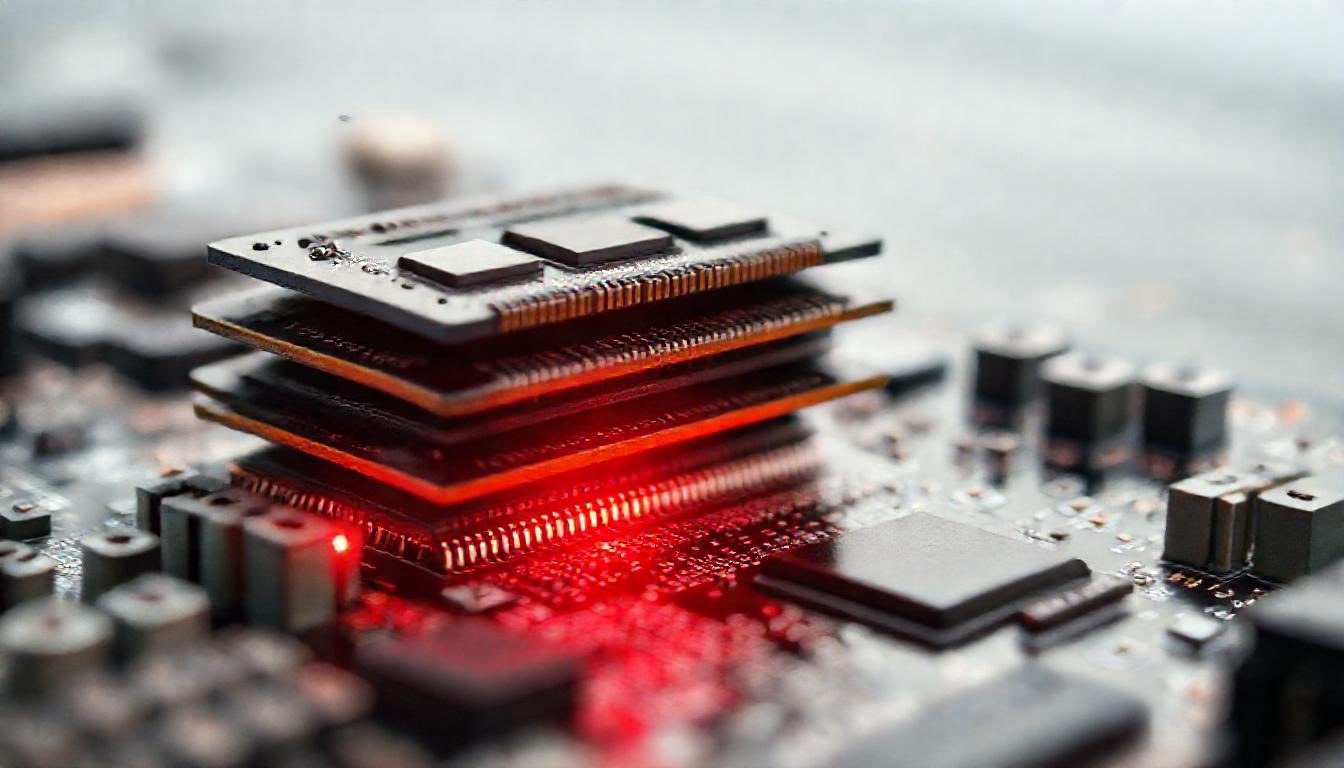
As edge AI scales, memory choice dictates cost and power efficiency. LPDDR5X and GDDR7 serve distinct roles in the semiconductor supply chain.
With GPU shelf lives shortening, U.S. investors must rethink how they value AI infrastructure assets. The risk is stark.
As account balances grow, the 1099-SA form becomes a critical document for high earners using Health Savings Accounts as retirement vehicles. This guide breaks down reporting nuances and investment strategies.
As the Federal AI Act rolls out, a certification vacuum leaves U.S. robotics firms vulnerable. Investors must watch for liability cliffs in Q4 2026.
As Bitcoin ETF options mature in 2026, U.S. investors gain precise control over crypto exposure. This guide breaks down strategies and risks.
As AI infrastructure saturates the market, rigid contract terms become financial liabilities. This analysis explores how the neocloud capacity clause drives hardware depreciation risks for U.S. investors.
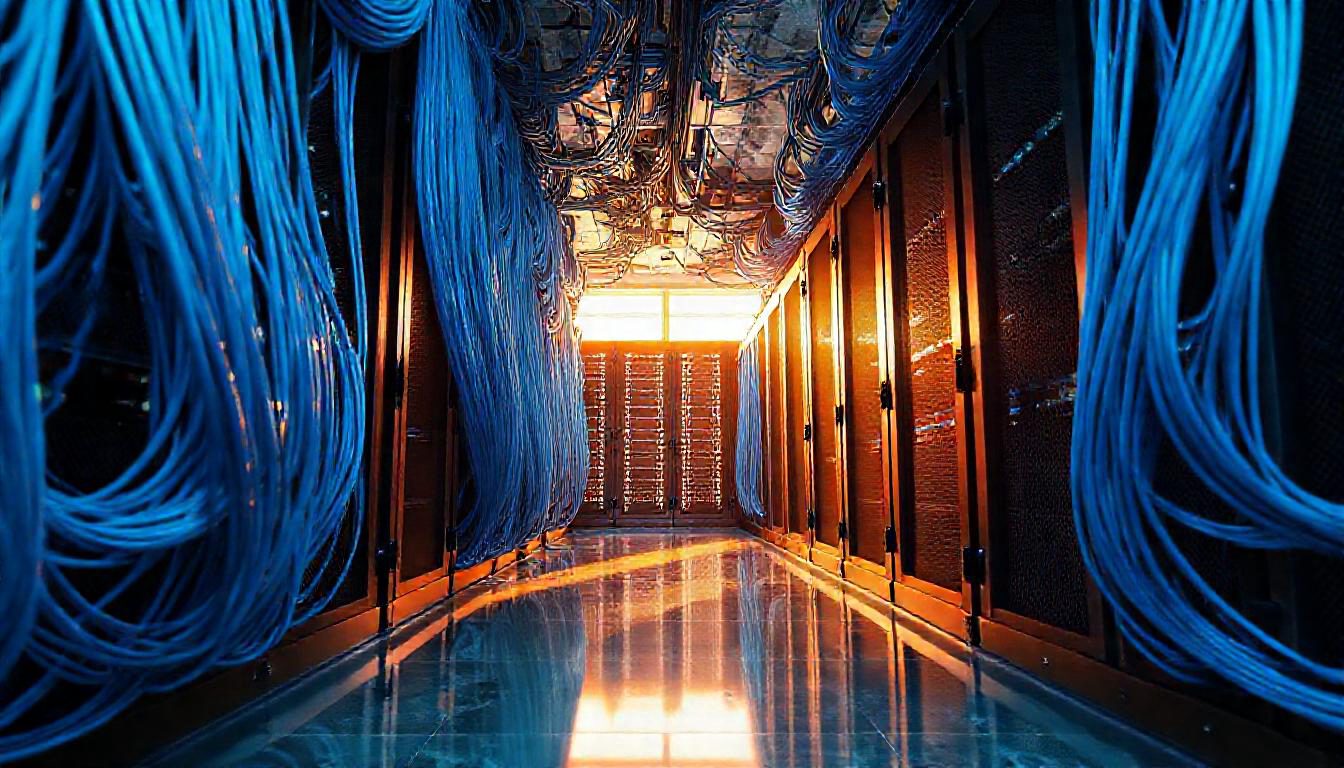
Neocloud interconnects are becoming the bottleneck for AI scaling. Investors must assess networking hardware efficiency to ensure compute utilization.
With tax rules shifting, the choice between Roth and Traditional IRAs is critical. Here’s how to decide which vehicle best suits your 2026 financial outlook.
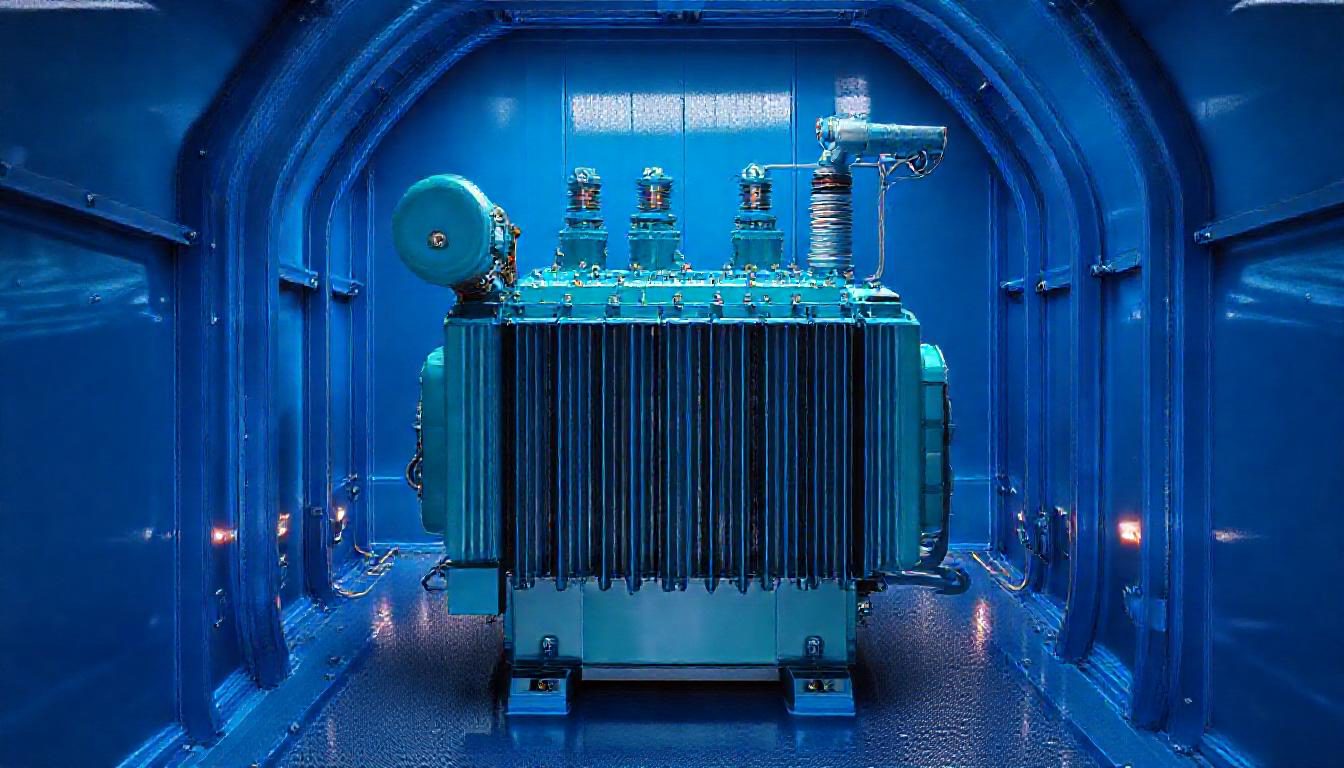
Power availability has become the primary bottleneck for AI infrastructure. Here is why US investors must prioritize energy access over raw chip count.
As AI rack density explodes, air cooling hits its physical limits. This guide analyzes how liquid cooling is reshaping capital allocation for U.S. data centers.
We use cookies to keep the site running, remember your preferences and measure audience anonymously. You can accept all cookies or only the strictly necessary ones. Cookie policy