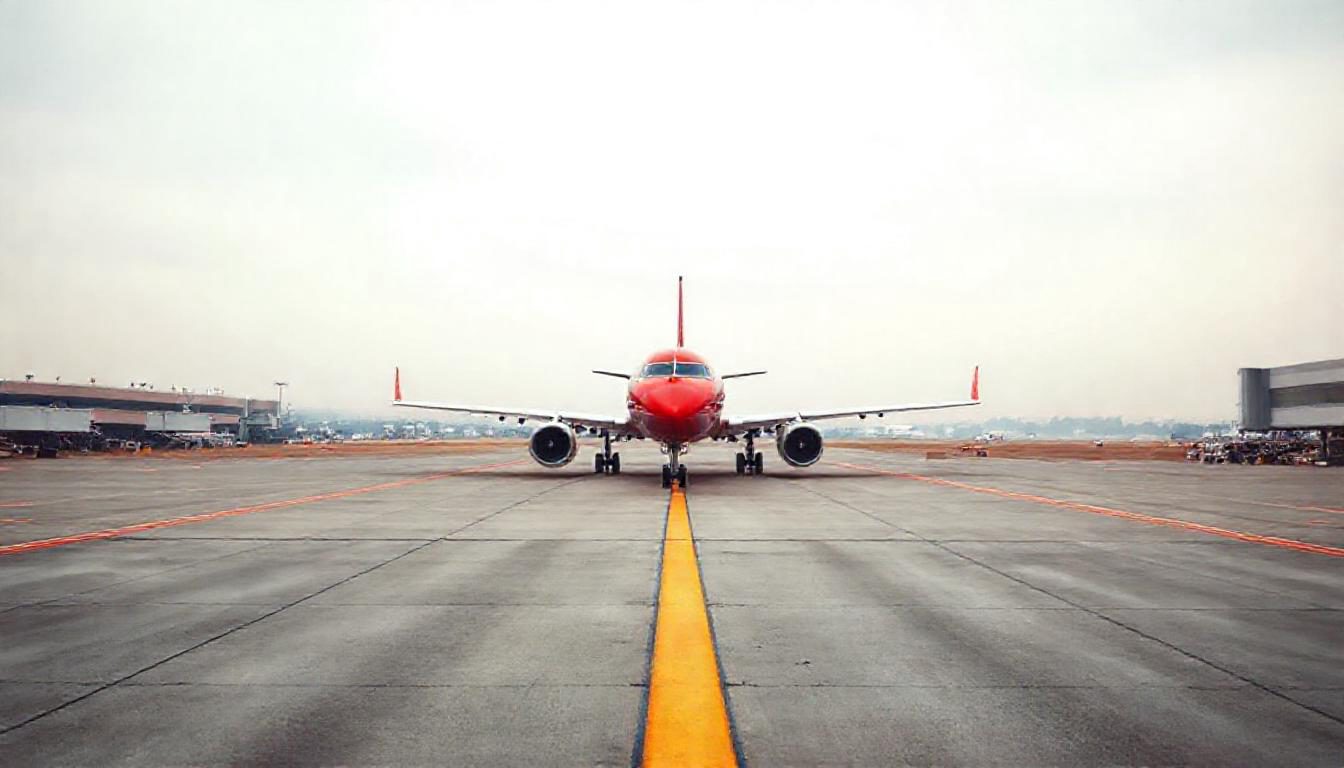
The era of cheap transatlantic flights is collapsing under the weight of geopolitical instability. Norse Atlantic, once a darling of the budget travel sector with its $99 tickets, now faces an existential crisis. The airline is fighting to avoid becoming the second major casualty of the 2026 aviation market, a stark warning for U.S. investors and corporate travelers alike. The primary culprit is the sharp rise in airline fuel costs, driven by renewed conflict in Iran and broader Middle East tensions. For American businesses, this shift means higher travel expenses and a consolidation of the ultra-low-cost carrier (ULCC) segment. The long-term implications for U.S. air travel economics are profound, signaling a potential end to the rock-bottom fare pricing that filled planes post-pandemic.
Why Geopolitics Drives Airline Fuel Costs
Jet fuel is not just another operating expense; it is the single largest variable cost for any airline, typically accounting for 25% to 35% of total operating expenses. The current spike is directly linked to supply chain disruptions and risk premiums in oil markets following the escalation of hostilities in Iran. While the U.S. economy remains relatively resilient, the aviation sector is hypersensitive to energy price shocks. For budget carriers, which operate on razor-thin margins to offer competitive fares, there is no buffer. Unlike legacy carriers such as Delta or United, which can absorb short-term fuel spikes through ancillary revenue and premium seat classes, low-cost models rely on volume and efficiency. When fuel prices jump, these airlines must either absorb the cost, eroding profitability, or pass it to consumers, destroying the value proposition that attracted them in the first place.
“Ultra-low-cost carriers operate with no financial cushion. A ten percent rise in jet fuel can wipe out an entire quarter’s profit if not hedged correctly.”
The situation is exacerbated by the inelastic nature of air travel demand for leisure customers. While business travel is essential, leisure travelers are price-sensitive. If $99 flights become $300, demand evaporates quickly. This dynamic creates a death spiral for carriers that cannot maintain scale. For U.S. investors, the lesson is clear: airline stocks, particularly in the ULCC segment, are now high-risk bets largely dependent on stable energy markets rather than operational innovation.
The Fragility of the Low-Cost Model
Norse Atlantic’s struggles highlight a critical vulnerability in the post-pandemic travel economy. The company’s aggressive pricing strategy was built on a bet that fuel costs would remain stable and demand would continue its rapid recovery. Both assumptions have failed. The model itself is flawed for long-haul routes when energy prices are volatile. Budget airlines typically use older, less fuel-efficient aircraft to keep capital expenditures low. However, this strategy backfires when fuel costs soar, as the marginal cost per mile increases significantly.
In the United States, companies like Spirit Airlines and Frontier have faced similar pressures, though they benefit from domestic route structures that are less exposed to the specific transatlantic volatility seen in Europe. However, the trend is universal. The consolidation of the U.S. aviation market, driven by the failed JetBlue-Northeast merger attempts and subsequent asset sales, has reduced competition. This lack of competitive pressure allows legacy carriers to maintain higher yields, but it also means that if a major budget player fails, the remaining carriers may not have enough capacity to absorb displaced demand without significant fare hikes.
For corporate CFOs, this means budgeting for travel must now include a much wider variance range. The assumption that travel costs will remain flat or decline slightly is no longer valid. Companies should review their travel policies and consider negotiating fixed-rate contracts with third-party travel management companies to hedge against spot market volatility.
Read also: Interest Rate Impact on Small Business Equity Pricing · The Rising ‘Expatriate Exodus’ of U.S. Entrepreneurs
Impact on U.S. Travelers and Businesses
The ripple effects of rising airline fuel costs extend far beyond the balance sheets of airlines. For American businesses, travel is a critical component of operational expenditure. Higher fares directly impact bottom lines, particularly for mid-market companies that rely on frequent transatlantic travel for sales and partnerships. The cost of doing business is effectively increasing for any sector with a global footprint.
Consider the following impacts on corporate travel budgets:
- Increased Ticket Prices: Base fares are rising, but the more significant hit is often in change fees and premium add-ons, which are less regulated.
- Reduced Frequency: Companies may limit non-essential travel, reverting to virtual meetings, which can impact relationship building and sales velocity.
- Policy Tightening: Travel departments will likely impose stricter approval processes for transatlantic trips, focusing on high-value deals only.
Consumers are also feeling the pinch. The “revenge travel” boom of the early 2020s is slowing as price sensitivity returns. Airlines are cutting capacity on unprofitable routes, leading to fewer options for direct flights. This forces travelers to use connecting flights, increasing time away from work and personal lives. For the U.S. economy, this reduction in mobility can dampen consumer confidence and spending, as travel is often a leading indicator of discretionary income usage.
Key Takeaways
- Geopolitical Risk is Real: The conflict in Iran is not just a foreign policy issue; it is a direct driver of U.S. corporate travel costs via jet fuel prices.
- ULCCs Are Vulnerable: Budget airlines like Norse Atlantic lack the financial reserves to absorb prolonged spikes in airline fuel costs, risking further industry consolidation.
- Corporate Budgets Need Hedging: U.S. companies must update travel budgets to reflect higher volatility and consider fixed-rate contracts for airfare.
- Legacy Carriers Benefit: As budget competitors struggle, major airlines may gain pricing power, potentially leading to sustained higher fares for the next two to three years.
Based on reporting by businessinsider.com.
FAQ
Why are budget airlines struggling more than major carriers?
Budget airlines operate on significantly thinner profit margins and rely heavily on high load factors to break even. Unlike legacy carriers, they have fewer premium revenue streams to offset rising airline fuel costs, making them hypersensitive to energy price spikes.
How will this affect U.S. business travel budgets in 2027?
U.S. companies should expect sustained higher fares for transatlantic routes. The consolidation of budget carriers may reduce competitive pricing pressure, leading to a gradual increase in average ticket prices for all fare classes.
Is the collapse of Norse Atlantic a sign of broader industry failure?
Not necessarily. It highlights the specific risks of the ultra-low-cost long-haul model in a high-inflation, high-energy-cost environment. Legacy carriers with stronger balance sheets and diversified revenue streams are better positioned to weather these cycles.




Comments (1)