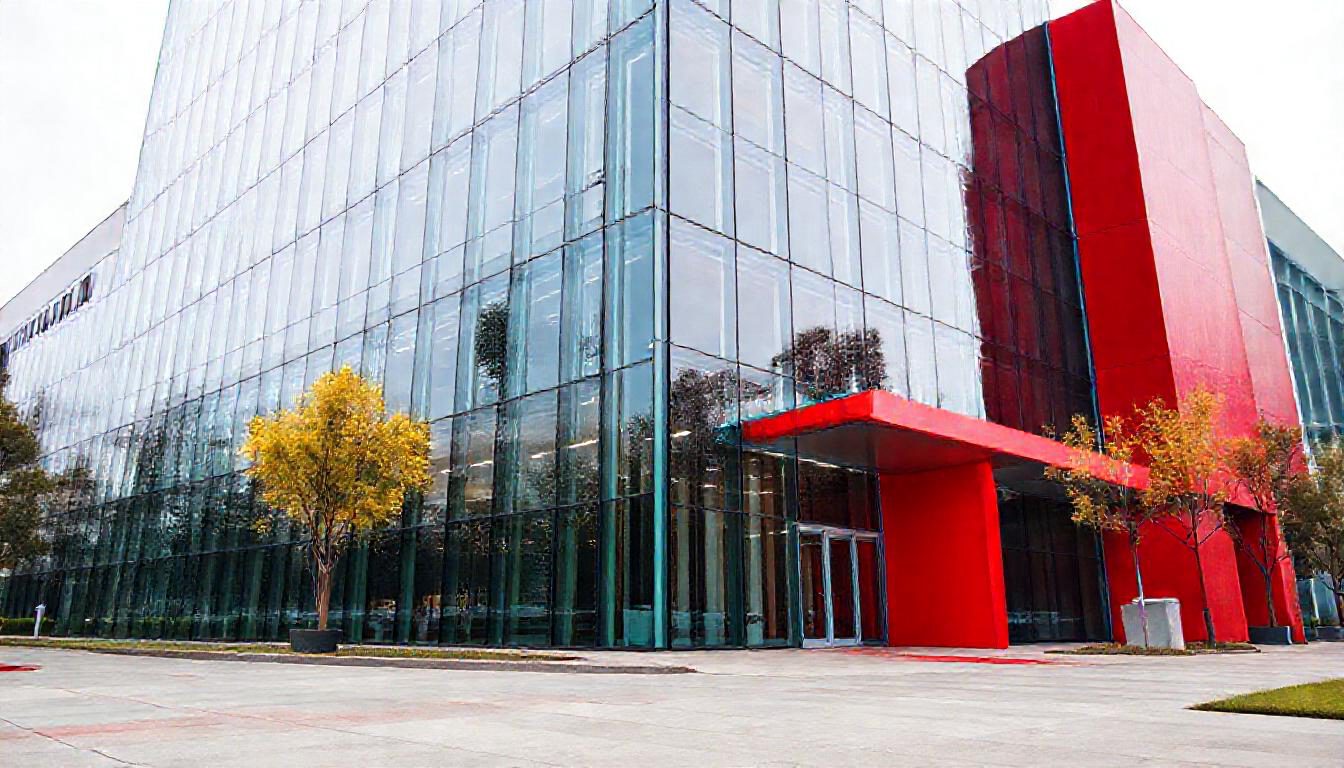
The traditional office lease is dying, but something more complex is taking its place. A new class of startup is trading cash rent for corporate ownership stakes. This shift toward coworking equity is transforming how companies structure their physical footprint and manage capital efficiency in 2026.
Why Founders Choose Coworking Equity
For years, startups viewed office space purely as an overhead expense. That logic has collapsed. With Series B funding rounds tighter than in 2024, founders are scrutinizing every line item. By negotiating equity deals with major workspace providers, companies can reduce cash burn significantly. Instead of paying $15,000 monthly in fixed rent, a startup might pay 5% less in cash and offer 0.5% in common stock. This preserves runway, a metric investors watch closely.
This model appeals to two distinct groups. First are capital-efficient tech companies in cities like Austin and Miami, where real estate costs remain high relative to ticket sizes. Second are companies with strong brand equity, such as consumer hardware brands, where housing their team in a premium location provides marketing value that justifies the paperwork.
The Risks of Diluted Cap Tables
However, this strategy carries hidden costs. Adding a commercial landlord to the cap table complicates future fundraising. Venture capitalists prefer clean capital structures. Every time a Series A investor sees a non-strategic shareholder, they question the founder’s discipline. If the workspace provider is a private entity, due diligence becomes a nightmare. VCs need to understand the exact terms of the equity grant, including buyback clauses and transfer restrictions.
Key risks include:
- Valuation conflicts: If the startup is acquired, the landlord may claim a share of the proceeds, creating friction during closing.
- Administrative burden: Section 409A valuations must now account for the specific terms of the landlord’s equity, increasing legal fees.
- Strategic misalignment: A landlord is a passive investor, but they hold voting rights unless explicitly waived, which can stall corporate governance decisions.

How to Structure the Deal
Smart founders are avoiding standard equity grants. Instead, they are using phantom stock or profit-sharing agreements tied to building performance. This keeps the actual cap table clean. The landlord gets economic upside without the voting rights or approval hurdles that scare off venture capital.
Another emerging trend is the use of SAFEs (Simple Agreements for Future Equity) for workspace providers. This delays the valuation event until a priced round, aligning the landlord’s incentives with the startup’s growth. It also standardizes the legal documentation to formats investors already recognize and accept.
Who Benefits Most?
The winners in this ecosystem are the hybrid operators. Companies like WeWork’s successors are not just selling space; they are becoming asset-light venture arms. They get a portfolio of equity stakes across millions of square feet, hedging their real estate exposure against tech sector returns. For founders, the benefit is liquidity preservation. But it requires rigorous legal structuring to ensure the landlord does not become a bottleneck during a future exit.
“Treating real estate as a balance sheet item rather than a cash flow expense is the biggest shift in startup operations we’ve seen this decade,” says a Bay Area VC associate.
Read also: Y Combinator Startups vs Independent Founders: Who Wins? · Coworking Growth Faces New Reality in 2026
For official data and guidance on this topic, see U.S. Small Business Administration.
Key Takeaways
- Cash preservation remains the top priority for startups in late 2026.
- Equity deals for space require complex legal navigation to avoid cap table pollution.
- Phantom stock and SAFEs are preferred structures to keep voting rights separate from economic interest.
- Investors are skeptical of non-financial shareholders; founders must explain the strategic rationale clearly in pitch decks.
As the line between real estate and tech investment blurs, the smartest founders are creating new asset classes for themselves. They aren’t just building products; they are engineering their cost structures to survive a longer, slower funding cycle. The coworking equity model isn’t just a rent hack; it is a fundamental rethinking of what it means to own a company in a high-cost era.




Comments (4)