
For years, the prevailing wisdom in enterprise technology was clear: outsource the heavy lifting to the cloud. Centralized data centers owned by hyperscalers were deemed the only viable path to high-performance computing, particularly for artificial intelligence workloads. That consensus is cracking. As Apple silicon matures and open-weight models become more accessible, a significant shift is occurring in Enterprise AI hardware strategy. The notion that sensitive data must leave the firewall to be processed is no longer a technical necessity, but a legacy habit.
Why Enterprise AI hardware drives local compute
The primary driver behind this shift is the convergence of powerful consumer-grade silicon and optimized software frameworks. Historically, running large language models required rack-mounted servers with expensive GPU clusters. Today, unified memory architectures allow high-end laptops and desktops to handle tasks previously reserved for server farms. This democratization of compute power means smaller teams can achieve robust AI capabilities without massive capital expenditures.
Key factors fueling this trend include:
- Privacy and Compliance: Processing data locally ensures sensitive information never traverses public networks, simplifying adherence to strict U.S. data protection regulations.
- Cost Efficiency: Eliminating recurring cloud subscription fees for inference reduces long-term operational expenses.
- Latency Reduction: Local execution removes network round-trips, enabling real-time responses for critical applications.
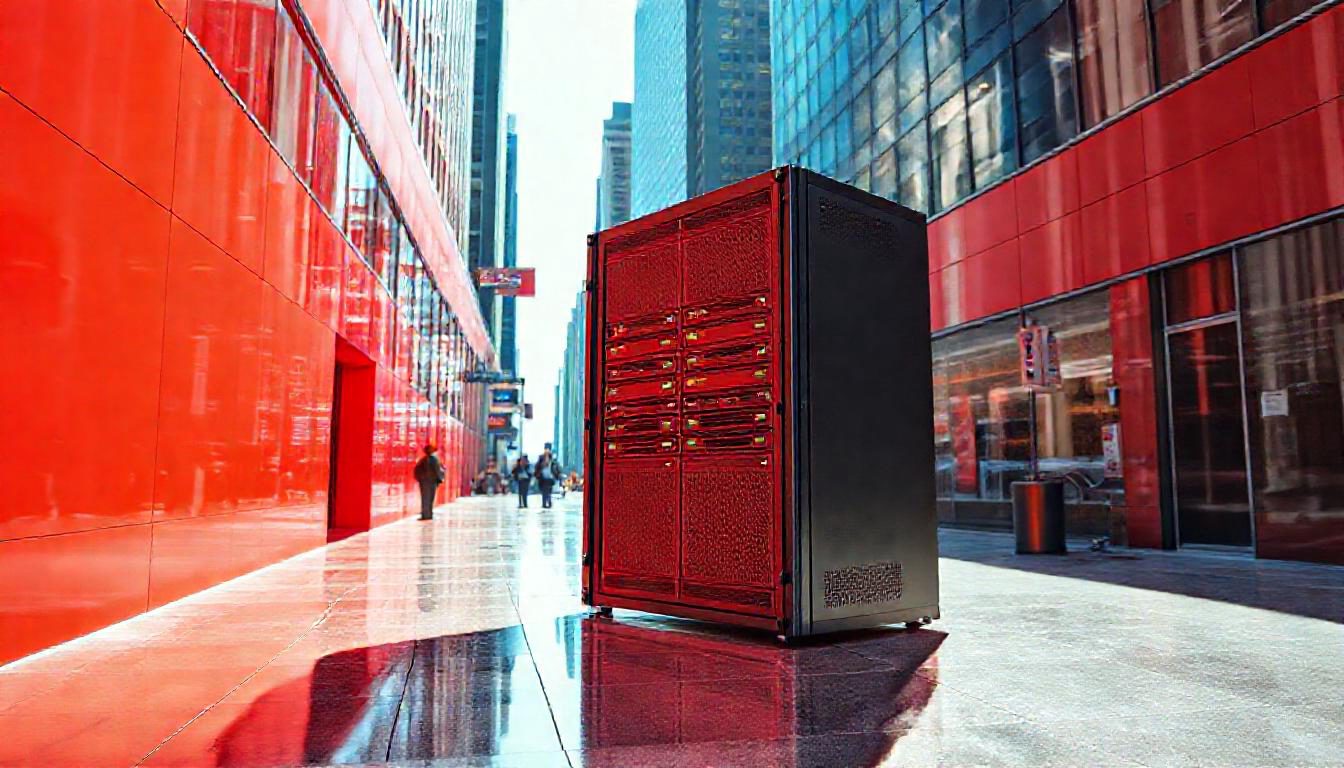
The decline of the traditional server rack
To understand the magnitude of this change, consider the trajectory of enterprise server hardware. For decades, the dominant model involved stacking blade servers in data centers. These systems, while powerful, suffered from high energy consumption and maintenance overhead.
| Metric | Traditional Cloud AI | Local Apple Silicon |
|---|---|---|
| Upfront Cost | Low (OpEx) | High (CapEx) |
| Ongoing Cost | High (Subscription) | Low (Electricity) |
| Data Privacy | Shared Infrastructure | Dedicated Hardware |
| Scalability | Elastic | Fixed per Device |
The table above highlights the trade-offs. While cloud solutions offer elasticity, the fixed nature of local hardware is becoming desirable for predictable workloads. Companies are realizing that for many internal AI tools, elasticity is a feature they rarely use but pay for constantly.
Read also: Enterprise SSD Selection Guide for High-Performance AI Storage · Neocloud Capacity Clause: The Hidden Risk in AI Hardware Investments
What this means for IT investors
For venture capitalists and enterprise buyers, this shift signals a move away from pure-play cloud infrastructure startups toward hardware-enabled software solutions. The market is rewarding companies that can bundle local compute with streamlined deployment tools. Investors should look for platforms that simplify the management of fluctuating local AI nodes, much like traditional MDM solutions managed mobile devices. The opportunity lies not in building larger data centers, but in optimizing the decentralized fleet of high-performance endpoints.
Based on reporting by 9to5mac.com.
Key Takeaways
- Apple silicon and optimized software are enabling viable, high-performance local AI computing.
- Enterprises are reassessing cloud dependency due to privacy concerns and cost structures.
- Investment opportunities are shifting toward solutions that manage decentralized hardware fleets.
- Traditional server racks face competition from powerful, energy-efficient desktop alternatives.


Comments (3)