The narrative of artificial intelligence infrastructure has shifted. For years, the primary constraint on scaling compute capacity was the supply of high-end accelerators. In mid-2026, that dynamic has inverted. The critical bottleneck for AI hardware investment is no longer silicon availability, but electrical power. Utility grids across major US hubs are hitting saturation points, forcing investors to reconsider how they value digital real estate. This shift demands a new due diligence framework, where megawatt access is priced higher than server count, effectively creating a new era of neocloud power gating.
Grid Saturation in Key Hubs
Northern Virginia, the world’s largest data center market, faces severe interconnection delays. New projects often wait three to five years for utility approval. This timeline mismatch disrupts the rapid depreciation cycles typical of tech hardware. Investors who deployed capital based on 2023 assumptions of immediate power access now face stranded assets. The result is a bifurcated market: established facilities with locked-in power agreements command premium valuations, while greenfield projects struggle to secure financing due to regulatory uncertainty. The US Federal Energy Regulatory Commission has begun addressing interstate transmission bottlenecks, but local permitting remains a significant hurdle for neocloud power gating.
Neocloud Power Gating as Competitive Moat
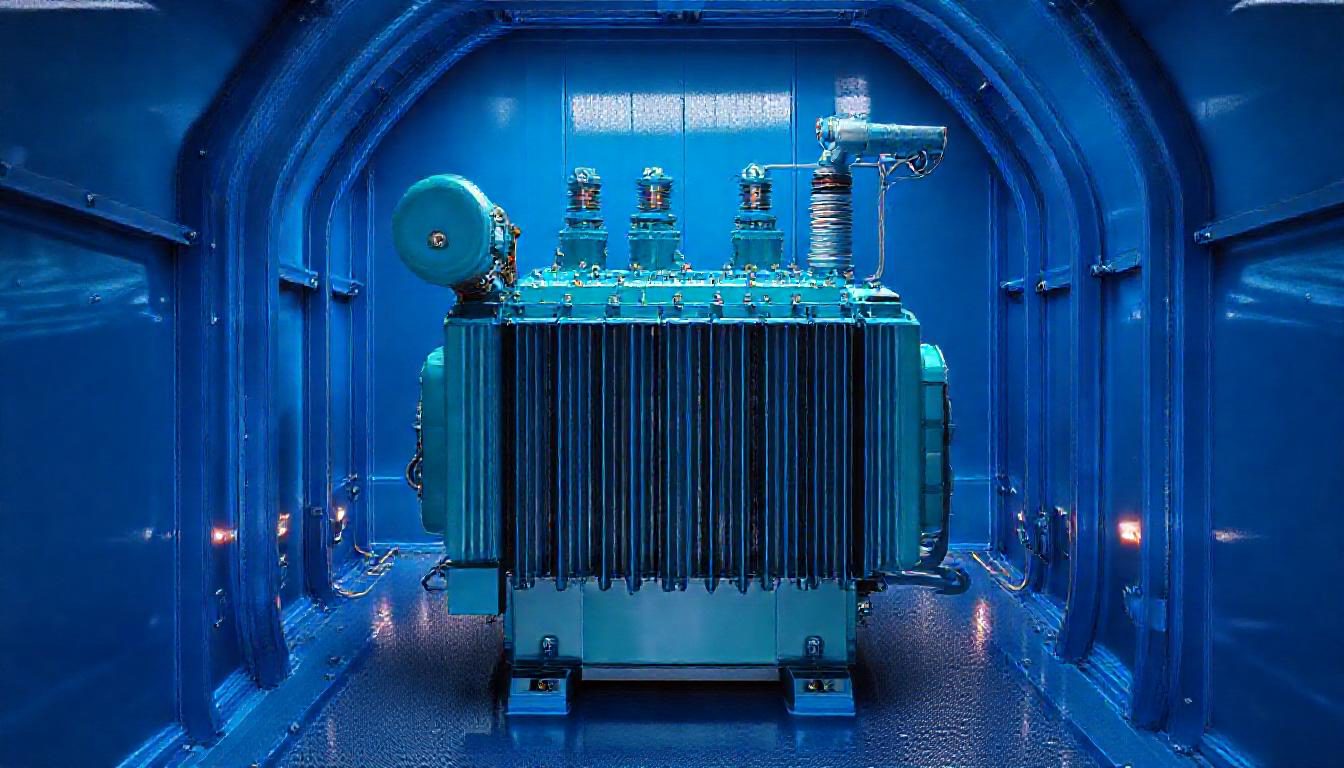
Top-tier operators are no longer just renting space; they are becoming energy managers. The integration of on-site generation and battery storage is now a standard requirement for new builds. This trend favors capital-intensive players like hyperscalers and specialized neoclouds that can absorb the upfront costs of private substations and natural gas turbines. For mid-market investors, this creates a barrier to entry. Without the ability to self-generate or secure firm power contracts, small-to-medium data center operators risk obsolescence. The value proposition of AI hardware investment now hinges on the reliability of the energy supply chain, not just the performance of the chips housed within it, defining the scope of neocloud power gating.
Read also: NAND Endurance Metrics: Investing in High-Density AI Storage · Neocloud Asset Life: Investing Impact of Silicon Depreciation
AI hardware investment and US tech infrastructure
The shift toward power-centric infrastructure favors regions with cheaper, abundant electricity. Texas and the Southeast are gaining ground against traditional hubs, driven by favorable energy mixes and faster permitting. This geographic rebalancing impacts everything from land acquisition costs to long-term operational expenses. Companies that anchor their growth to regions with surplus generation capacity, such as those leveraging small modular reactors or massive renewable arrays, position themselves for sustainable scaling. Conversely, facilities in congested grids face rising energy costs and potential curtailment risks, illustrating the challenges of neocloud power gating.
Key Strategic Adjustments
- Prioritize Interconnection Status: Assess the legal and regulatory standing of power agreements before evaluating server hardware.
- Evaluate Self-Generation Capabilities: Look for operators with viable paths to on-site generation or grid-scale storage integration.
- Monitor Regional Policy: Track state-level energy mandates and utility commission decisions that affect long-term power costs and availability.
For official data and guidance on this topic, see Semiconductor Industry Association.
Key Takeaways
- Power access is now the primary constraint for AI Hardware Investment, surpassing chip supply.
- Grid saturation in major hubs like Northern Virginia creates significant interconnection delays.
- Investors must shift due diligence to prioritize energy reliability and self-generation strategies.
- Geographic rebalancing favors regions with abundant, cheap electricity like Texas and the Southeast.
- Long-term value depends on securing firm power contracts, not just acquiring hardware, highlighting the importance of neocloud power gating.


Comments (4)