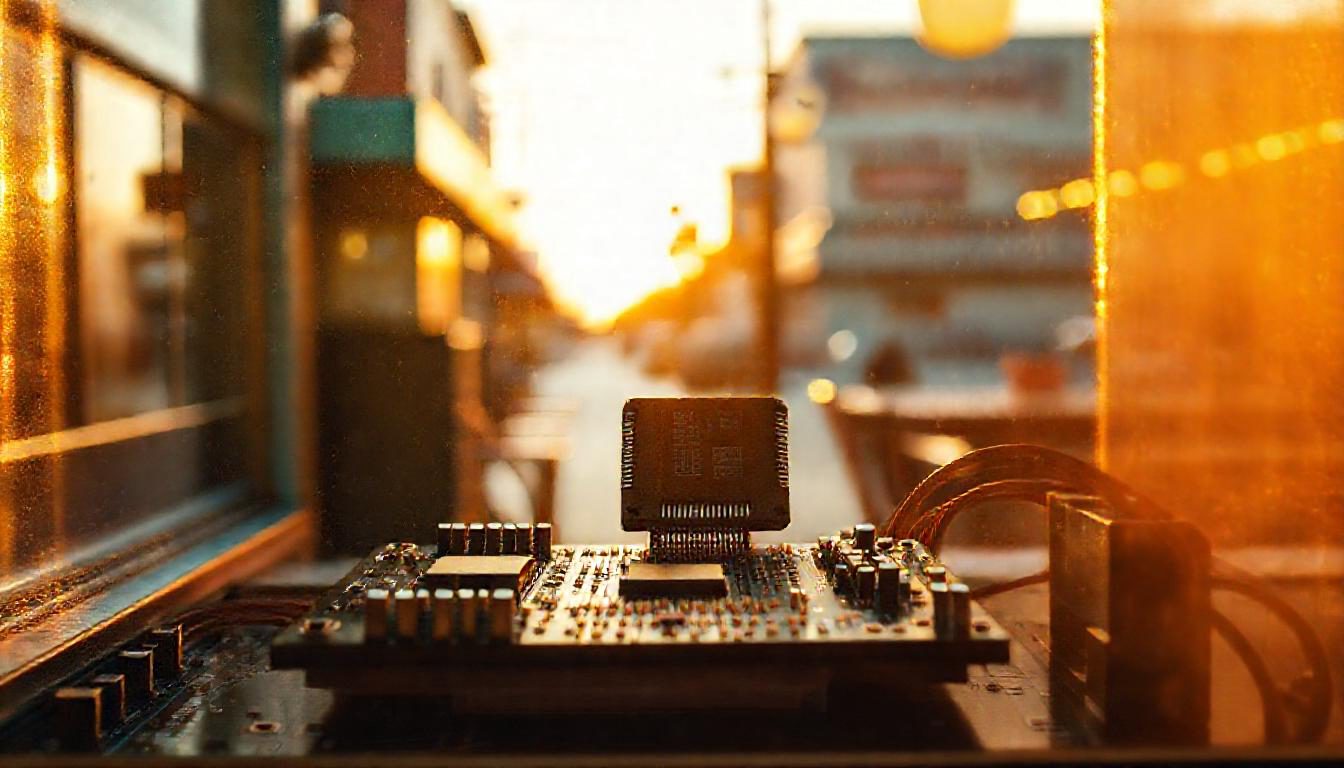
The relentless scaling of artificial intelligence clusters has hit a physical wall. While silicon process nodes shrink, the energy required to move data between chips grows exponentially. Enter Co-Packaged Optics (CPO), a hardware architecture shift moving optical engines from pluggable transceivers directly onto the switch or accelerator package. For American infrastructure investors and data center operators, understanding CPO Power Efficiency is no longer optional—it is the key to unlocking the next tier of AI compute density.
Why Pluggable Optics Hit a Wall vs. Co-Packaged Optics
Traditional data centers rely on pluggable optical transceivers, such as QSFP-DD or OSFP modules, inserted into switch faceplates. As speeds migrate from 800G to 1.6 Tbps, the electrical trace length between the chip and the module becomes a bottleneck. Longer traces require more power for signal conditioning, and the physical space for modules limits the number of ports per rack unit.
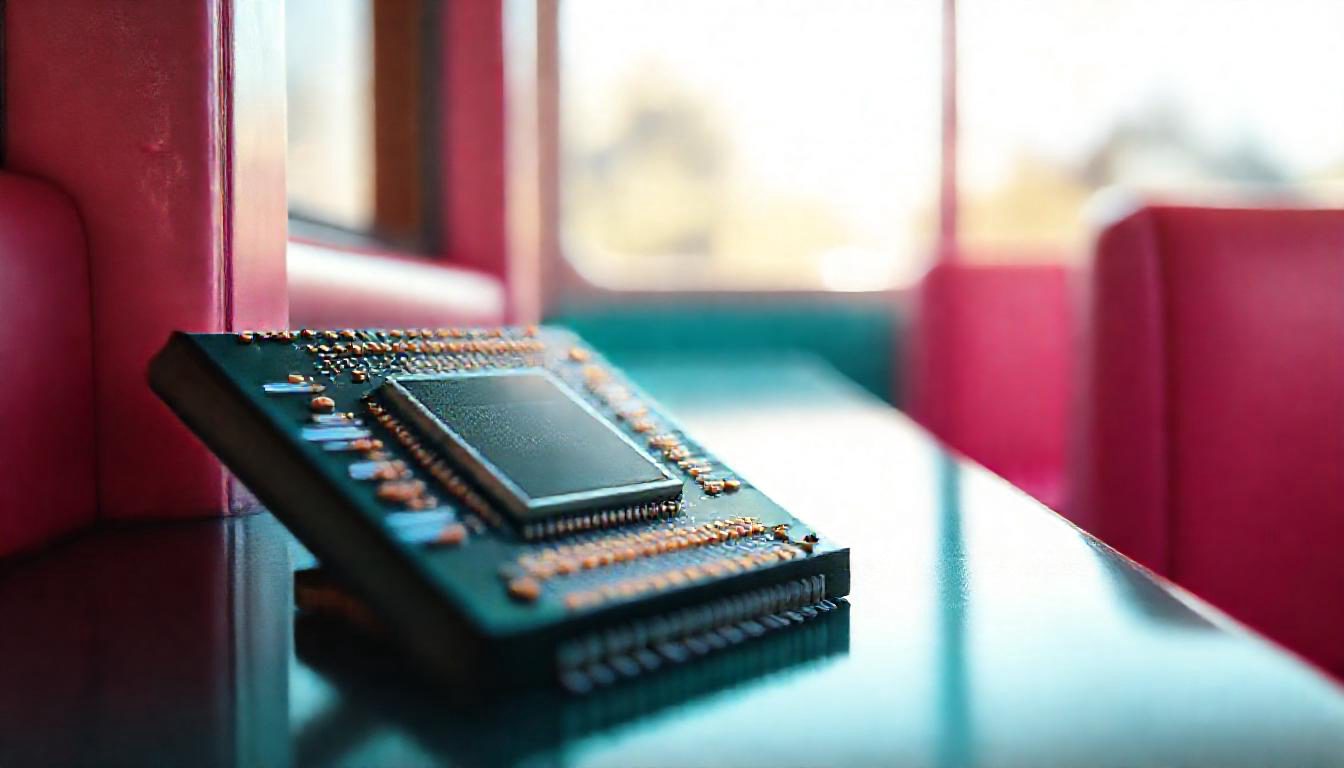
By July 2026, hyperscalers and neocloud providers are facing power density challenges that pluggable optics simply cannot solve. The energy cost per bit transmitted via copper traces increases sharply at higher frequencies. CPO addresses this by integrating the optical engine directly with the application-specific integrated circuit (ASIC) or GPU package, drastically shortening the electrical path.
The CPO Power Efficiency Impact
The primary driver for CPO adoption is power. Industry estimates suggest CPO can reduce optical interconnect power consumption by 30% to 50% compared to traditional pluggable solutions at similar data rates. For a large-scale AI training cluster consuming hundreds of megawatts, this translates to significant operational expenditure savings. Lower power draw also reduces the thermal load on cooling systems, allowing for higher rack densities without exceeding facility power limits.
However, the transition is not seamless. The manufacturing yield of co-packaged components is lower because if the optical engine fails, the entire expensive ASIC package is scrapped. This introduces a new risk profile for hardware investors.
Key Technical Shifts in 2026 Hardware
- Integration Complexity: Optical components are now part of the main board assembly, requiring new testing methodologies.
- Vendor Lock-In: CPO ties the optics vendor closely to the switch or GPU manufacturer, reducing the flexibility to mix and match components.
- Thermal Management: Optical components are sensitive to heat, demanding advanced chiplet-level cooling solutions.
Read also: Data Center Hardware Trends: Mastering the Liquid Cooling Shift · Neocloud Capacity Clause: Why Investing in AI Hardware Fails Without Power
Implications for U.S. Infrastructure Investors
For U.S. capital markets, CPO represents a bifurcation in the data center hardware supply chain. Traditional transceiver manufacturers face a long-term structural decline in high-end ports, while semiconductor firms with advanced packaging capabilities (such as TSMC’s CoWoS or Intel’s EMIB) see expanded revenue opportunities.
Investors should monitor the adoption rates among top-tier U.S. cloud providers. While the technology is promising, the ecosystem maturity remains a hurdle. The reliability of liquid-cooled optical engines and the standardization of interfaces are still evolving. If CPO becomes the standard for next-gen AI clusters, the value will consolidate among a few giants capable of mastering advanced packaging, potentially squeezing out smaller component suppliers.
For official data and guidance on this topic, see IEEE Spectrum.
Key Takeaways
- CPO solves the power and density bottlenecks of 800G and 1.6T networking.
- It offers 30-50% CPO Power Efficiency savings for optical interconnects compared to pluggables.
- The shift increases manufacturing complexity and vendor lock-in risks.
- U.S. investors should watch advanced packaging leaders over traditional transceiver makers.
- Adoption will be gradual, starting with hyperscale AI clusters before enterprise mainstream.

Comments (1)