The most critical constraint on AI hardware investment in 2026 is not silicon supply—it is electricity. The era of buying GPUs the moment they ship is over. Today, companies that own the AI data center power infrastructure are the ones getting full deliveries, while those that do not face indefinite waits. The 2026 market punishes the power-poor regardless of their cash reserves.
How AI Data Center Power Demand Exceeds Grid Capacity
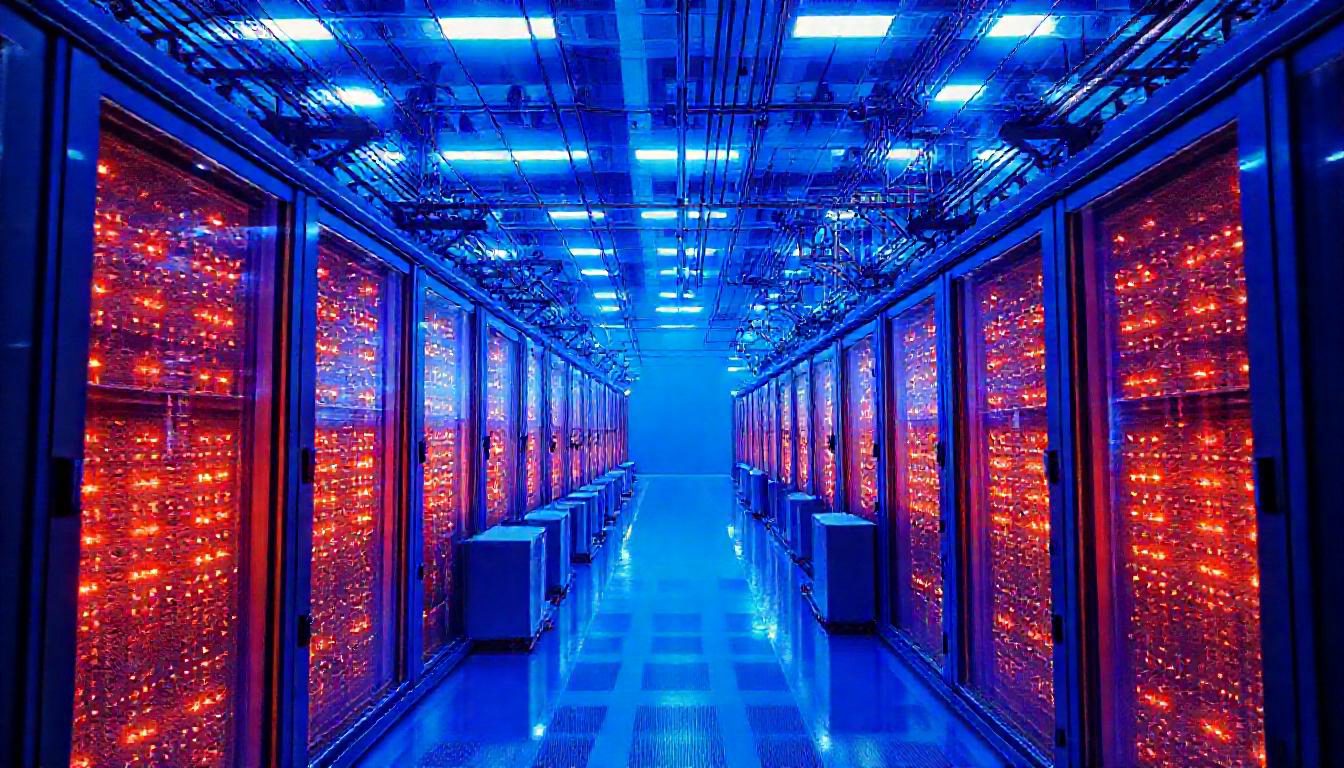
The Federal Energy Regulatory Commission estimates U.S. data center energy usage will double by 2030, but the immediate crunch is happening now. Current grid capacity in major tech corridors is already stretched to 98% utilization. Large language models require unprecedented power density. A single rack of the latest H100-class or Blackwell-class chips requires 120 kilowatts, compared to the 10–15 kilowatts of a traditional server. This 10x jump in density breaks legacy infrastructure.
Power constraints affect everyone:
- Developers cannot scale training runs if they lack guaranteed power.
- Suppliers cannot ship chips to sites that cannot energize them.
- Investors face stranded assets if hardware sits idle without electricity.
“Securing a 50-megawatt hookup has become the single most important milestone for any AI startup.”
The Chip Delay Shifts to Infrastructure Wait
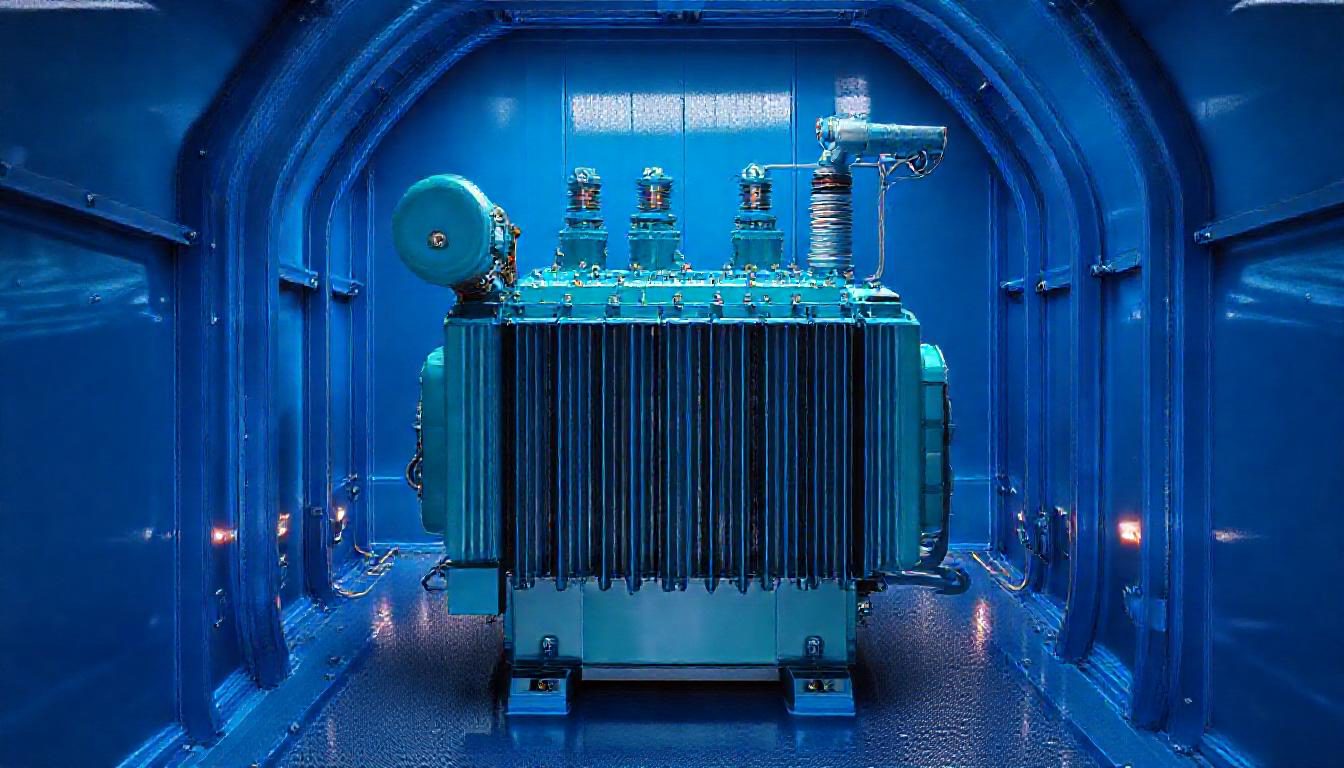
Historically, the primary barrier to AI hardware investment was TSMC and Nvidia production cycles. Today, those bottlenecks have eased. Silicon supply chains are robust. The new bottleneck is the time it takes to connect a facility to high-voltage transmission lines. In many cases, this takes 18 to 36 months due to permitting and transformer shortages. The wait for chips is measured in weeks; the wait for AI data center power is measured in years.
Read also: Neocloud Power Gating: Why Energy Access Beats Chip Counts · Neocloud Capacity Clause: Power Grid Limits Hit AI Hardware
Where Power Unlocks AI Hardware Investment
The most promising investments in 2026 are not in chip design, but in power management and distribution. Utility-scale battery storage and on-site power generation are becoming standard requirements for hyperscale data centers. Companies that can deliver “power-ready” sites command a premium of 30–50% over standard real estate. This infrastructure readiness is the new moat.
For official data and guidance on this topic, see Semiconductor Industry Association.
Key Takeaways
- Silicon is abundant: Chip supply is no longer the primary constraint on AI hardware investment.
- Grids are saturated: Access to high-voltage AI data center power lines takes years, not months, creating a bottleneck.
- Thermal limits matter: Power density requirements for the latest chips exceed the capacity of most legacy data centers.
- Infrastructure is the asset: Real estate with secured, high-capacity power connections is the most valuable commodity in tech today.
Comments (0)
No comments yet. Be the first to share your view.