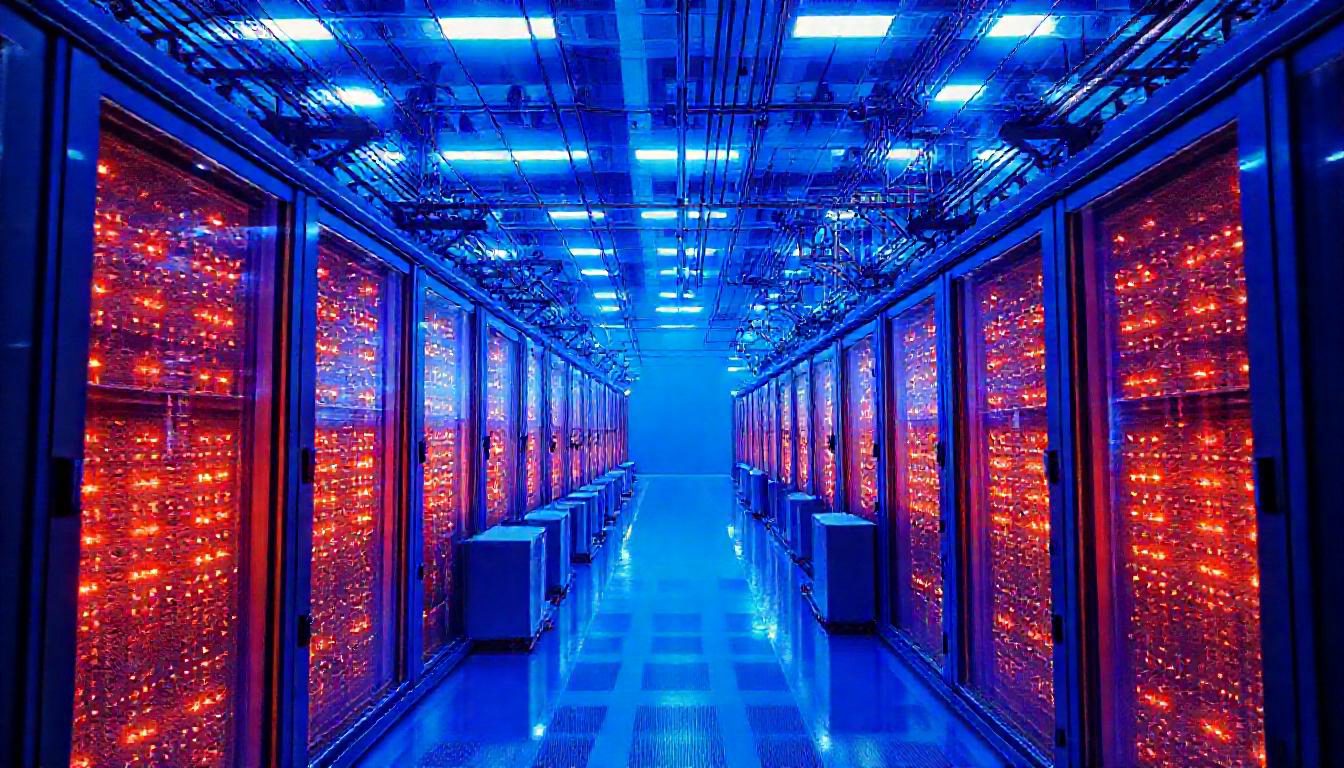
For the last three years, the primary constraint on artificial intelligence growth was silicon. Investors scrambled to secure Nvidia GPUs, and companies fought over access to H100 and Blackwell chips. But in mid-2026, the conversation has shifted. The limiting factor is no longer how many accelerators you can buy, but where you can plug them in. This reality has given rise to neocloud power clauses, a contractual and strategic pivot that is redefining how capital flows into AI hardware.
Neocloud power clauses refer to the stipulations in infrastructure agreements that tie hardware deployment strictly to verified, long-term power availability. Unlike traditional cloud providers who owned massive, grandfathered data centers, neoclouds operate in a fragmented market. They must prove that their facilities can draw megawatts of electricity without destabilizing local grids or facing regulatory shutdowns. For American entrepreneurs and investors, understanding this clause is essential because it signals that the AI boom has entered its energy-intensive phase. The era of “build it and they will come” is over; now, it is “plug it in, or it sits idle.”
Why Power Is the New Silicon Bottleneck
The transition from compute constraint to energy constraint is driven by the physics of modern AI training. Large language models require dense clusters of GPUs operating at maximum thermal design power. A single rack of high-end accelerators can draw over 100 kilowatts, a tenfold increase from legacy server racks. When multiplied across thousands of racks, a single neocloud facility can require the power output of a small town.
This demand has collided with the aging state of the U.S. electrical grid. Interconnection queues for new power generation and transmission lines in major tech hubs stretch back years. In regions like Northern Virginia, Texas, and Arizona, where data center density is highest, utilities are invoking force majeure clauses or delaying approvals for new high-voltage connections. Consequently, neocloud power clauses have emerged as a risk management tool. It ensures that investors are not funding hardware that cannot be energized. A GPU sitting in a warehouse because the substation is overloaded is a depreciating asset, not a revenue generator.

How Neocloud Power Clauses Work
Neocloud power clauses are not just a legal footnote; they are a structural change in how infrastructure is financed. Previously, cloud providers might lease space with a handshake on future power delivery. Today, the clause mandates that power capacity is secured, dedicated, and often verified by a third-party engineering audit before hardware purchases are finalized.
Key components of a typical capacity clause include:
- Dedicated Substation Access: The provider must demonstrate exclusive rights to a specific MW capacity from a utility or on-site generation source.
- PUE Guarantees: Power Usage Effectiveness metrics are contractually bound to ensure the facility can handle the thermal load without exceeding energy caps.
- Grid Stability Provisions: Mechanisms to shed load or switch to backup power if the regional grid fails, protecting the hardware from voltage spikes.
- Regulatory Compliance: Proof that the facility meets local zoning and environmental regulations regarding noise and emissions from backup generators.
For U.S. investors, this means due diligence has moved upstream. You are no longer just evaluating the technical merit of the chips; you are evaluating the energy portfolio of the facility.
“The GPU is the engine, but electricity is the fuel. In 2026, you can buy engines cheaper than you can buy fuel lines.”
Read also: Neocloud Capacity: Megawatts Over Chips for AI · Neocloud Consolidation: How Investing in AI Infrastructure Reshapes Risk
Impact on U.S. Data Center Geography
The strict enforcement of neocloud power clauses is reshaping the map of American tech infrastructure. Traditional hubs like Northern Virginia are becoming saturated. The waiting list for new power connections in Loudoun County can extend beyond four years. This has pushed capital toward regions with excess generation capacity or favorable regulatory environments.
States like Nebraska, Utah, and parts of Georgia are seeing a surge in neocloud development. These areas offer lower energy costs and faster grid connection timelines. However, this geographic shift introduces new risks for investors. Moving infrastructure to rural areas often requires significant private investment in transmission lines, which can balloon capital expenditures. Neocloud power clauses often include cost-sharing mechanisms for this infrastructure, meaning investors must be prepared for extended payback periods.
Furthermore, the concentration of data centers in these new hubs risks local grid instability. Utilities in these regions are beginning to impose stricter demand-response requirements. If a neocloud fails to meet these requirements, the capacity clause may trigger penalties or even contract termination, stranding huge investments in specialized hardware.
What This Means for Hardware Investors
For the tech and finance professional, the rise of neocloud power clauses suggests a divergence in hardware valuation. Not all AI infrastructure plays are created equal. Companies that own their power assets or have long-term, secured power purchase agreements (PPAs) are commanding higher multiples than those that rely on spot-market energy.
Strategic Implications for Portfolios
- Vertical Integration Wins: Look for neoclouds that are integrating energy generation into their business model. Companies investing in small modular reactors (SMRs) or large-scale solar-plus-storage are positioning themselves to bypass grid bottlenecks entirely.
- Hardware Agnosticism: The capacity clause favors providers who can flexibly deploy different types of hardware. If one chip architecture is power-inefficient, the provider must have the option to swap it out. Rigid contracts tied to a single chip vendor may become liabilities if energy costs spike.
- Regulatory Arbitrage: U.S. policy is offering incentives for domestic clean energy. Neoclouds leveraging tax credits to build their own power infrastructure are effectively subsidizing their operational costs, giving them a competitive edge under the capacity clause framework.
The bottom line is that hardware ROI is now inextricably linked to energy efficiency and availability. An investment thesis that ignores the power supply chain is incomplete.
Key Takeaways
- Neocloud power clauses tie hardware deployment to verified, long-term power availability, shifting the bottleneck from silicon to electricity.
- U.S. grid constraints and long interconnection queues are driving AI infrastructure to new geographic regions like Nebraska and Utah, increasing capex risks.
- Investors must prioritize neoclouds with secured power purchase agreements or on-site generation capabilities to avoid stranded assets.
- Regulatory compliance and grid stability are now core components of AI hardware due diligence, not just technical specifications.
For official data and guidance on this topic, see Semiconductor Industry Association.
FAQ
What is the main risk of ignoring neocloud power clauses?
The main risk is asset stranding. If a data center cannot secure enough power to run its GPU clusters, the hardware generates no revenue while still depreciating and incurring storage and maintenance costs.
Do all neoclouds use identical capacity clauses?
No. The specific terms vary based on the region’s utility regulations and the provider’s energy strategy. Some clauses focus on grid redundancy, while others prioritize cost caps on electricity rates.
How does this affect small AI startups buying cloud time?
Startups may face higher prices for compute as providers pass on the costs of securing energy. Additionally, availability may be more fragmented, with startups needing to be flexible about which region and provider they use based on current power capacity.
Comments (1)