As the artificial intelligence infrastructure boom matures, scrutiny is turning toward the capital intensity of neocloud providers. While these specialized compute companies have secured massive funding rounds, the sustainability of their business models hinges on how accurately their neocloud valuations reflect the true silicon asset life of depreciating hardware. For U.S. investors, understanding the gap between theoretical asset life and real-world economic obsolescence is critical before entering the next market correction.
The False Promise of Long-Life Assets
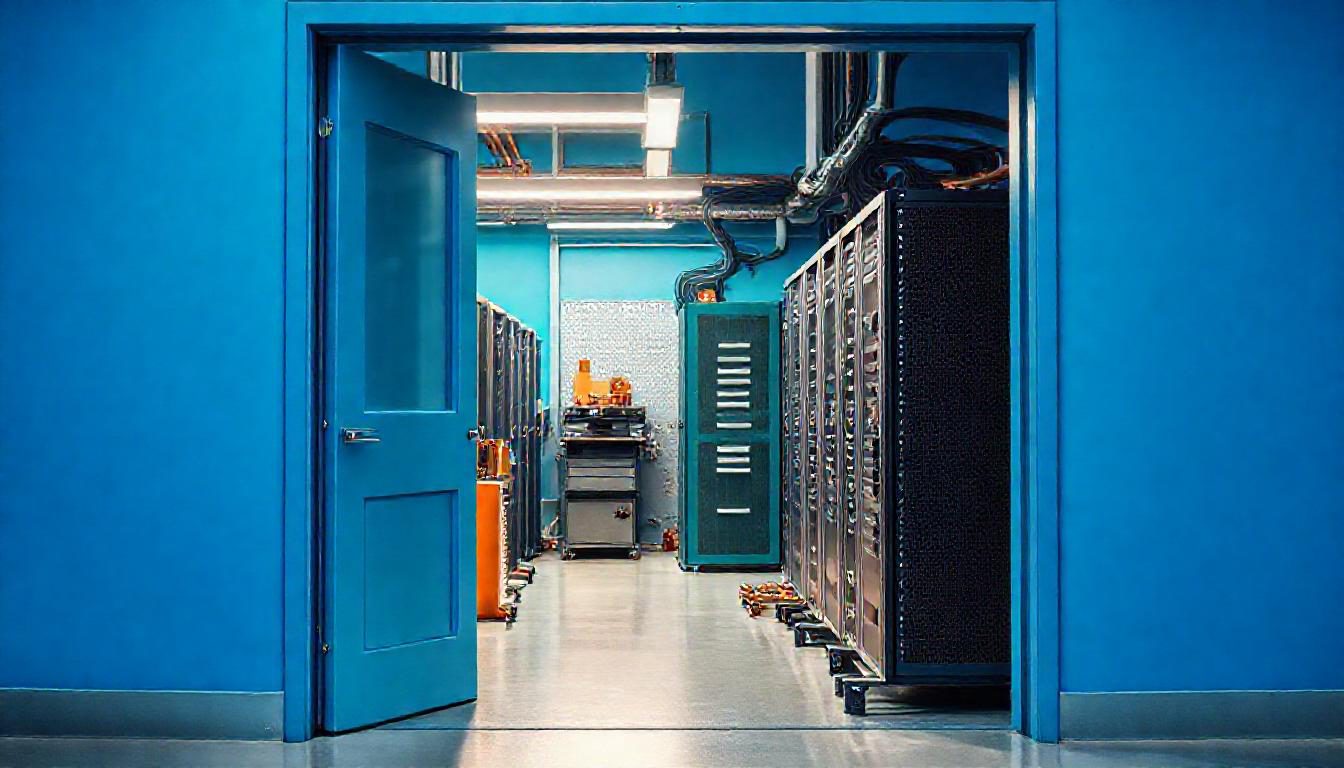
Traditional cloud providers calculate depreciation over five to seven years for general-purpose servers. Neoclouds, however, often assume their high-value GPU clusters retain utility for a similar duration. This assumption is flawed. AI hardware becomes economically obsolete far faster than the metal degrades. A depreciation schedule used in the most aggressive neocloud valuations may significantly overstate EBITDA by ignoring the need for premature replacement to maintain competitive inference speeds.
Speed-to-Nvidia: The Real Cost of Waiting
The primary threat to hardware efficacy is architectural iteration. When a new GPU architecture launches, older units do not just become slower; they become less efficient. The cost-per-token gap widens. A cluster of A100s may function perfectly for years, but its cost-performance ratio deteriorates rapidly compared to newer Blackwell-class systems.
This creates a capital trap:
- Opportunity Cost: Running older hardware means higher electricity and operational costs per unit of compute.
- Market Viability: Customers increasingly demand the lowest latency for the price, pushing providers toward newer nodes.
- Residual Value: Secondary markets for enterprise AI accelerators are thin, leaving minimal salvage value after market obsolescence.
Read also: Neocloud Capacity Clause: Power Grid Limits Hit AI Hardware · Semiconductor Clause: Valuations & Manufacturing Risks
Liquidity and Power Constraints
Beyond depreciating silicon, physical bottlenecks constrain neocloud valuations. Unstable power grids and permitting delays in key U.S. hubs like Virginia and Texas force providers to hoard capacity rather than optimize for flexibility. A GPU that cannot be powered is a depreciating asset that generates zero revenue. Investors must weigh the risk of stalled capacity expansion against the depreciation of idle hardware.
U.S. Capital and Silicon Asset Life
For venture and private equity firms, the discipline of capital expenditure is stricter than ever. Overvaluing these firms ignores the cash flow required to sustain a refresh cycle that may effectively occur every three years. The next phase of market consolidation will likely punish those who failed to account for this accelerated burn.
For official data and guidance on this topic, see Semiconductor Industry Association.
Key Takeaways
- Aggressive Depreciation: Standard accounting practices understate the economic obsolescence of AI silicon.
- Efficiency Gaps: Hardware age directly correlates with higher cost-per-inference, hurting margins.
- Liquidity Risks: Power and cooling constraints reduce the effective silicon asset life of committed assets.
- Valuation Adjustments: Investors should discount neocloud valuations to reflect a three-year hardware refresh cycle rather than a five-year standard.
The allure of AI infrastructure is undeniable, but the mechanics of hardware economics are unforgiving. Smart capital now looks beyond capacity totals, focusing on the velocity of silicon asset life depreciation.
Comments (1)