
The trajectory of Edge computing growth has reached a tipping point. For years, the industry narrative centered on abstracting infrastructure away from the developer, pushing code into massive, centralized data centers managed by hyperscalers like AWS, Azure, and Google. However, a subtle but significant shift is underway. Tools emerging in late 2026 allow developers to run serverless environments—specifically Cloudflare Workers—directly on local hardware or decentralized nodes. This move away from strict cloud dependency is not just a convenience feature; it represents a fundamental restructuring of how U.S. startups and enterprises view latency, cost, and control.
Edge computing growth: Why Local Runtimes Matter for Startups
For American entrepreneurs, the promise of serverless architecture was always about speed to market. But the reality often involves vendor lock-in and opaque pricing models. By enabling Cloudflare Workers to run outside the traditional cloud perimeter, developers gain the ability to test, deploy, and even serve traffic from edge locations without being tethered to a single provider’s availability zone. This flexibility is critical for early-stage companies where infrastructure costs can balloon unexpectedly. Running code locally during development eliminates cold starts and network latency, allowing for a tighter feedback loop. That means faster iteration cycles and lower burn rates, two metrics that matter most in the current venture capital environment.
Impact on Enterprise Resilience
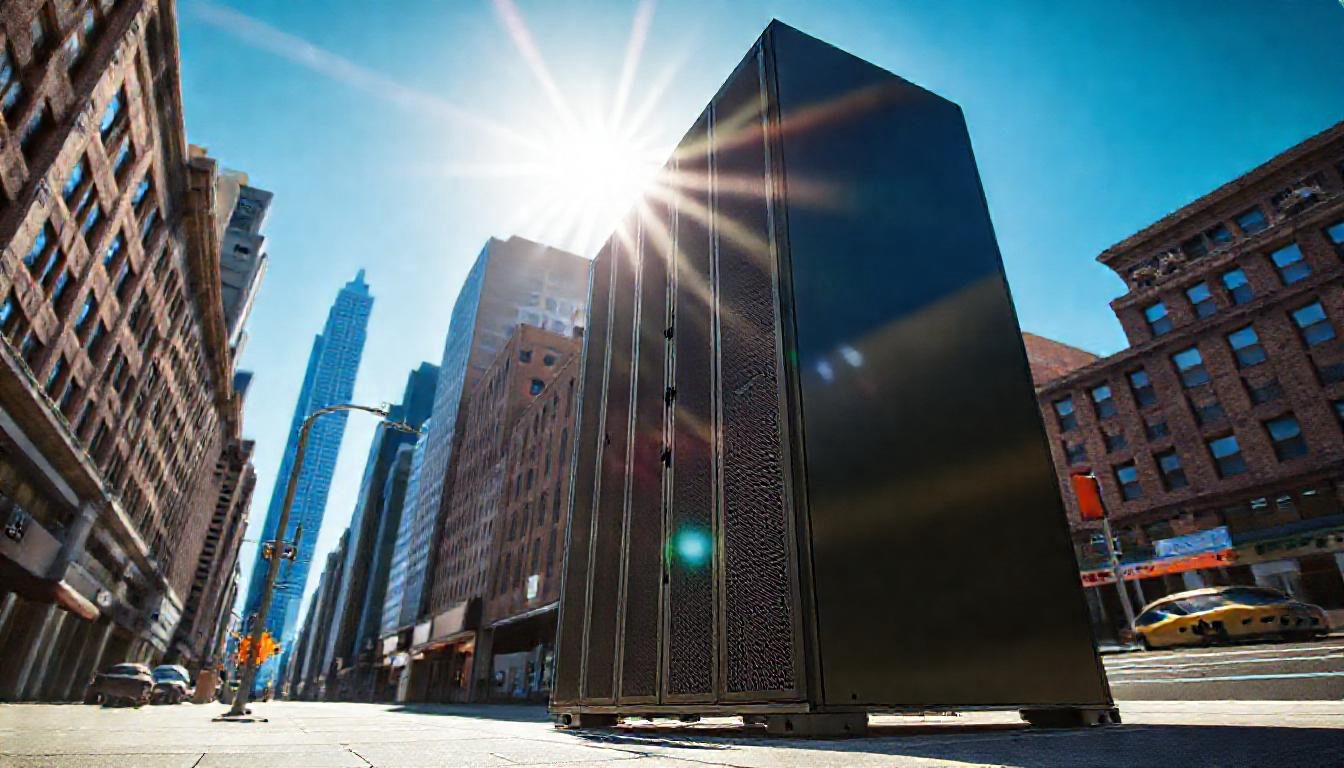
Large corporations are equally concerned with the Edge computing growth trend. As geopolitical tensions and supply chain disruptions continue to impact global internet infrastructure, relying on a single cloud provider for mission-critical applications poses a systemic risk. A local or decentralized execution model offers a hedge. If a major cloud region suffers an outage, applications running on distributed edge nodes can maintain functionality. This resilience is becoming a key differentiator for enterprise software procurement. CTOs are increasingly demanding architectures that can degrade gracefully rather than fail catastrophically when central services go down.
Practical Implications for Developers
The technical barrier to entry for this shift is dropping rapidly. Modern command-line interfaces allow for seamless synchronization between local environments and production edge networks. This parity ensures that what runs on a developer’s laptop behaves identically when pushed to the global network. It reduces the class of bugs associated with environment discrepancies, a longstanding headache in distributed systems engineering.
Read also: U.S. Chip Act Clause: How Investing in Legacy Nodes Reshapes Supply · Neocloud Capacity Clause: The Hidden Risk in AI Hardware Investments
Based on reporting by openorange.dev.
Key Takeaways
- Decoupling from Hyperscalers: Running serverless code locally reduces dependency on centralized cloud providers, offering more control and potentially lower costs.
- Enhanced Resilience: Distributed execution models provide business continuity during cloud outages, a critical feature for enterprise clients.
- Faster Development Cycles: Local testing eliminates network latency, speeding up iteration for startups and established tech firms alike.
- Strategic Advantage: Companies adopting these tools early position themselves to leverage the next phase of decentralized infrastructure, staying ahead of competitors still locked into traditional cloud silos.



Comments (4)