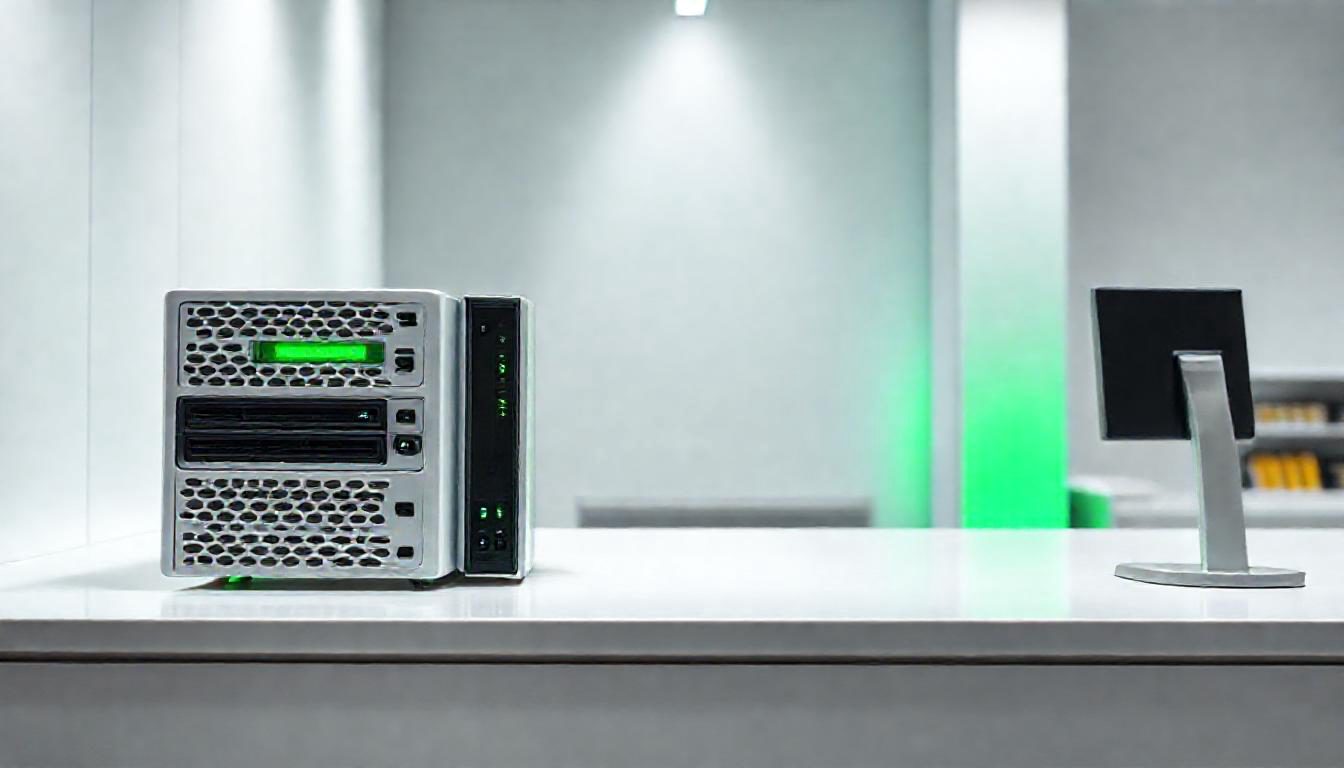
The era of air-cooled data centers is ending, and for U.S. tech investors, the shift creates both a capital bottleneck and a new margin opportunity. As of this fall 2026, the thermal density of modern AI accelerators has outpaced traditional HVAC systems, forcing a widespread adoption of direct-to-chip liquid cooling. Understanding data center cooling is no longer optional for evaluating hardware infrastructure plays.
The Data Center Cooling Wall Facing AI Chips
High-performance processors, particularly those powering large language models, generate heat loads that exceed the dissipation limits of air. When thermal throttling occurs, performance drops, rendering expensive silicon less effective. The solution is liquid cooling, which transfers heat away from the chip and rack components far more efficiently. This transition is not merely an engineering preference; it is a requirement for the most recent generation of accelerator architectures. Investors must recognize that data center cooling is now a primary determinant of operational efficiency and hardware longevity.
Impact on Capex and Opex
The move from air to liquid fundamentally alters the financial structure of data center operations.
Capital Expenditure Increases
Upgrading existing facilities or building new ones requires significant upfront investment. Liquid cooling systems involve complex plumbing, specialized manifolds and rigorous leak testing. For U.S. enterprises, this can increase infrastructure capex by 15% to 20% compared to traditional air-cooled builds. However, the total cost of ownership often balances out due to longer hardware lifecycles and higher rack density.
Operational Expense Reductions
While capex rises, opex often drops. Liquid cooling allows for higher water temperatures, reducing the energy needed for compression and circulation. Analysts estimate that effective liquid cooling can lower Power Usage Effectiveness (PUE) to near 1.1, a substantial improvement over the 1.3–1.5 typical of air-cooled facilities. This energy saving is critical for meeting the sustainability mandates increasingly enforced by utilities in major U.S. hubs.
For official data and guidance on this topic, see Semiconductor Industry Association.
Key Takeaways
- Adoption is Mandatory: Air cooling is insufficient for current AI hardware; liquid cooling is the only path to full performance.
- Capex vs. Opex Trade-off: Expect higher upfront infrastructure costs (15–20%) but lower long-term energy bills.
- Investment Focus: Look for companies specializing in liquid cooling components (manifolds, pumps, CDU) rather than just general server providers.
- Regulatory Pressure: Sustainability goals and utility constraints in the U.S. will accelerate the retirement of inefficient air-cooled facilities.


Comments (7)