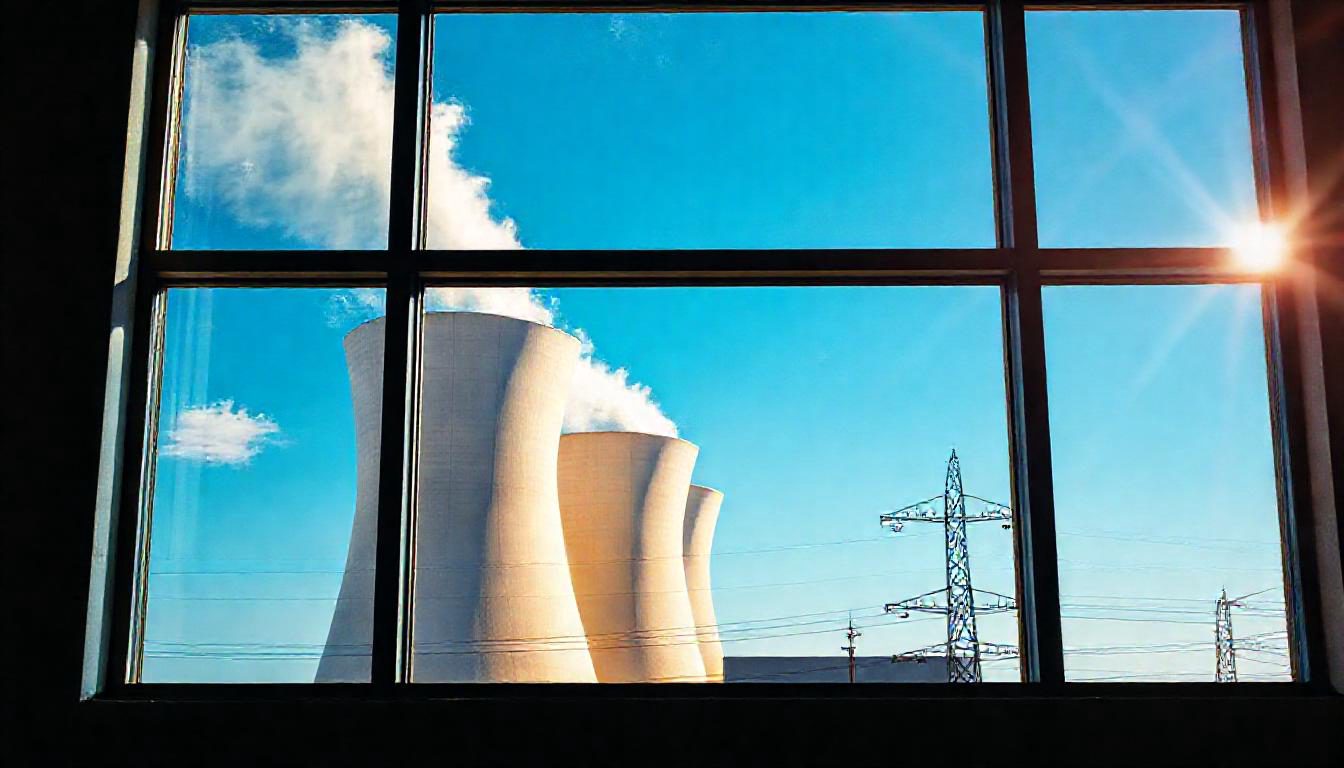
The integration of large-scale cryptocurrency infrastructure with the U.S. electrical grid has moved beyond a niche curiosity to a central component of energy market dynamics. For years, the prevailing critique of Bitcoin mining focused on its static, heavy energy consumption, positioning it as a primary driver of grid strain during peak hours. However, a significant pivot is underway. Data center operators are increasingly transitioning from being passive consumers of electricity to active participants in energy markets by selling power back to the grid when demand spikes. This shift is not merely an operational tweak; it represents a fundamental change in the economic model of digital asset production, with profound implications for utility providers, independent power producers, and institutional investors looking for yield-generating assets in a volatile market. In this new landscape, Bitcoin miners sell power as a strategic service.
How Bitcoin miners sell power to the Grid
The core mechanism driving this change is the ability of modern mining facilities to curtail operations within milliseconds. Unlike traditional industrial processes that require slow ramp-downs, Bitcoin mining rigs can throttle or shut off instantly. This capability allows operators to participate in demand response programs and ancillary service markets. By reducing their draw during peak pricing events, miners effectively “sell” their unused capacity back to the grid, not by generating electricity themselves, but by providing a valuable service: load reduction. In regions like Texas, where the Electric Reliability Council of Texas (ERCOT) has pioneered these markets, this activity has become a significant revenue stream for mining fleets.
For U.S. entrepreneurs and tech professionals, understanding this dynamic is critical. It transforms the mining facility from a pure cost center into a dual-revenue asset. The primary revenue stream remains the block reward and transaction fees, but the secondary stream—energy arbitrage—provides a hedge against the volatile price of Bitcoin. When Bitcoin prices fall, mining profitability squeezes, but if the operator is simultaneously earning high rates for curtailment during energy spikes, the overall facility economics can remain attractive. This diversification is attracting institutional capital that previously avoided crypto infrastructure due to single-point-of-failure risks associated with pure-play mining.
Regulatory Tailwinds and Headwinds
The regulatory landscape for this new model is complex. While federal agencies have signaled a willingness to engage with digital asset infrastructure, the specifics of how energy sales are taxed and regulated remain in flux. Utility commissions in states like Georgia, North Carolina, and Texas are grappling with how to classify these large, flexible loads. Are they industrial customers? Are they distributed energy resources? The classification matters for tariff structures and grid reliability mandates.
Investors must monitor how regulators balance grid stability against innovation. There is a growing consensus that flexible loads are essential for integrating renewable energy sources, which are intermittent by nature. When wind and solar output exceed local demand, prices can drop to zero or even negative. Miners thrive in this environment, consuming excess green energy at a low cost. Conversely, when renewable output dips and fossil fuel plants struggle to ramp up, miners curtail. This behavior supports the broader transition to a cleaner grid, a narrative that is gaining traction among ESG-focused funds looking for exposure to crypto technology without the carbon footprint stigma.
Key Economic Drivers
- Energy Price Volatility: High volatility in wholesale electricity prices increases the profit potential for miners capable of rapid curtailment.
- Grid Congestion: Areas with constrained transmission capacity offer higher demand response payments, incentivizing miners to locate there.
- Renewable Integration: The expansion of wind and solar infrastructure creates more artificial power surpluses, lowering average energy costs for miners.
- Bitcoin Network Health: A stable or rising hashrate indicates continued miner confidence, but the shift toward energy sales may decouple hashrate growth from pure Bitcoin price appreciation.
Impact on U.S. Energy Markets
The entry of gigawatt-scale flexible loads into the energy market is altering pricing signals. For traditional utilities, the presence of large miners provides a reliable base load of revenue, even if that load is interruptible. This can make the construction of new power generation facilities more financially viable, potentially slowing the decline of certain dispatchable power plants that are crucial for grid reliability. However, it also introduces new variables into long-term energy forecasting. The correlation between Bitcoin prices and regional energy costs is strengthening, creating a feedback loop that energy traders must now account for.
Furthermore, the geographic distribution of miners is shifting. Early waves of mining clustered in regions with the cheapest hydroelectric power. Today, the search for optimal economics includes regions with robust demand response markets and favorable regulatory environments for energy sales. This redistribution is spreading the economic benefits of mining infrastructure across the U.S., creating jobs and tax revenues in rural areas that might otherwise see little digital investment.
Investor Strategy for the New Era
For the American investor, the “Bitcoin miners sell power” model offers a unique exposure opportunity. Publicly traded mining companies are increasingly disclosing their energy strategy, highlighting partnerships with utilities and participation in ancillary services. When evaluating these stocks, analysts should look beyond hashrate efficiency metrics. Key performance indicators now include:
- Curtailment Revenue: The percentage of total revenue derived from energy services rather than direct mining.
- Contract Flexibility: The terms of power purchase agreements (PPAs), specifically the ability to curtail without penalty.
- Grid Partnership Status: Formal agreements with regional transmission operators or utilities to act as demand response assets.
This shift requires a more sophisticated due diligence process. It is no longer enough to bet on the price of Bitcoin; investors must also bet on the operational sophistication of the mining fleet. Companies that have successfully integrated into the energy market are better positioned to survive bear cycles in the crypto market, as their energy-related revenues provide a floor to their cash flow.
Key Takeaways
- Dual Revenue Streams: Bitcoin miners are no longer just crypto producers; they are energy services providers, earning revenue from demand response and curtailment programs.
- Grid Stabilization: Massive, flexible mining loads help stabilize the grid by consuming excess renewable energy and reducing demand during peaks, supporting the U.S. transition to clean energy.
- Investor Due Diligence: When analyzing mining stocks, prioritize companies with strong energy market participation and transparent curtailment revenue metrics over those with pure hashrate dominance.
- Regulatory Uncertainty: State-level regulatory frameworks are still evolving, creating both opportunities for early adopters and risks for those who fail to adapt to new utility classifications.
- Volatility Hedge: Energy sales provide a hedge against Bitcoin price volatility, potentially stabilizing mining company cash flows during crypto downturns.
For official data and guidance on this topic, see U.S. Securities and Exchange Commission.
FAQ
How do Bitcoin miners actually sell power if they don’t generate it?
Miners “sell” power by reducing their electricity consumption during peak demand periods. This curtailment acts as a virtual power plant, providing grid stability services that utilities pay for, effectively allowing miners to monetize their ability to turn off quickly.
Does this practice harm the decentralized nature of Bitcoin?
No, it does not affect the consensus mechanism or decentralization of the Bitcoin network itself. It only changes the operational economics of the entities producing the blocks, potentially making the industry more resilient to price shocks by diversifying revenue.
Which U.S. states are most active in this energy-selling model?
Texas is the leader due to its deregulated energy market and ERCOT’s advanced demand response programs. Other states with significant mining activity and evolving energy markets include Georgia, North Carolina, and parts of the Pacific Northwest.
Will this trend continue if Bitcoin prices remain low?
Yes, the economic incentive to participate in energy markets persists regardless of Bitcoin prices. In fact, during low-price periods, the relative value of energy curtailment revenues becomes even more critical for maintaining miner profitability and operational continuity.



Comments (3)