
The convergence of blockchain and artificial intelligence is reshaping the American energy landscape. Bitcoin miners are no longer just baking blocks; they are becoming critical infrastructure providers for AI data centers. This pivot addresses a fundamental shortage in high-density power and cooling capacities, particularly in Texas and the Pacific Northwest. The case of major publicly traded miners illustrates a broader strategic realignment driven by economics rather than ideology. Understanding these mining rig financials is essential for investors.
The Economics of the Pivot
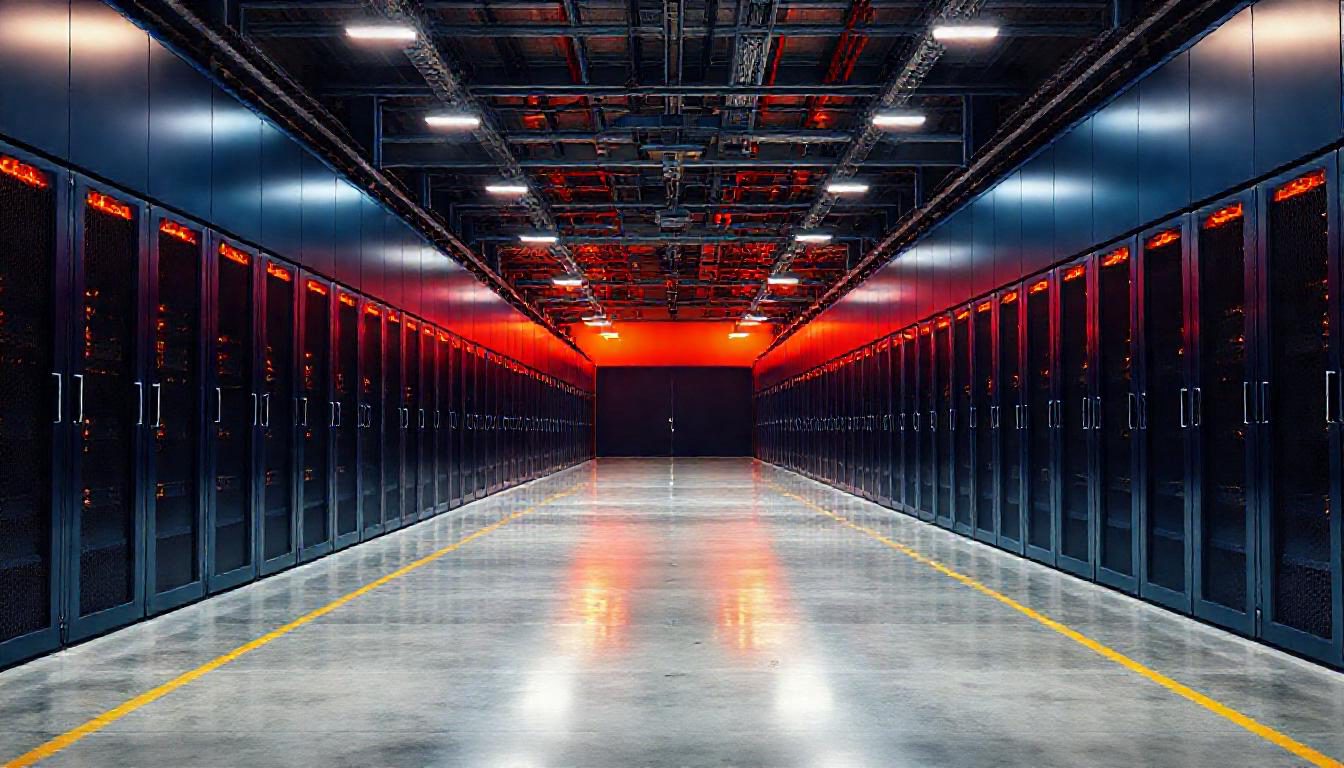
Mining margins have contracted significantly following the 2024 halving. Conversely, the capital expenditure for AI infrastructure remains robust. Miners possess three assets AI firms desperately need: guaranteed power contracts, liquid cooling infrastructure, and established grid relationships. By leasing space or selling excess power, miners diversify revenue streams away from volatile token prices.
Key advantages of this hybrid model include:
- Revenue Stability: Fixed-term leases provide predictable cash flow.
- Infrastructure Utilization: Existing substations and cooling systems are repurposed rather than replaced.
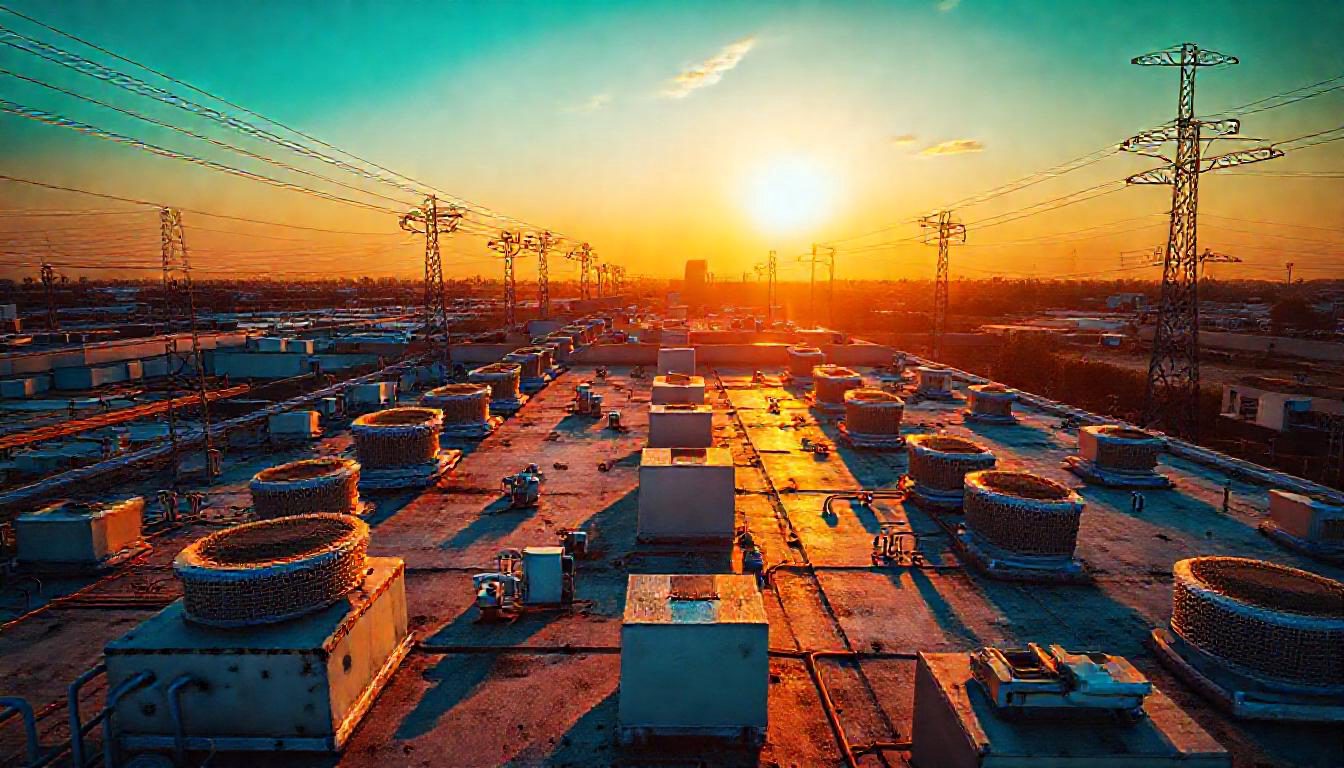
- Grid Balancing: Miners can curtail operations during peak demand, selling electricity at premium rates to the grid or AI facilities.
Grid Constraints in Major U.S. Hubs
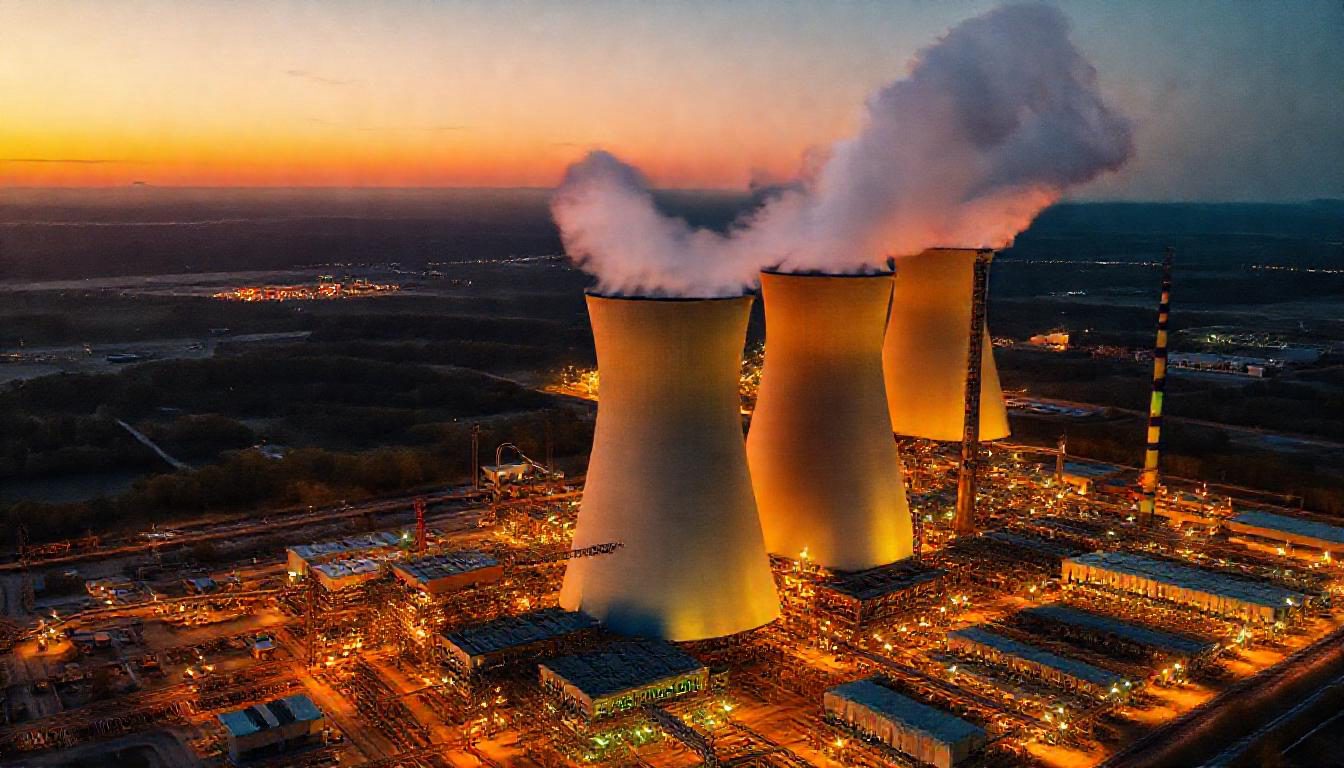
The bottleneck for U.S. AI expansion is not silicon; it is electricity. Building new data centers often takes years due to permitting and interconnected queue delays. Bitcoin miners already hold these permits. This regulatory arbitrage gives them a distinct competitive edge. In Texas, the Electric Reliability Council of Texas (ERCOT) has become a primary venue for this exchange, allowing miners to act as flexible load resources. These factors heavily influence mining rig financials.
Regulatory and Capital Market Implications
Investors must distinguish between pure-play miners and diversified energy companies. The SEC’s evolving stance on crypto securities affects valuation. However, the AI component often attracts traditional infrastructure capital, lowering the cost of debt. Analysts estimate that hybrid miners could see a 15% reduction in capital costs compared to pure-play competitors. Accurate mining rig financials help identify these opportunities.
Key Takeaways
- Bitcoin miners are evolving into energy infrastructure firms.
- AI demand for power is driving the adoption of hybrid mining models.
- Grid flexibility and existing permits are the primary competitive moats.
- U.S. investors should evaluate miners based on energy revenue diversification, not just hash rate capacity.
For official data and guidance on this topic, see Commodity Futures Trading Commission.
Read also: DeFi Compliance Gaps: A Case Study for U.S. Investors · GENIUS Act Stablecoin Yield Strategies
Comments (2)