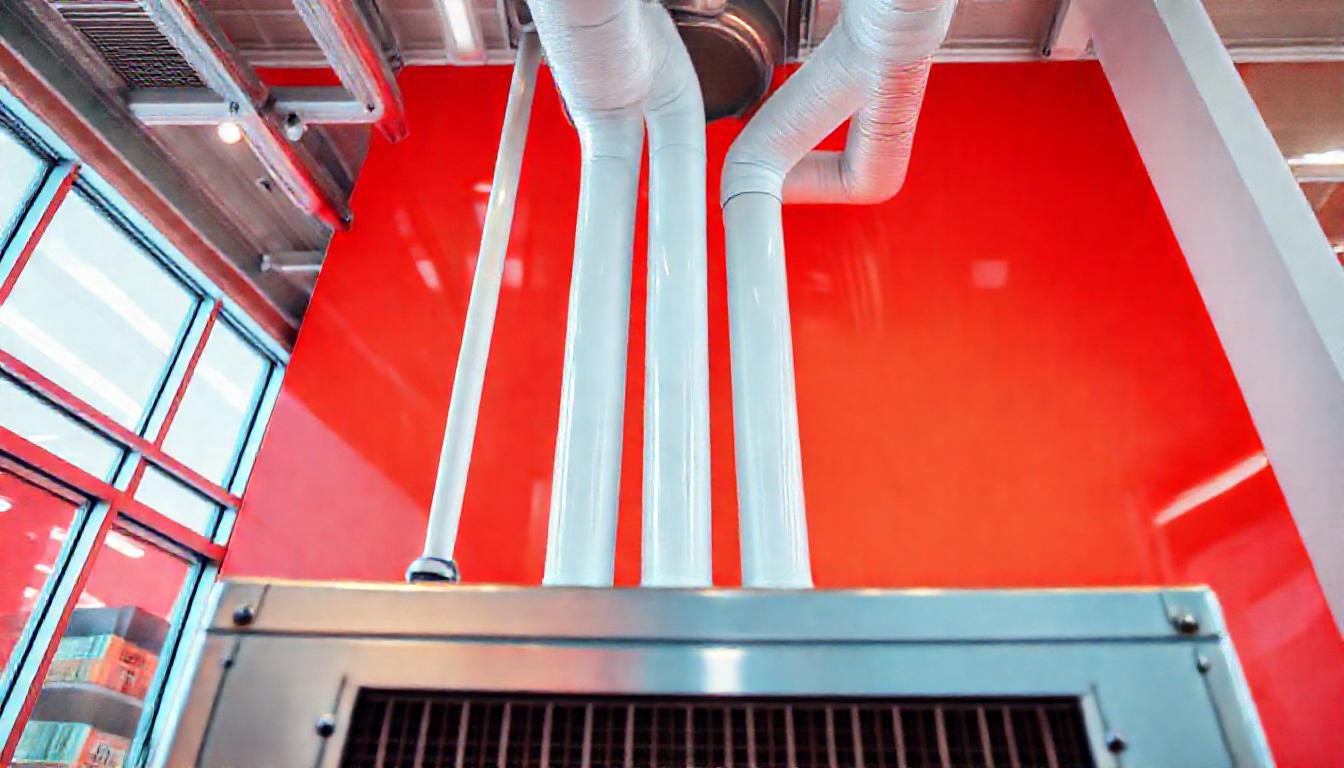
The narrative that cryptocurrency is purely an energy vampire is losing traction in specific U.S. markets. As of early 2026, a growing cluster of Bitcoin miners in the Northeast is pivoting from selling electricity back to the grid to direct-throw business models: heating buildings. This shift addresses two critical pressures: rising ESG standards for digital assets and the volatile margins of pure-play mining. For entrepreneurs and investors, the core question is no longer whether Bitcoin miners heat neighborhoods, but whether the capital expenditure for Bitcoin waste heat extraction yields a superior return on investment compared to traditional energy arbitrage.
Bitcoin Waste Heat Economics
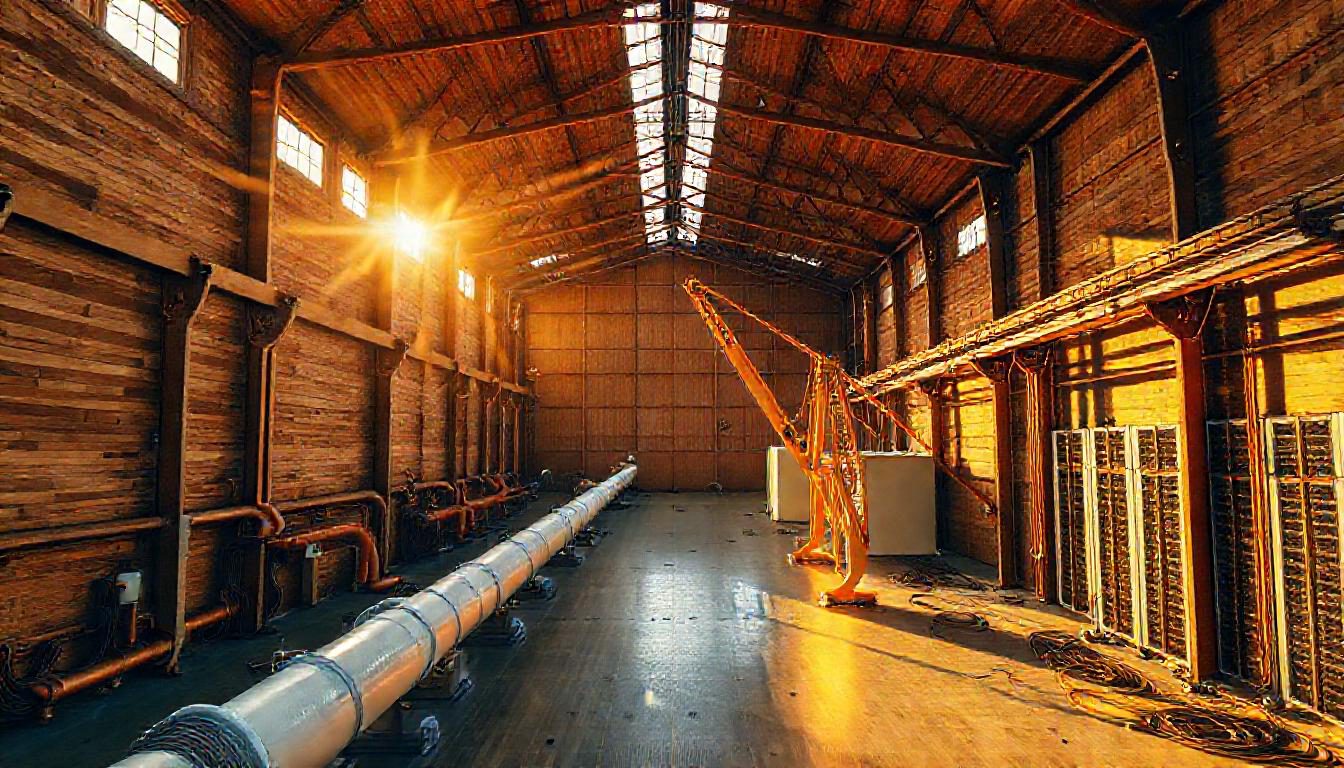
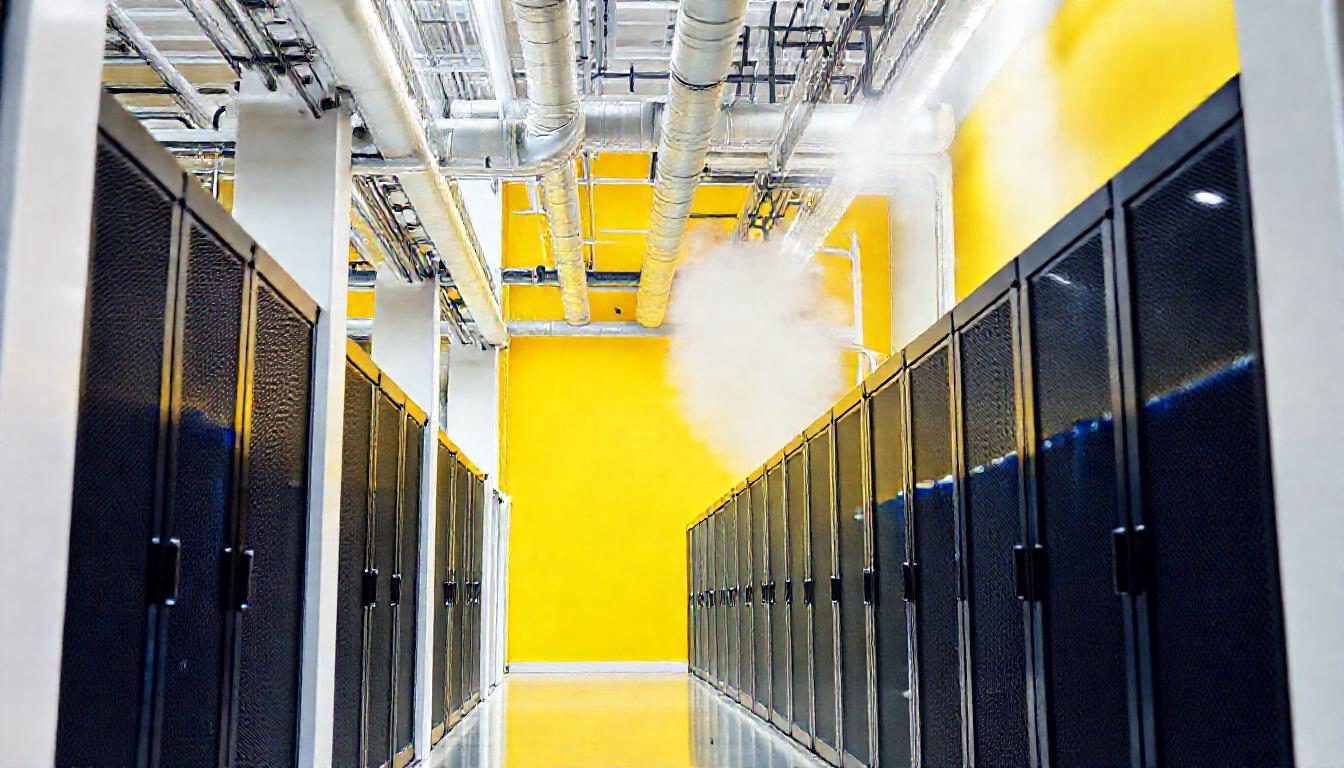
Mining is thermodynamically inefficient; roughly 95% of electricity consumed turns into heat. Traditionally, this Bitcoin waste heat is vented into the atmosphere, representing pure loss. In the new model, miners install heat exchangers and insulated piping to capture this thermal energy. They then sell it to nearby municipalities or commercial complexes. This turns a liability into a revenue stream.
Consider the operational math. A standard 10-megawatt facility might see mining revenue fluctuate with hash price. However, contracted Bitcoin waste heat sales provide sticky, long-term cash flow. These contracts often span 5–10 years, offering a hedge against crypto volatility. For U.S. investors, this stabilizes EBITDA, making these assets more attractive to institutional capital and infrastructure funds that previously avoided pure-play crypto miners due to risk profiles.
Key Operational Hurdles
- Infrastructure CAPEX: Installing district heating pipes requires significant upfront investment, often exceeding $1,000 per kilowatt of thermal capacity.
- Regulatory Zoning: Local permitting for high-voltage substations and steam infrastructure varies by municipality, creating timelines that can stretch 12–18 months.
- Load Matching: Mining operations are 24/7, but heating demand is seasonal. Facilities must operate in colder climates or partner with industrial users requiring year-round heat to maximize capacity utilization.

Why U.S. Markets Favor This Pivot
The U.S. grid is fragmented, with high transmission costs in dense areas. Locating miners near users reduces strain on local infrastructure. In places like upstate New York or Colorado, cold winters provide ideal conditions for district heating. This geographic alignment reduces the “curtailment risk”—the probability that local grid operators force miners to shut down during peak demand. By providing Bitcoin waste heat, miners become essential community partners rather than parasitic load centers.
This evolution transforms cryptocurrency mining from a speculative commodity play into a tangible infrastructure asset. It allows investors to gain exposure to blockchain economics while mitigating downside risk through diversified energy services. As regulatory clarity improves, this hybrid model may become the default for new mining projects across the Rust Belt and mountain states.
For official data and guidance on this topic, see U.S. Securities and Exchange Commission.
Read also: Bitcoin Hardware Custody: How to Secure Cold Storage · Bitcoin Miners Sell Heat: A Case Study on District Heating
Key Takeaways
- Revenue Diversification: Bitcoin miners heat local districts to create stable, long-term cash flows independent of token price volatility.
- Infrastructure Value: The shift requires higher initial capital for heat exchangers and piping but lowers operational risk related to grid curtailment.
- Investor Profile: This model appeals to institutional infrastructure funds seeking ESG-compliant exposure to digital assets.
- Geographic Constraint: Success is highly dependent on proximity to cold-climate users and favorable local zoning for industrial energy projects.


Comments (4)