Investing
Shadow Banking Stress Tests: 2026 Portfolio Impact
Wall Street’s shadow banking engine is cracking. Discover how private credit risk impacts 2026 portfolios and why liquidity matters more than yield.
Iryna Melnyk2 min read
Topic
10 articles
Wall Street’s shadow banking engine is cracking. Discover how private credit risk impacts 2026 portfolios and why liquidity matters more than yield.
Sustained inflows into spot Bitcoin ETFs are reshaping market structure, signaling a decisive pivot from retail speculation to institutional allocation.
With market volatility rising this fall, a clear portfolio rebalancing strategy is essential for protecting gains and maintaining risk targets.
Private credit has surged, but liquidity mismatches and opaque valuations are creating hidden vulnerabilities for institutional and retail investors.
Retail banks are aggressively shrinking their physical footprints to save costs, but this Bank Branch Consolidation wave is creating unforeseen operational and reputational risks for shareholders.
As Q4 approaches, U.S. investors weigh Coinbase's insured hot wallet model against Kraken's robust cold storage protocols. Here is how the two platforms stack up.
As semiconductor investing enters late 2026, valuations stretch thin while supply chains mature. Investors must weigh potential margin compression against long-term AI demand.
As redemption pressures mount in mid-2026, private credit funds face a structural liquidity mismatch that threatens to freeze capital for American investors.
With the Federal Reserve likely holding steady, money market funds remain a primary vehicle for capital preservation.
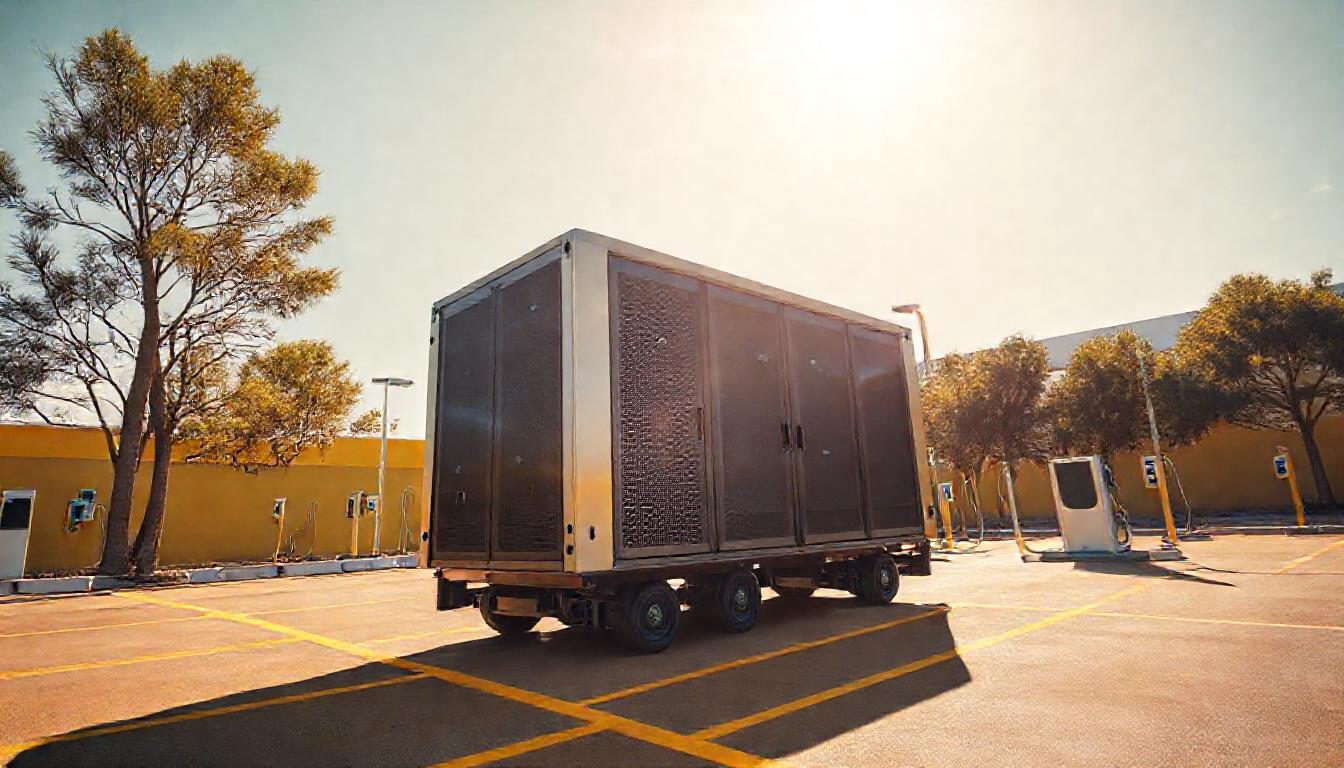
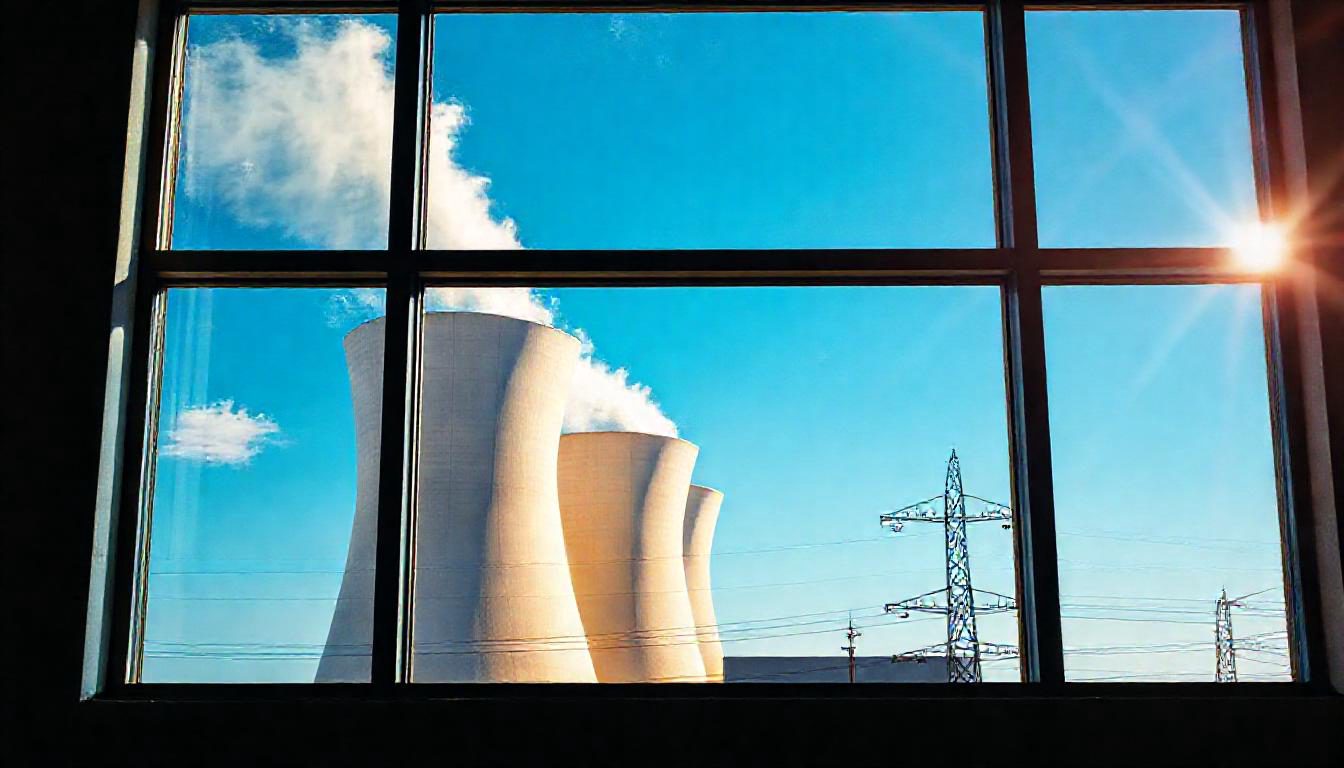
The narrative that Bitcoin mining is purely parasitic on energy grids is fading. A new financial model is emerging where miners act as flexible loads, selling power back to the grid during peak demand.
We use cookies to keep the site running, remember your preferences and measure audience anonymously. You can accept all cookies or only the strictly necessary ones. Cookie policy