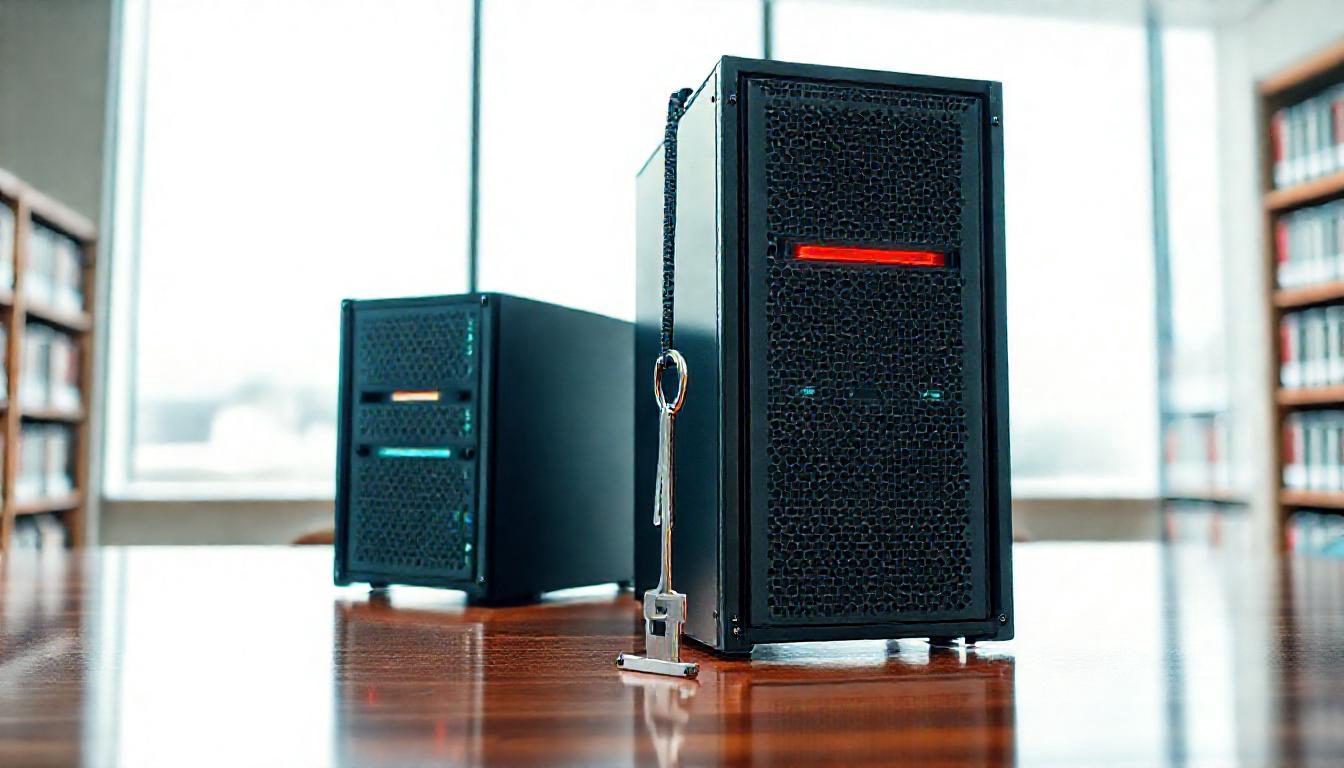
The convergence of computational power and energy infrastructure has reached a critical juncture this fall, as leading U.S. entities execute a strategic miners balance sheet pivot to accommodate the surging demand for artificial intelligence workloads. For years, mining operations functioned as pure energy arbitrage plays, converting cheap electricity into digital scarcity. Now, the economics have inverted. With the post-halving reward structure squeezing margins, operators are discovering that their most valuable asset is not their hardware, but their connection to the grid.
The Economics of the Miners Balance Sheet Pivot
The shift is driven by stark profitability gaps. Mining hardware depreciates rapidly, and network difficulty continues to climb, making pure play operations volatile and capital-intensive. In contrast, hosting AI training clusters offers long-term, contract-based revenue streams with significantly higher margins. Analysts estimate that industrial-scale data centers dedicated to AI can generate revenue per megawatt that exceeds bitcoin mining yields by a factor of two or three. This disparity is forcing public companies to reevaluate their core business models, moving away from speculation toward infrastructure utility.
Infrastructure as the New Moat
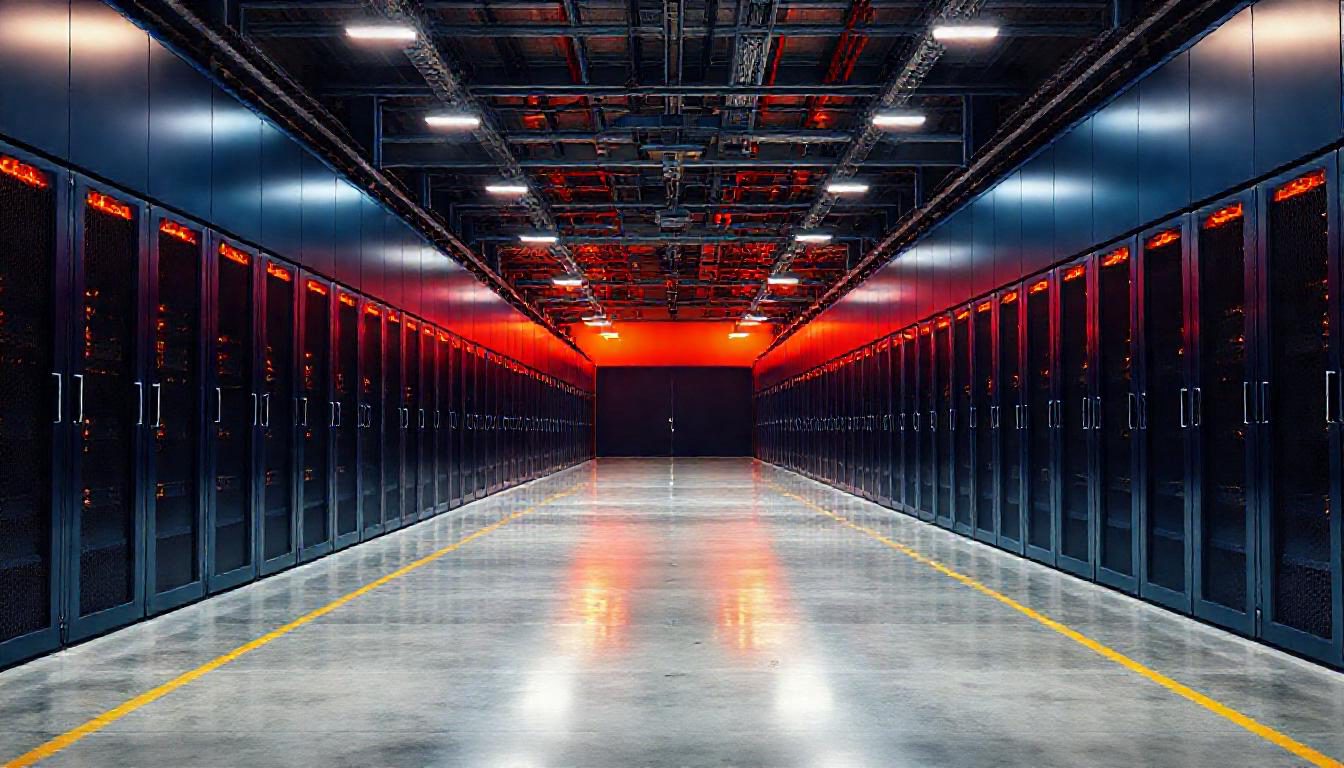
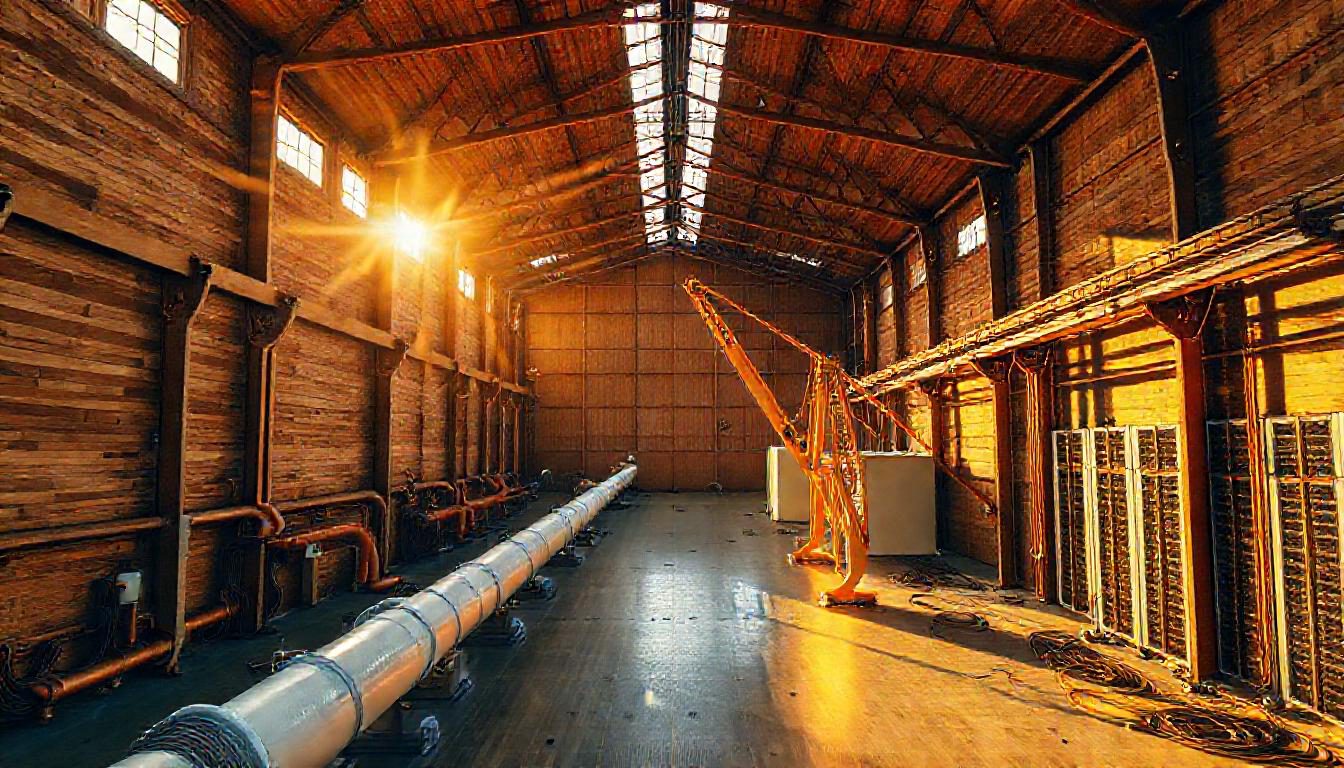
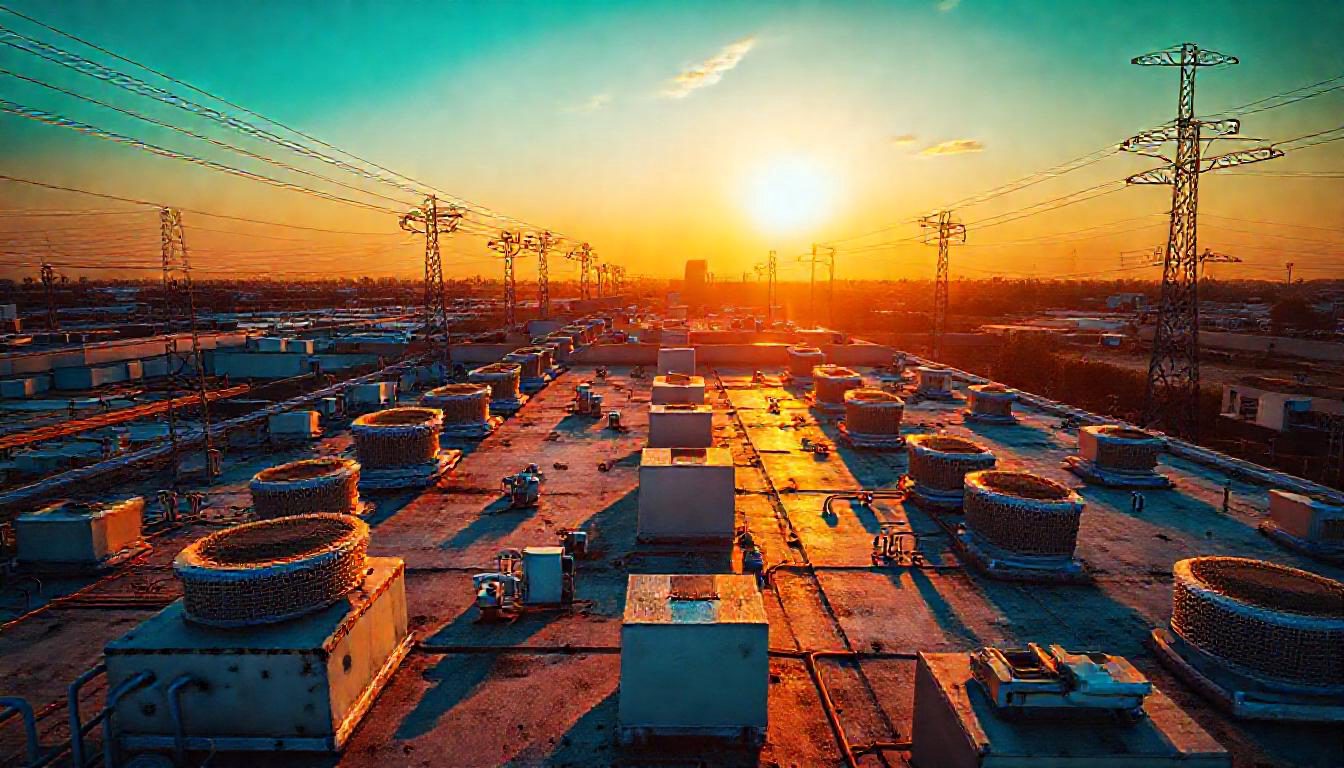
What makes this transition viable is the regulatory and physical reality of U.S. energy markets. Power constraints in Northern Virginia and other tech hubs have created a bottleneck for AI adoption. Bitcoin mining firms, which already secured interconnection queues and built high-cap cooling systems in remote regions, possess the only viable path to immediate deployment. They are not abandoned mining rigs but repurposed facilities. The existing electrical infrastructure and advanced cooling methods required for high-density computing make these sites uniquely qualified for next-generation server loads.

Impact on Crypto Market Dynamics
This reallocation of capital raises questions about network security. If major firms reduce their hashrate commitment in favor of AI hosting, does the Bitcoin network become more vulnerable? Currently, the answer appears to be no, as the market is naturally consolidating toward the most efficient miners. However, the narrative of energy consumption is changing. A firm that powers AI models is often viewed more favorably by ESG-focused institutional investors than one that burns electricity for transaction validation. This reputational shift could unlock new capital access, further widening the gap between pure-play crypto firms and diversified infrastructure giants.
For official data and guidance on this topic, see FinCEN.
Read also: Cross-Exchange Arbitrage Mechanics: Execution Risks · Solana vs Ethereum: Network Downtime Impact on Custody Insurance
Key Takeaways
- Margin Pressure: Post-halving economics are making pure-play mining less attractive compared to long-term AI hosting contracts.
- Asset Repurposing: Existing U.S. mining facilities are becoming critical infrastructure for the AI boom, leveraging secured power and cooling.
- Investor Opportunity: The miners balance sheet pivot allows investors to gain exposure to AI growth through crypto-native stocks that are diversifying their revenue streams.
- **Market Outlook:**Heading into Q4 and beyond, expect continued hybrid models, with mining operations running alongside high-performance computing services.

Comments (3)