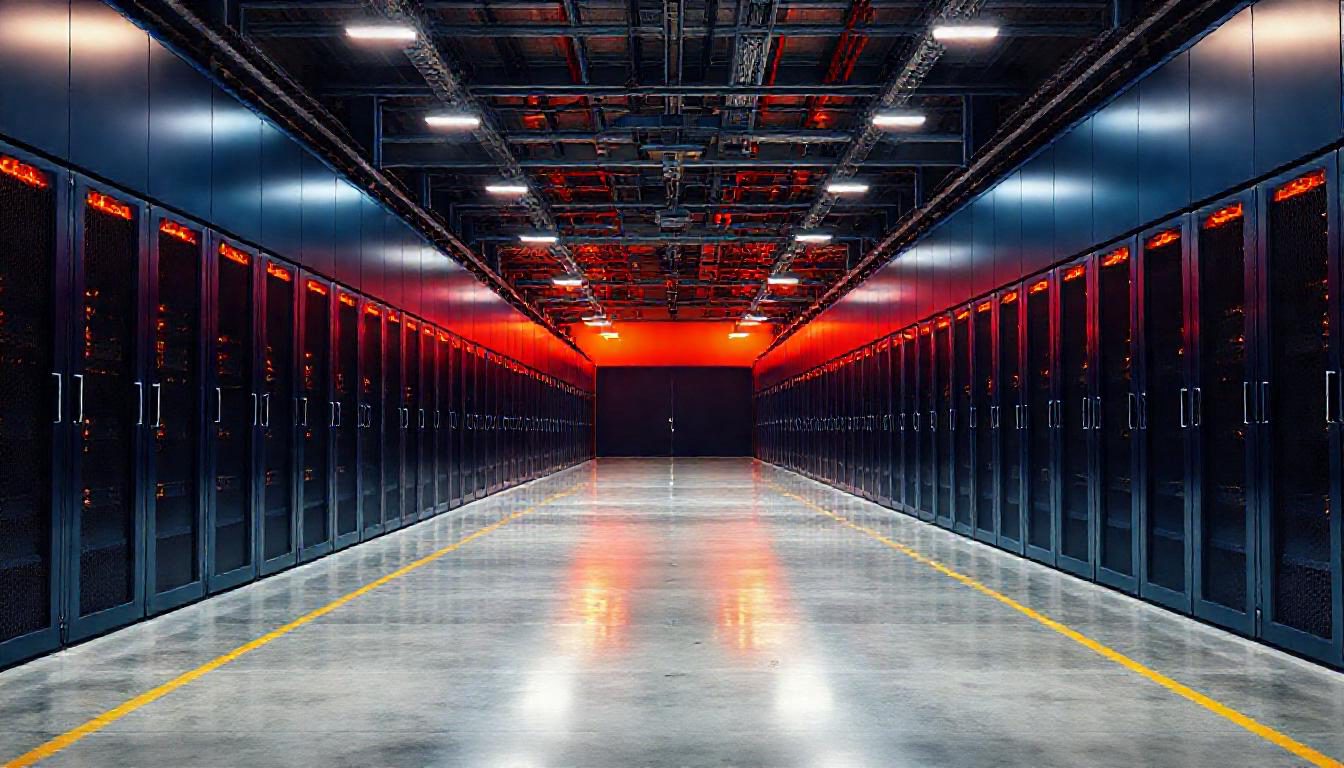
The convergence of cryptocurrency and artificial intelligence has moved beyond buzzword territory into a tangible economic shift. By late 2025, the operational reality for U.S. digital asset firms is clear: Bitcoin miners AI infrastructure demands are rewriting business models. With block rewards halved in 2024, the era of pure-play hash rate competition is waning. Instead, mining companies are leveraging their most valuable asset—massive, grid-connected power capacity—to service the voracious energy appetites of AI training clusters.
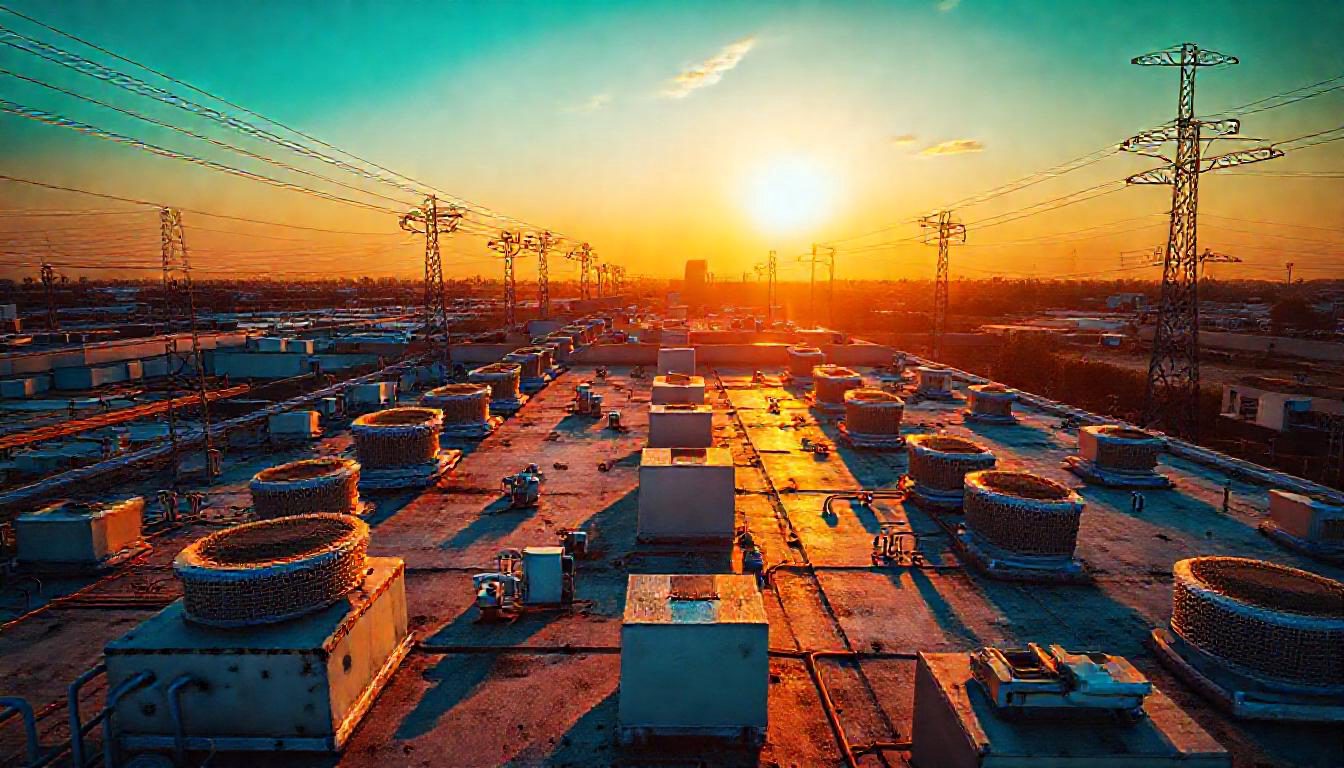
This pivot addresses a critical bottleneck for the tech industry: power availability. Silicon Valley’s AI ambitions are constrained by a grid that cannot deliver gigawatts of reliable, high-density electricity quickly enough. Mining firms, already positioned in energy-rich regions like Texas and the Pacific Northwest, offer an immediate solution. They are converting rows of ASICs into accelerated computing infrastructure, effectively becoming hybrid energy and tech providers.
Why Bitcoin Miners AI Synergies Matter Now
The economic case for this transition rests on revenue stability. Bitcoin mining yields are inherently volatile, tied directly to token price and global competition. In contrast, long-term leases with AI firms provide predictable, recurring cash flows. This shift appeals to traditional investors who view pure crypto exposure as too speculative. By diversifying into high-performance computing (HPC), mining operators reduce their beta to Bitcoin’s price while increasing their valuation multiple, aligning closer with established data center REITs than commodity producers.
However, the technical hurdles are significant. AI workloads require different hardware than Bitcoin mining. While the cooling and power distribution infrastructure is portable, the compute units are not. Companies must either phase out ASICs in favor of GPUs or navigate complex retrofitting processes. The result is a capital-intensive transition that favors large, well-capitalized firms like Marathon Digital or Core Scientific, potentially accelerating consolidation in the mining sector.
Key Operational Differences
The table below highlights the divergent needs of traditional crypto mining versus AI data centers:
| Feature | Bitcoin Mining | AI Data Center |
|---|---|---|
| Primary Utility | Proof of Work | Model Training |
| Hardware | ASICs | GPUs/TPUs |
| Power Profile | Flexible, interruptible | Base load, consistent |
| Revenue Model | Volatile (crypto price) | Contractual (B2B) |
Regulatory and Grid Implications
U.S. regulators are watching closely. The grid’s stability is paramount, and the influx of high-density AI loads raises concerns about local infrastructure strain. Unlike Bitcoin, which can curtail operations instantly to balance the grid, AI training runs are often continuous. This lack of flexibility could complicate utility interactions, potentially leading to stricter oversight or higher energy tariffs. Investors must assess whether these regulatory risks outweigh the benefits of stable revenue.
For American shareholders, the question is no longer whether miners will pivot, but how quickly. Those who successfully bridge the gap between crypto and AI infrastructure stand to capture value from two of the decade’s most transformative technologies simultaneously.
For official data and guidance on this topic, see U.S. Securities and Exchange Commission.
Key Takeaways
- Revenue Stability: Bitcoin miners AI contracts offer predictable income compared to volatile crypto rewards.
- Consolidation: High capital requirements for hardware transitions favor large, established U.S. firms.
- Grid Pressure: Continuous AI loads may face stricter regulatory scrutiny than interruptible mining operations.
- Investor Outlook: Diversification into HPC could re-rate mining stocks closer to traditional data center valuations.

Comments (4)