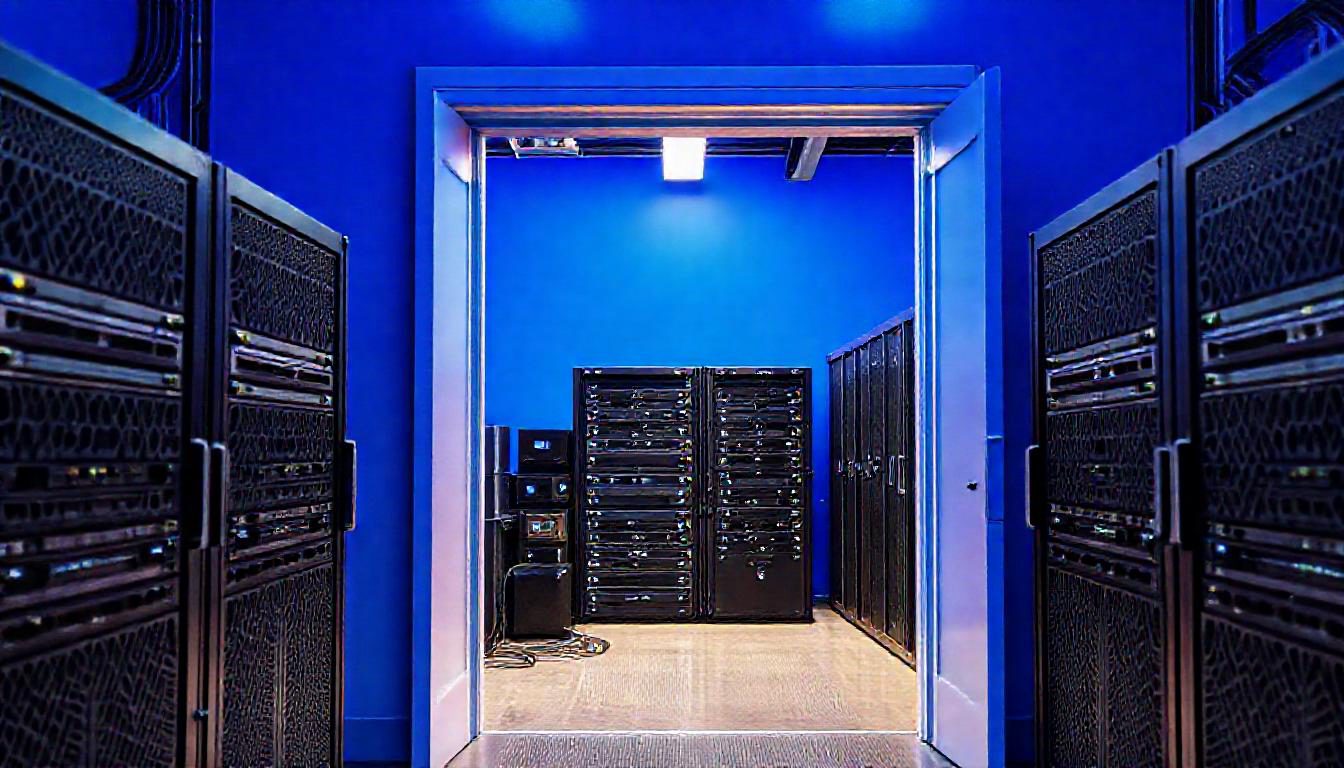
The rush to build specialized AI data centers, often called “neoclouds,” is colliding with a harsh reality: hardware scarcity. For the sophisticated American investor, the critical differentiator in 2026 is no longer just the name on the business card, but the specific “neocloud capacity clause” embedded in their infrastructure contracts. This legal and financial mechanism dictates who gets the silicon when GPUs are oversubscribed, creating a bifurcated market between protected incumbents and vulnerable startups, highlighting significant neocloud contract risks.
Why Neocloud Contract Risks and Capacity Clauses Matter
A capacity clause typically guarantees a provider access to a specific volume of compute resources over a set period, often in exchange for upfront prepayments or equity. In the current market, Nvidia’s Blackwell architecture is the gold standard. Providers without negotiated capacity clauses are finding themselves at the back of the line, unable to service enterprise customers despite having the cash to pay. This creates a significant operational risk for firms relying on spot pricing or non-binding reservations.
Investors should scrutinize the flexibility of these clauses. Are they rigid, locking capital into underutilized hardware when demand cools? Or are they dynamic, allowing providers to pivot between training and inference workloads? The difference determines whether a neocloud remains profitable during the inevitable AI demand correction.
Key Risks for 2026 Portfolios
The proliferation of niche cloud providers has led to a fragmented landscape. Without a robust neocloud capacity clause, providers face neocloud contract risks including:
- Hardware Obsolescence: If a provider cannot guarantee upgrades to next-gen chips, they become locked into older, less efficient frameworks.
- Revenue Volatility: Enterprise clients demand 99.9% uptime. Capacity disputes lead to service degradation and churn.
- Deal Structure Pitfalls: Many startups are trading future equity for immediate hardware access, diluting founders and creating complex cap tables that confuse public market investors.
“The capacity clause is the modern-day oil deed. Whoever controls the allocation of compute controls the margin.”
Read also: Neocloud Capacity Clauses: ROI Risks for US Tech Startups · Valuing Data Centers by Thermal and Power Metrics
How to Evaluate Neocloud Investments
When assessing a private or public infrastructure company, look for evidence of secured long-term supply agreements. A strong balance sheet means little if the hardware pipeline is unsecured. Investors should also weigh the diversification of chip suppliers. While Nvidia dominates, reliance on a single vendor without a contractual safety net is a concentration risk that could trigger significant write-downs if supply chain disruptions occur.
Ultimately, the winners in the 2026 AI infrastructure race will be those who treat hardware access as a strategic asset, not a commodity. The neocloud capacity clause is the shield against that commoditization. For American tech executives and venture capitalists, ignoring this legal nuance could mean the difference between a unicorn and a bankruptcy.
For official data and guidance on this topic, see NIST.
Key Takeaways
- Contractual Clarity is King: A strong neocloud capacity clause protects margins and ensures hardware availability, mitigating neocloud contract risks.
- Risk of Obsolescence: Providers without guaranteed upgrade paths are at risk of falling behind in efficiency wars.
- Investor Action: Scrutinize supply chain agreements in due diligence, not just financial projections.




Comments (4)