The bottleneck in artificial intelligence infrastructure is no longer compute capability alone; it is memory bandwidth. For U.S. investors and data center operators, the strategic divide between High Bandwidth Memory (HBM) and Graphics Double Data Rate (GDDR) technology determines operational efficiency and long-term asset value. Understanding the HBM3E vs GDDR7 trade-offs is critical when evaluating hardware resilience heading into next year’s deployment cycles.
HBM3E vs GDDR7: Bandwidth Architecture and Power Efficiency
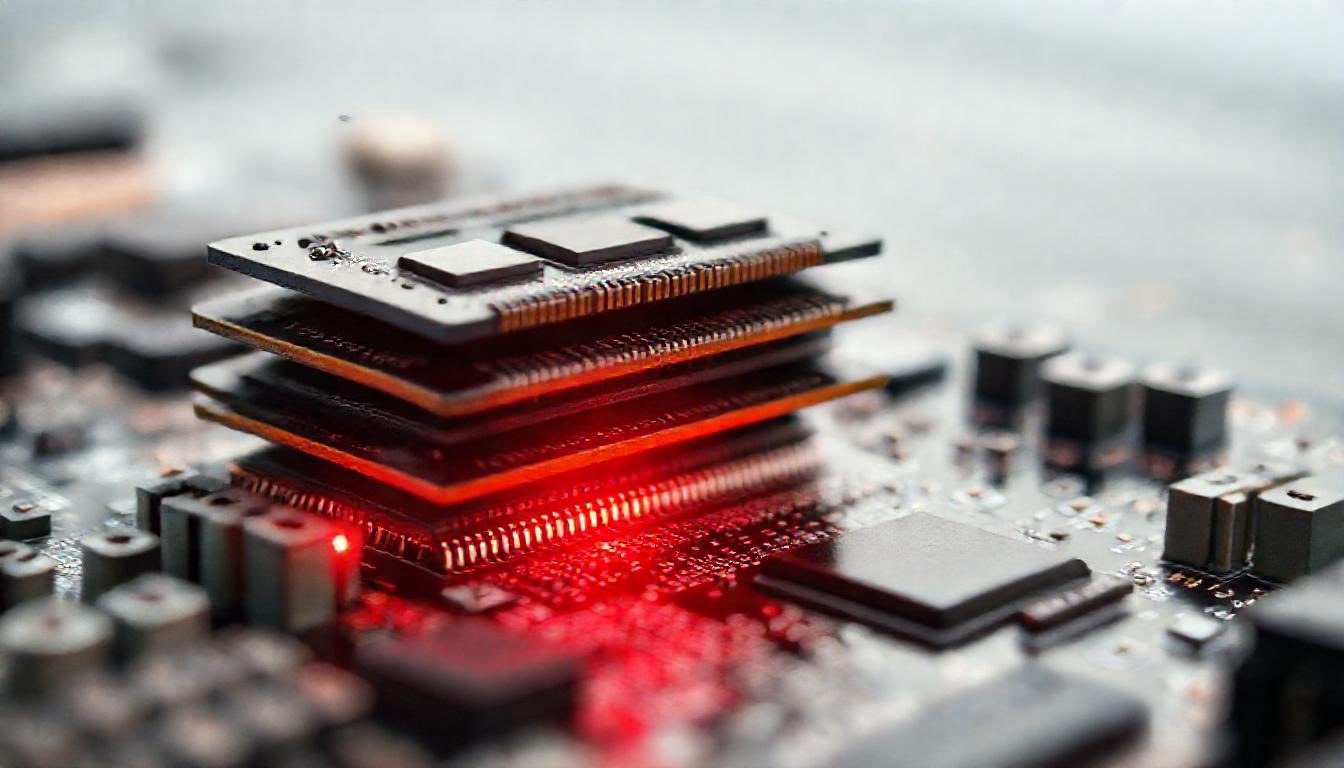
HBM stacks vertically integrated DRAM dies directly onto the processor package, delivering massive bandwidth with lower power consumption per bit. This architecture is essential for training large language models where memory access latency dictates processing speed. Conversely, GDDR relies on wider but slower parallel channels on the board itself. While GDDR7 offers faster clock speeds and higher density than its predecessor, GDDR6, it cannot match the sheer aggregate bandwidth of an HBM3E stack.
For enterprise-scale AI clusters, power constraints are becoming severe. Hyperscalers often face grid limitations rather than chip availability. HBM’s superior energy efficiency makes it the default choice for dense training nodes, despite its significantly higher cost. Investors must recognize that GDDR-based solutions often struggle to scale without exploding power demand, rendering them less viable for centralized U.S. data centers.
Cost Structures and Supply Chain Risks
The economic disparity between these memory standards is stark. HBM production is complex, involving advanced packaging techniques like silicon through-silicon vias (TSVs). This complexity restricts supply and drives prices up, often costing multiple times more per gigabyte than standard memory. GDDR, by contrast, benefits from mature manufacturing lines and high-volume consumer electronics demand, including gaming consoles and automotive displays. This results in greater price stability and availability.
HBM offers raw performance per watt, but GDDR provides supply chain resilience and lower capital expenditure for inference workloads.
U.S. companies prioritizing rapid deployment may find GDDR7 attractive for edge inference or smaller models. However, the supply chain for HBM remains concentrated among a few dominant manufacturers, creating geopolitical risk. Diversifying hardware portfolios with GDDR-based accelerators can mitigate exposure to potential HBM production shortages.
Strategic Implications for U.S. Infrastructure
The choice between memory standards affects return on invested capital (ROIC) for tech firms. High-end AI accelerators utilizing HBM3E command premium valuations but require substantial maintenance and replacement cycles due to their complexity. GDDR7-based hardware offers a lower entry cost, making it suitable for startups and decentralized computing networks.
Key factors for investors include:
- Power Density: HBM allows higher compute per rack unit, crucial for space-constrained facilities.
- Upgrade Cycles: GDDR hardware has longer viable lifespans for non-frontier models.
- Access to Capital: Premium HBM chips require higher upfront costs, impacting cash flow.
For official data and guidance on this topic, see Semiconductor Industry Association.
Key Takeaways
- HBM3E vs GDDR7 defines the split between high-cost training infrastructure and lower-cost inference solutions.
- HBM provides superior bandwidth and power efficiency but suffers from supply constraints and high costs.
- GDDR7 offers better price stability and supply availability, making it ideal for edge AI and smaller models.
- U.S. investors should monitor memory supply chains as a key indicator for hardware valuation risks.


Comments (7)