
The relentless growth of AI training clusters is exposing a critical physical limitation in data center architecture. For decades, the industry relied on pluggable optical transceivers, small modules that convert electrical signals to light at the edge of a switch. But as bandwidth demands triple with each generation, this approach is failing. The solution gaining traction among hardware architects is co-packaged optics, a technology that integrates optical engines directly with the silicon switch ASIC. This shift promises to slash power consumption and increase bandwidth density, but it also raises the stakes for supply chain resilience and capital expenditure planning in the U.S. market.
Why Co-Packaged Optics Are Needed
Current hyperscale data centers are running out of space and power. A typical high-capacity network switch today might require 500 watts of power just for the optical components. As clusters scale to support trillion-parameter models, this overhead becomes untenable. Analysts estimate that by late 2026, electricity costs for networking hardware could rival those of the compute nodes themselves if the status quo persists. The physical distance between the electrical chip and the optical transceiver introduces latency and signal degradation, forcing engineers to use more energy-intensive precision signaling. Co-packaged optics eliminate this gap, reducing electrical loss and allowing for significantly higher bandwidth per dollar.
The transition is not merely about speed; it is about thermal management. Heat generated by pluggable optics is difficult to dissipate in dense rack environments. By moving the optical conversion closer to the heat source, manufacturers can implement more efficient liquid cooling systems. This integration is vital for the next wave of AI infrastructure, where rack densities are expected to double within the next 18 months.
Manufacturing Hurdles for U.S. Investors
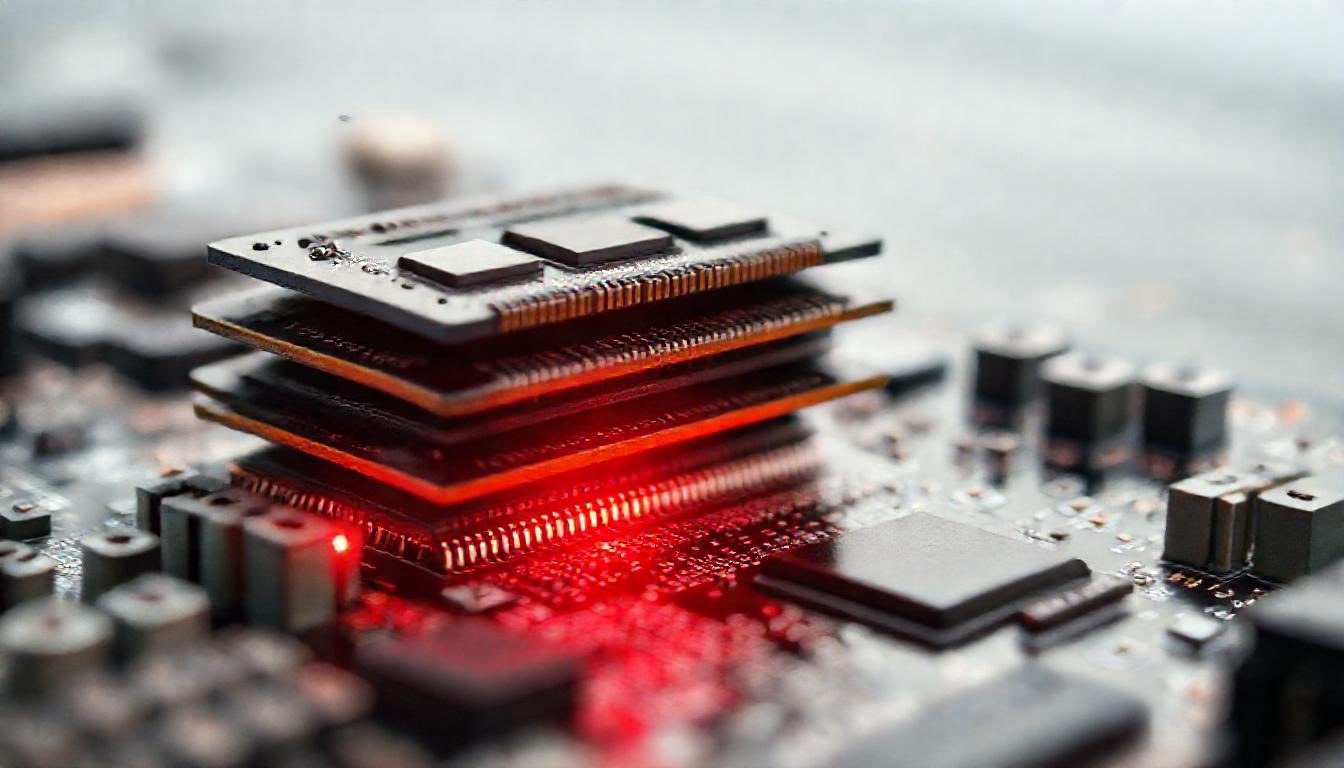
While the physics are sound, the manufacturing reality is complex. Co-packaged optics require advanced packaging techniques that few suppliers can execute at scale. The yield rates for these integrated modules remain lower than traditional pluggable ones, meaning that production costs are currently higher. For venture capital and private equity firms focused on hardware startups, the risk profile has shifted from software-like scalability to deep-tech manufacturing constraints.
Key challenges include:
- Supply Chain Concentration: The necessary sub-components, such as laser arrays and fiber attach units, are sourced from a limited number of specialized suppliers, creating single points of failure.
- Repairability: Unlike pluggable optics, which are field-replaceable units, co-packaged modules are integrated into the switch chassis. If one optical engine fails, the entire board may need replacement, increasing total cost of ownership.
- Standardization Gaps: The industry lacks a unified standard for optical interfaces in co-packaged systems, leading to vendor lock-in scenarios that disadvantage buyers.
“The move to co-packaged optics is inevitable, but the timeline for mainstream adoption is likely slower than the hype suggests due to manufacturing yield issues.”
Strategic Implications for Hardware Portfolios
For American entrepreneurs and investors, the rise of co-packaged optics signals a broader trend: the end of modular hardware flexibility in favor of vertically integrated performance. Companies that control both the silicon and the optical packaging stack will likely capture the most value. This favors giants with established manufacturing infrastructure, such as Nvidia and Marvell, while potentially marginalizing smaller component vendors who cannot afford the capital expenditure required for advanced packaging lines.
Investors should scrutinize the total cost of ownership models presented by hardware vendors. While the upfront cost of co-packaged switches is higher, the reduction in power consumption and cooling requirements may offer a favorable payback period for hyperscalers. However, for mid-sized enterprises, the lack of repairability could lead to expensive downtime, making the ROI less certain.
For official data and guidance on this topic, see NIST.
Key Takeaways
- Co-packaged optics remove the bottleneck of pluggable transceivers, offering higher bandwidth and lower power consumption for AI clusters.
- Manufacturing yields and repairability remain significant barriers to immediate widespread adoption.
- The shift favors vertically integrated hardware giants, potentially squeezing out smaller optical component suppliers.
- U.S. investors must weigh the long-term energy savings against the higher capital costs and reduced flexibility in maintenance.
- Standardization efforts are currently fragmented, creating risks for early adopters in the enterprise sector.
Comments (5)