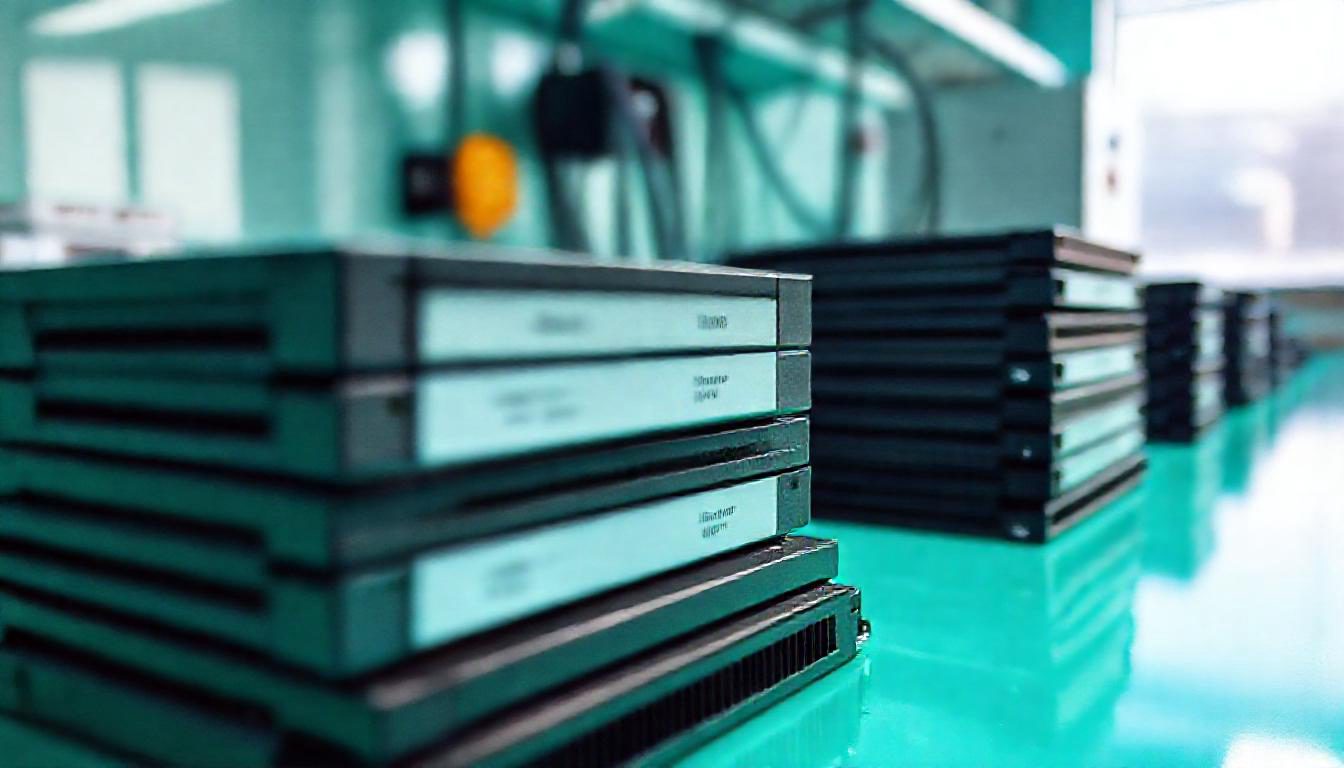
As AI workloads intensify across the U.S. market, the infrastructure supporting these systems faces unprecedented pressure. While GPUs dominate headlines, the storage layer often creates the bottleneck that stifles throughput. Effective enterprise SSD selection determines whether an AI cluster runs efficiently or idles while waiting for data. For investors and operations managers, understanding the nuances of SSD endurance ratings is no longer optional—it is a core component of ROI calculation.
Why AI Workloads Break Traditional Storage
AI training and inference require massive, parallel read operations. Large language models (LLMs) and generative AI tools ingest terabytes of unstructured data. Traditional consumer-grade or even standard commercial SSDs cannot sustain the input/output operations per second (IOPS) required for these tasks. In U.S. data centers, the shift from HDDs to all-flash arrays is accelerating, but not all flash is created equal. The specific type of NAND flash, the controller architecture, and the firmware optimization all dictate performance under sustained load.
The Endurance vs. Capacity Trade-Off
One of the most critical metrics in enterprise SSD selection is Drive Writes Per Day (DWPD). AI workloads are write-intensive during the training phase, particularly when checkpointing model weights. If the SSD endurance ratings are too low, drives fail prematurely, leading to costly downtime and data loss risks.
High-endurance drives cost more upfront but reduce total cost of ownership (TCO) by minimizing replacement cycles and maintenance labor.
Operations teams must balance capacity needs against SSD endurance ratings. A standard 3 DWPD drive may suffice for general virtualization, but AI training clusters often require 10 DWPD or higher. This impacts the physical footprint of the data center, as fewer high-capacity drives are needed to meet the same write thresholds.
SSD Endurance Ratings for 2026 Hardware Specs
When evaluating hardware for Q4 deployments, focus on these four pillars:
- Interface Speed: PCIe Gen 5 is becoming the standard for new builds, offering double the bandwidth of Gen 4. Ensure your server backplanes support this to avoid future-proofing issues.
- Form Factor: EDSFF (Enterprise and Data Center SSD Form Factor) drives, particularly E1.S and E1.L, are gaining traction in U.S. hyperscale facilities. They offer better thermal management and higher density compared to traditional 2.5-inch or U.2 drives.
- Latency Consistency: Look for drives that advertise 99.999th percentile latency, not just average. AI jobs are batch-processed; a single slow read can stall an entire parallel batch.
- Data Protection: Power-loss protection is non-negotiable. Without it, a grid fluctuation can corrupt in-flight data, a common risk in regions with strained power infrastructure.
Read also: Intel 18A Clause: How Node Delays Impact US Investors · ASIC vs GPU: Choosing AI Hardware for US Startups
Cost-Per-Terabyte Realities
For American entrepreneurs and CFOs, the sticker price per unit is misleading. The true metric is dollars per terabyte of usable capacity per year, factored in power consumption and cooling requirements. Newer drives with higher areal density reduce the number of physical units needed, lowering both CAPEX and OPEX. However, the premium for drives with high SSD endurance ratings can be 20–30% higher than standard enterprise SSDs. Investors must model these costs against expected utilization rates. If a cluster is not fully utilized, over-provisioning storage endurance becomes a sunk cost.
Vendor Lock-In and Interoperability
A major risk in enterprise SSD selection is proprietary hardware dependencies. Some vendors bundle storage controllers with specific server platforms, creating lock-in that inflates refresh costs. Opting for standards-compliant drives ensures interoperability across different server OEMs. This flexibility is crucial for startups that may pivot hardware vendors as they scale. Furthermore, open-source firmware efforts are emerging, though adoption remains low in large-scale U.S. deployments due to liability concerns.
For official data and guidance on this topic, see Semiconductor Industry Association.
Key Takeaways
- Prioritize SSD endurance ratings that match your specific AI training or inference workload intensity.
- Evaluate EDSFF form factors for better thermal efficiency and density in modern racks.
- Calculate TCO based on cost-per-TB of usable capacity, including power and cooling overhead.
- Avoid proprietary lock-in by selecting standards-compliant drives for long-term flexibility.

Comments (4)