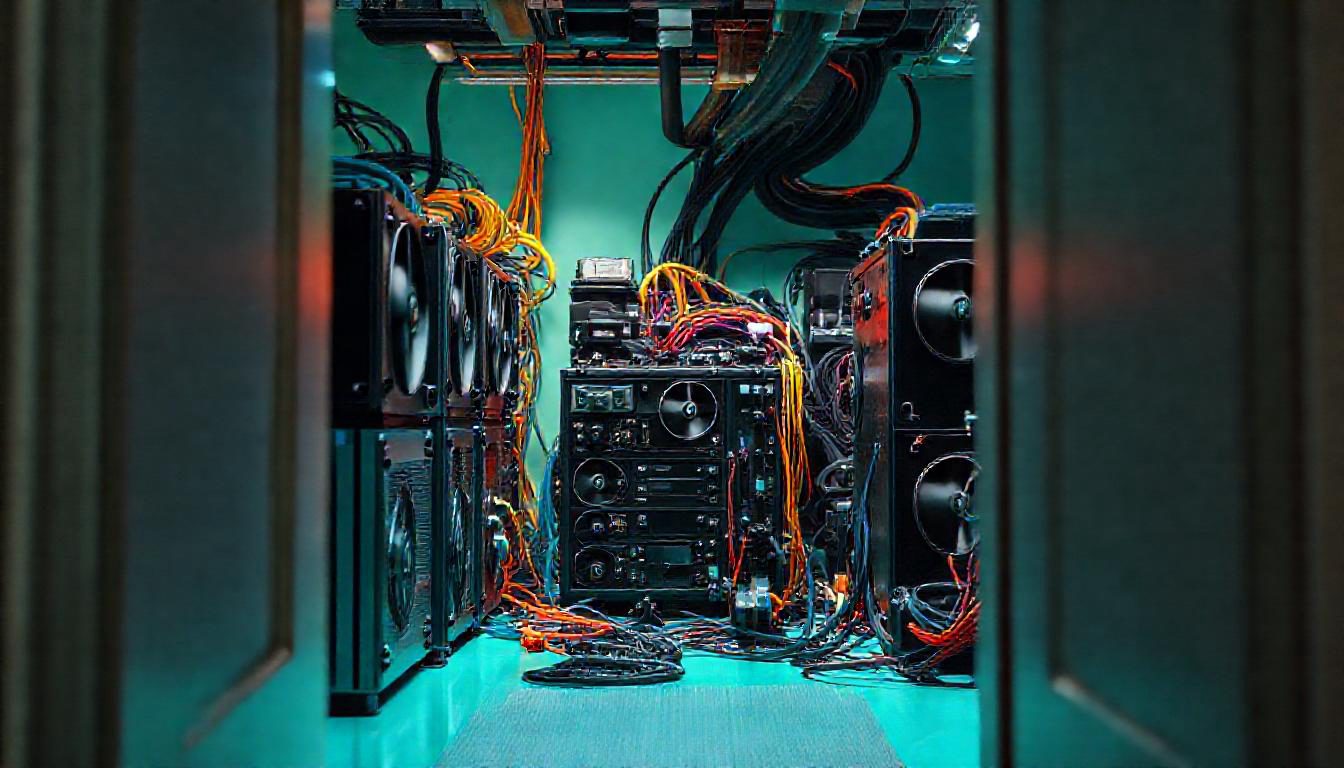
The economics of cryptocurrency production are shifting beneath the feet of U.S. miners. While Bitcoin ETFs have brought liquidity to the price side, the cost side of the ledger is becoming unforgiving. For entrepreneurs and investors eyeing mining infrastructure in 2026, understanding the rapid depreciation of Bitcoin mining hardware is no longer optional; it is the single greatest risk factor in the sector. The era of “set it and forget it” is over. Today, an outdated rig is not just less profitable—it is actively losing money compared to the cost of electricity.
Bitcoin Mining Hardware Lifespans Are Shrinking
Historically, Application-Specific Integrated Circuit (ASIC) miners lasted three to five years. That window has collapsed. In the first half of 2026, the pace of efficiency gains from top-tier manufacturers has forced a cycle of obsolescence that mirrors high-frequency trading servers more than traditional industrial equipment. When network difficulty increases, hash rate per watt becomes the only metric that matters. Older machines, even those that were profitable during the 2024 halving, now struggle to cover their power bills in regions with average U.S. industrial electricity rates.
For U.S. investors, this creates a capital intensity problem. You must deploy cash to upgrade or face margin erosion. The “efficiency race” means that holding onto hardware is a poor strategy. It is better to treat mining rigs as short-lived assets, depreciating them over 18–24 months rather than the traditional five-year tax schedule. This shift requires a different accounting approach and a more aggressive capital expenditure plan.
The Energy Efficiency Gap
The disparity between the latest generation of miners and those purchased two years ago is stark. Consider the following comparison of operational economics:
| Metric | 2024 Model | 2026 Premium Model |
|---|---|---|
| Hash Rate | 200 TH/s | 450 TH/s |
| Power Consumption | 3,200 W | 4,500 W |
| Efficiency (J/TH) | 16 | 10 |
| Relative Profitability | Low | High |
As table data shows, the 2026 model delivers more than double the hash rate for only a 40% increase in power consumption. In a spot market where energy prices fluctuate, this efficiency buffer is the difference between profit and loss.
Regional Power Dynamics and Bitcoin Mining Hardware Strategy
U.S. geography dictates hardware viability. In Texas, where grid integration is mature and prices can drop to negative during peak renewable generation, even mid-tier hardware can remain profitable for short bursts. However, in regions with higher baseline power costs, such as parts of the Northeast or the Pacific Northwest, only the most efficient ASICs survive. Investors must match their hardware strategy to their energy contract.
A critical lesson from recent market movements is the danger of “standardized” mining. Hardware that cannot quickly shut down or modulate power usage is a liability. Grid operators increasingly demand flexibility. If your Bitcoin mining hardware cannot respond to demand-response signals, you may face penalties or be forced off the grid during high-load events. This is why newer rigs with advanced power management firmware are preferred by institutional players.
Strategic Recommendations for U.S. Operators
For entrepreneurs entering this space, the barrier to entry has raised significantly. It is no longer about buying cheap boxes. It is about securing energy infrastructure and pairing it with cutting-edge technology.
“The fastest way to lose money in mining today is to buy yesterday’s efficiency at today’s price.”
- Prioritize Efficiency Over Cost: Do not buy the cheapest rig. Buy the one with the lowest Joules per Terahash. The ROI on efficiency gains outweighs the initial premium.
- Plan for Short Lifecycles: Assume your hardware will be obsolete in 24 months. Structure your capital expenditures accordingly.
- Hedge Energy Costs: Pair hardware investments with renewable PPAs (Power Purchase Agreements) to lock in rates and ensure grid stability.
For official data and guidance on this topic, see Commodity Futures Trading Commission.
Key Takeaways
- Bitcoin mining hardware depreciation is accelerating, with lifespans shrinking to under two years.
- Efficiency (J/TH) is the primary determinant of profitability in high-cost energy regions.
- U.S. investors must treat mining rigs as short-term capital assets, not long-term infrastructure.
- Grid flexibility and demand-response capabilities are now essential features for viable hardware.

Comments (1)