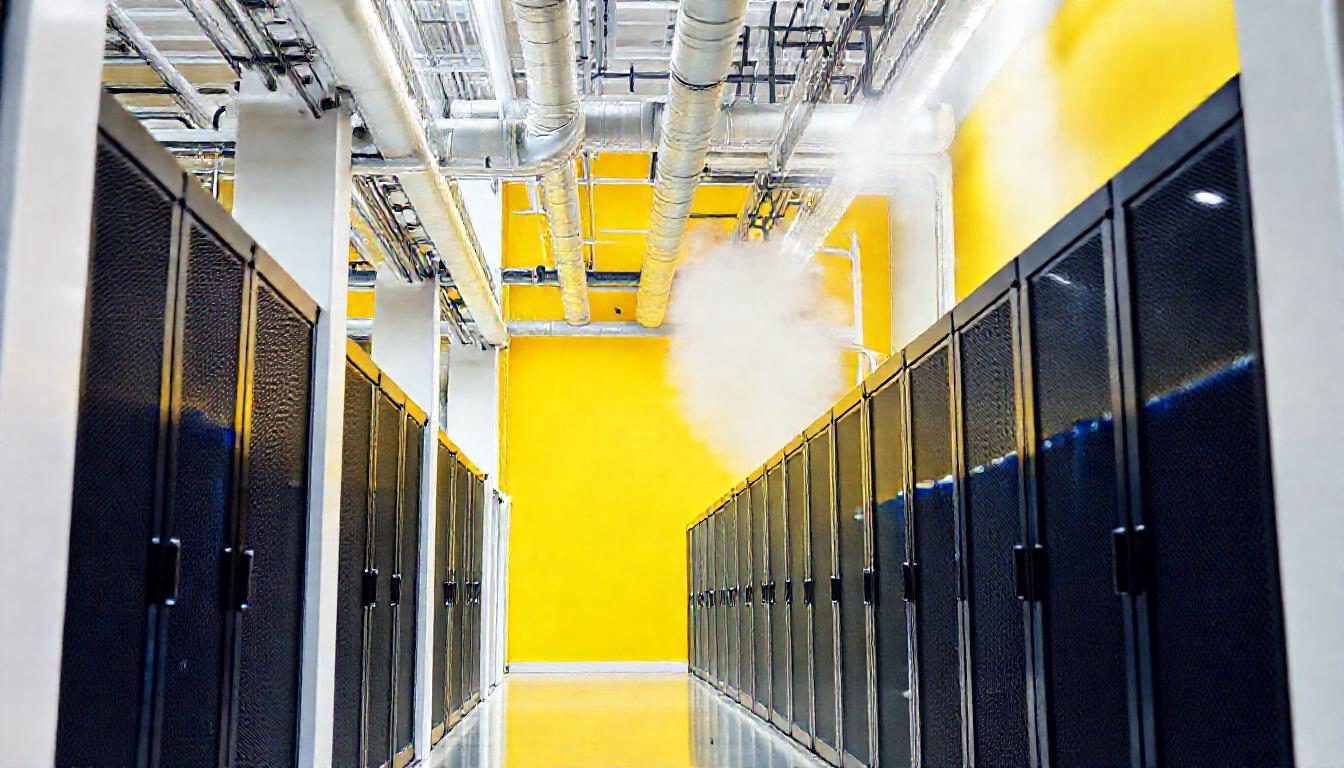
The Economic Imperative of Thermal Recovery
Heading into Q4 2026, the Bitcoin mining industry in the United States faces a stark reality: energy costs remain the dominant variable in profitability. With network difficulty consistently climbing and the post-halving subsidy reduced to 3.125 BTC per block, miners can no longer rely on sheer hash power alone. They must optimize every kilowatt-hour. The most effective lever available today is not faster chips or cheaper land, but thermal efficiency. By capturing the waste heat from Application-Specific Integrated Circuits (ASICs) and directing it into local district heating systems, miners generate bitcoin heating revenue to fundamentally alter their unit economics. This strategy transforms a pure cost center into a diversified revenue stream, offering a hedge against Bitcoin’s notorious volatility while aligning with broader U.S. sustainability goals.
How Bitcoin Heating Revenue Works in Practice
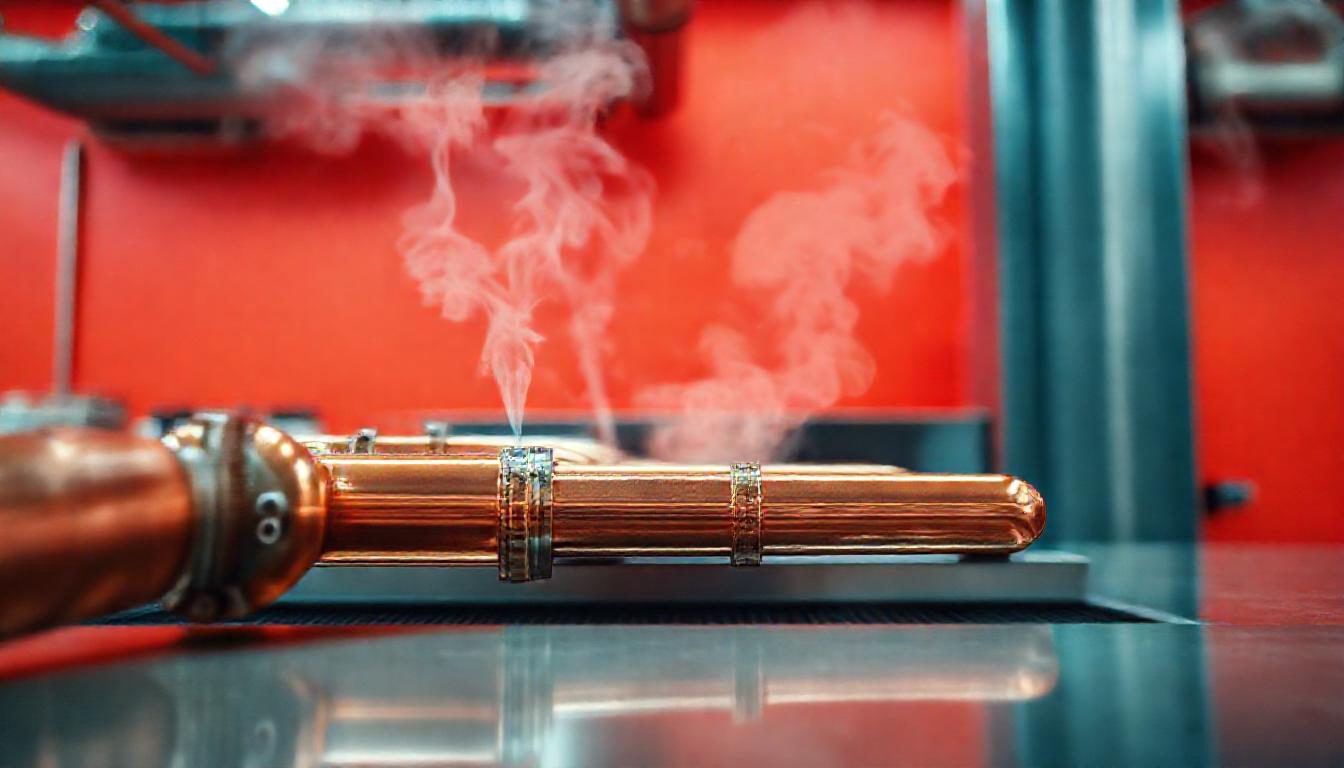
The process is technically straightforward but logistically complex. Traditional air-cooled mining rigs dissipate heat into the atmosphere, representing a massive loss of potential energy. Instead, specialized immersion cooling units or heat exchangers capture this thermal output at temperatures between 60°C and 90°C. This heated fluid is then pumped into a nearby district heating loop. For American municipalities or industrial campuses, this provides low-carbon hot water for space heating or industrial processes. The miner sells this thermal energy at a discounted rate compared to natural gas or electricity-based heating, creating a win-win scenario. The miner reduces its effective electricity cost through bitcoin heating revenue sales, while the local grid reduces its carbon footprint and heating bills. This model requires proximity; miners must be located near existing or planned heating infrastructure, which has concentrated recent development in regions like the Pacific Northwest and parts of Texas.
“Energy is the single largest input cost for a miner. If you can resell 20% of that energy as heat, your break-even price on Bitcoin drops dramatically.”
Regulatory and Infrastructure Headwinds
Despite the economic appeal, the U.S. rollout of miner-supported district heating faces significant hurdles. First, the energy grid is fragmented. Unlike Europe’s dense, pre-existing district heating networks, most American cities rely on individual natural gas furnaces or electric heat pumps. Retrofitting infrastructure requires substantial capital expenditure and long-term contracts, often spanning 10 to 20 years. Bitcoin miners, however, operate in a cyclical market with uncertain future cash flows. Banks are often reluctant to finance such projects due to the correlation risk between Bitcoin’s price and the miner’s ability to maintain operations. Second, regulatory ambiguity persists. While the SEC and IRS have provided clarity on asset classification, local zoning laws regarding heat transfer and water usage vary wildly by municipality. In some states, miners are classified as industrial users, triggering higher tariffs or stricter environmental reviews. This patchwork of regulations slows adoption and increases the cost of due diligence for investors looking to deploy capital in these hybrid energy-crypto facilities.
Impact on U.S. Investors and Market Dynamics
For institutional investors and U.S. entrepreneurs, the rise of thermal recovery represents a maturation of the mining sector. It signals a shift from speculative horse-racing to utility-based infrastructure. Publicly traded miners that successfully integrate heat sales report higher margins and lower volatility in their earnings. This makes them more attractive to traditional energy ETFs and ESG-focused funds, which previously shunned crypto due to environmental concerns. Furthermore, as the Federal Reserve maintains higher interest rates into 2027, the ability of a mining company to generate consistent bitcoin heating revenue becomes a critical credit metric. Lenders are now scrutinizing the contracted heat offtake agreements as collateral. This dynamic forces miners to adopt more conservative financial practices, stabilizing the broader crypto market by reducing the incentive for forced selling during downturns. The integration of miners into the local utility mix also positions them as essential partners in grid balancing, potentially securing preferential power rates during peak demand periods.
Key Takeaways
- Revenue Diversification: Selling waste heat creates a secondary income stream that is uncorrelated with Bitcoin price, stabilizing cash flows.
- Margin Expansion: By offsetting energy costs, miners can operate profitably at lower Bitcoin prices, extending the economic viability of older hardware.
- Infrastructure Bottlenecks: Success depends on proximity to existing district heating grids; retrofitting new infrastructure is capital-intensive and slow.
- ESG Alignment: Thermal recovery mitigates the environmental impact of mining, improving access to traditional institutional capital and ESG funds.
- Regulatory Complexity: Investors must navigate local zoning and utility regulations, which vary significantly across U.S. states and municipalities.
FAQ
Can all Bitcoin miners sell heat?
No, only miners with specific cooling infrastructure, such as immersion tanks or high-capacity heat exchangers, can capture waste heat. Additionally, they must be located near industrial or municipal heat consumers to make the logistics viable.
Does selling heat affect mining performance?
Generally, no. In fact, liquid cooling systems that capture heat often operate ASICs more efficiently by maintaining optimal temperatures, potentially allowing for higher clock speeds and better energy-per-hash ratios.
Is this common in the United States?
Adoption is growing but remains niche compared to Europe. Most U.S. projects are currently pilot programs or located in regions with existing industrial heat demand, such as data center clusters in Texas or geothermal hubs in the Northwest.
What happens if Bitcoin prices crash?
Miners with heat contracts are better protected because they retain a portion of their revenue from energy sales. However, if the price drops below the cost of production, even these miners may pause operations, which could disrupt heat supply if long-term backup plans are not in place.
Read also: U.S. Stablecoin Act: How Federal Legislation Will Reshape Crypto Markets · Ethereum Staking Rewards: 2026 Impact on U.S. Institutional Portfolios
For official data and guidance on this topic, see U.S. Securities and Exchange Commission.


Comments (0)
No comments yet. Be the first to share your view.