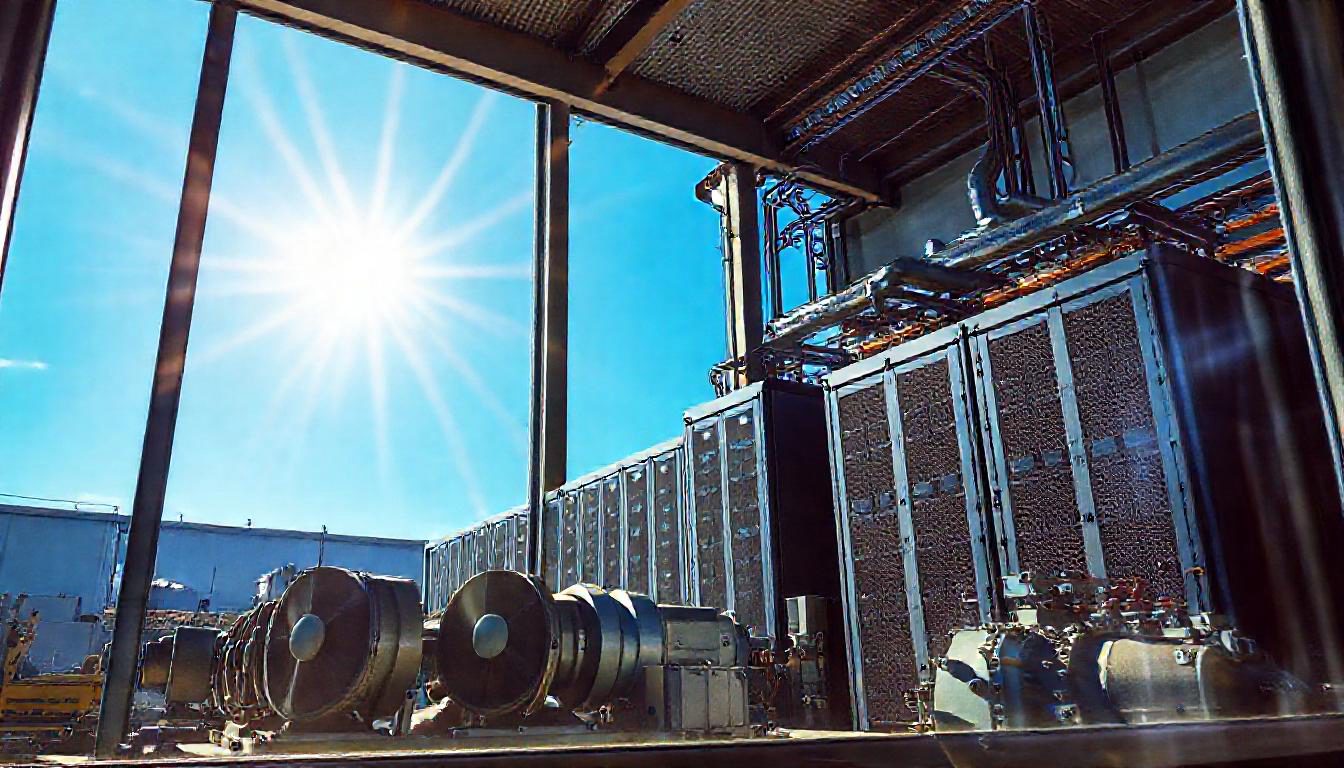
The convergence of cryptocurrency mining and energy infrastructure is reshaping the American power landscape. As grid reliability wobbles and demand spikes, a new economic reality is emerging. Bitcoin grid arbitrage allows miners to sell power to the broader grid rather than burning through energy to secure the blockchain. This shift moves miners from being passive energy consumers to active grid assets. For U.S. investors, understanding this pivot is critical as energy costs and grid constraints become central themes in crypto economics heading into the final quarter of 2026.
Why Miners Are Curtailing Production
Bitcoin mining is an inherently flexible load. If electricity costs rise or the grid becomes constrained, miners can pause operations without damaging hardware. This flexibility allows miners to act as a shock absorber for the power grid. When demand peaks and prices surge, miners shut down. In some cases, they sell their allocated power back to the grid, effectively becoming energy brokers. This phenomenon, where Bitcoin grid arbitrage drives miners to sell power, is becoming a strategic move to maximize revenue and support grid stability. The ability to curtail production transforms a fixed cost structure into a variable profit engine, aligning financial incentives with physical grid needs.
How Bitcoin grid arbitrage works in U.S. energy markets
The U.S. grid faces significant pressure from industrial growth, electrification, and the rapid expansion of data centers. Adding traditional, non-flexible loads exacerbates these tensions. Miners bridging this gap by shedding load during critical hours provides breathing room for utilities. In Texas, a hotbed for both energy production and crypto mining, this dynamic has already proven its worth. During extreme weather events, miners aborting their operations prevented grid failures while allowing the local power infrastructure to maintain stability.
For market participants, this means mining is no longer viewed solely as a drain on resources. Analysts estimate that the value of this grid balancing service could reach hundreds of millions annually as the technology becomes more widespread. This dynamic also influences the viability of mining operations in regions with high energy costs. Operators must negotiate complex contracts with utilities to monetize their load flexibility.
Read also: Bitcoin Miners Sell Power: How Grid Impact Shapes Crypto Economics · Bitcoin ETF Options Trading: 2026 Impact on U.S. Investors
How Grid Constraints Reshape Crypto Economics
The economics of mining revenue are shifting from simple block rewards and transaction fees to a more complex model that incorporates energy arbitrage. By selling power, miners can generate revenue even when they are not producing coins. This reduces the risk of operating in volatile energy markets. If grids remain constrained, miners who fail to secure flexible power contracts will face existential challenges.
| Revenue Stream | Traditional Mining Model | Grid-Integrated Mining Model |
|---|---|---|
| Primary Source | Block rewards & fees | Block rewards & fee & Power sales |
| Grid Impact | High fixed demand | Flexible, curtailment-ready |
| Risk Factor | Strict energy cost volatility | Utility contract complexity |
| Capital Need | Hardware & facilities | Hardware + Utility partnerships |
The pivot toward grid integration changes the fundamental nature of mining operations. Miners must now employ sophisticated energy traders to forecast demand and curtailment prices. This requires significant capital and infrastructure investment, raising the barrier to entry for smaller, less sophisticated operators.
Regulatory Hurdles and Investment Strategy
Navigating the regulatory landscape for Bitcoin grid arbitrage operations presents unique challenges. Federal and state-level policies regarding grid integration and energy trading are still evolving. In the U.S., regulators scrutinize the energy consumption of large-scale industries. However, because miners are actively contributing to grid stability by curtailment, regulators may view them favorably as a solution to rising energy demands.
For investment professionals and entrepreneurs, the opportunity lies in the intersection of energy and crypto. The most attractive mining operations in the coming years will be those with deep integration into local utility markets. These operators will secure power contracts that offer high compensation for curtailment. In contrast, operators relying purely on cheap, unmanaged power sources face increasing risks as grid regulations tighten.
Key Takeaways
- Flexibility as an Asset: Bitcoin grid arbitrage enables miners to sell power during peak grid demand, transforming from energy consumers to grid stabilizers.
- Economic Shift: Mining profitability now includes energy arbitrage and grid balancing services, not just block rewards.
- Regulatory Opportunity: Grid contribution may lead to more favorable regulatory treatment for well-integrated mining firms.
- Mature Market Dynamics: The crypto sector’s integration with the energy grid signals a move toward sustainable, long-term infrastructure that appeals to institutional investors.
For official data and guidance on this topic, see Commodity Futures Trading Commission.
FAQ
Why do Bitcoin miners sell power?
Miners sell power to maximize profits during periods of high energy prices or grid emergency, leveraging their operational flexibility to act as financial arbitrageurs.
How does the U.S. grid affect mining operations?
Grid constraints and higher energy costs drive miners to seek out allocation quality power, rewarding those who offer flexibility and curtailment services to utilities.
Is this strategy sustainable long-term?
Yes, as grid demands rise due to AI and industrial electrification, miners providing flexible load management will find themselves increasingly integrated into critical energy markets.
What should investors look for?
Investors should prioritize mining operations with robust utility partnerships, transparent energy contracts, and proven histories of successful load curtailment and power sales.



Comments (4)