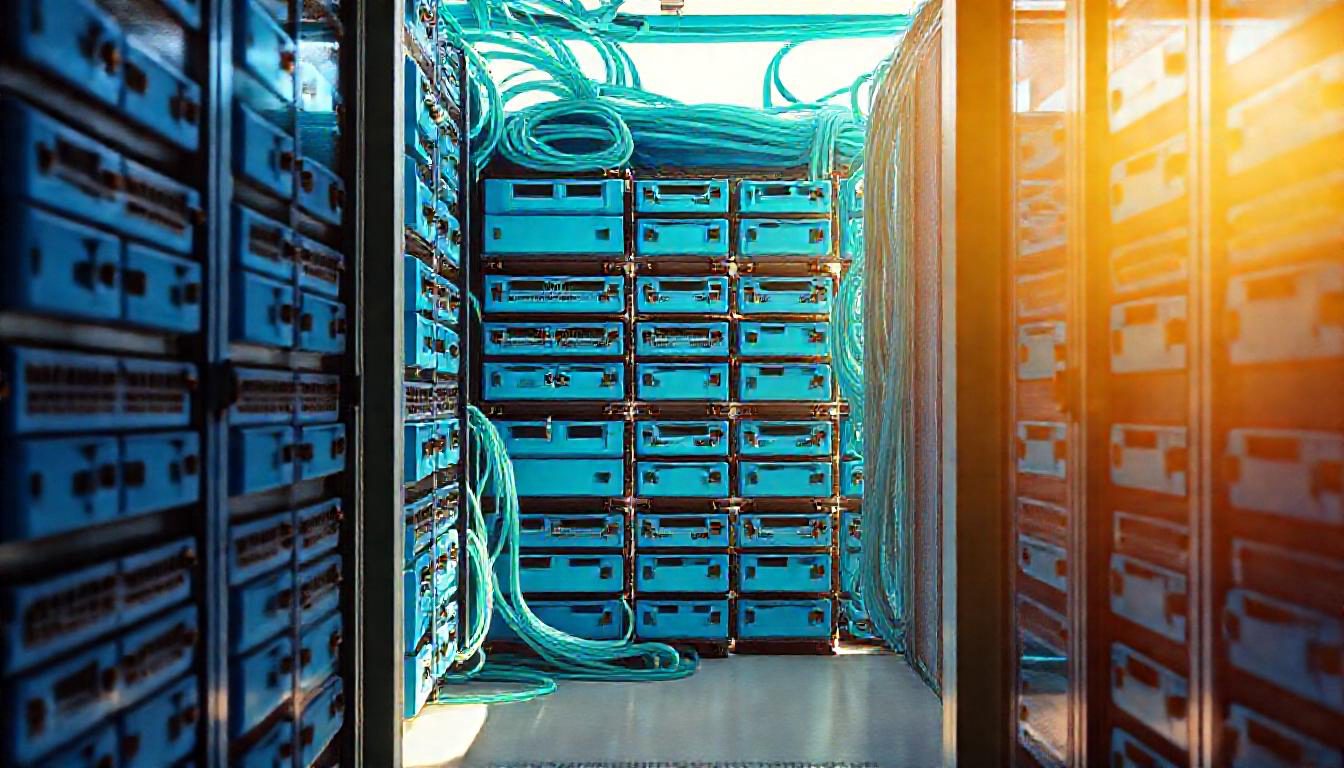
The narrative that Bitcoin miners are strictly digital gold prospectors is rapidly becoming obsolete. As of early 2026, a significant portion of the U.S. mining sector has transformed into energy arbitrage firms, aggressively pivoting toward high-performance computing for artificial intelligence. This shift is not merely a side project; it is rewriting the fundamental economic incentives of the blockchain industry. For American investors, understanding why Bitcoin miners pivot their operations and the role of AI compute leases is critical to valuing both crypto assets and the public equities backing the infrastructure.
The Economics of AI Compute Leases
Traditional Bitcoin mining is energy-intensive but computationally simple. The hardware does one thing: hash algorithms. In contrast, AI training and inference require massive parallel processing capabilities, often utilizing Graphics Processing Units (GPUs) rather than Application-Specific Integrated Circuits (ASICs). The bottleneck for AI firms is no longer just capital, but access to reliable, high-capacity electricity and physical space.
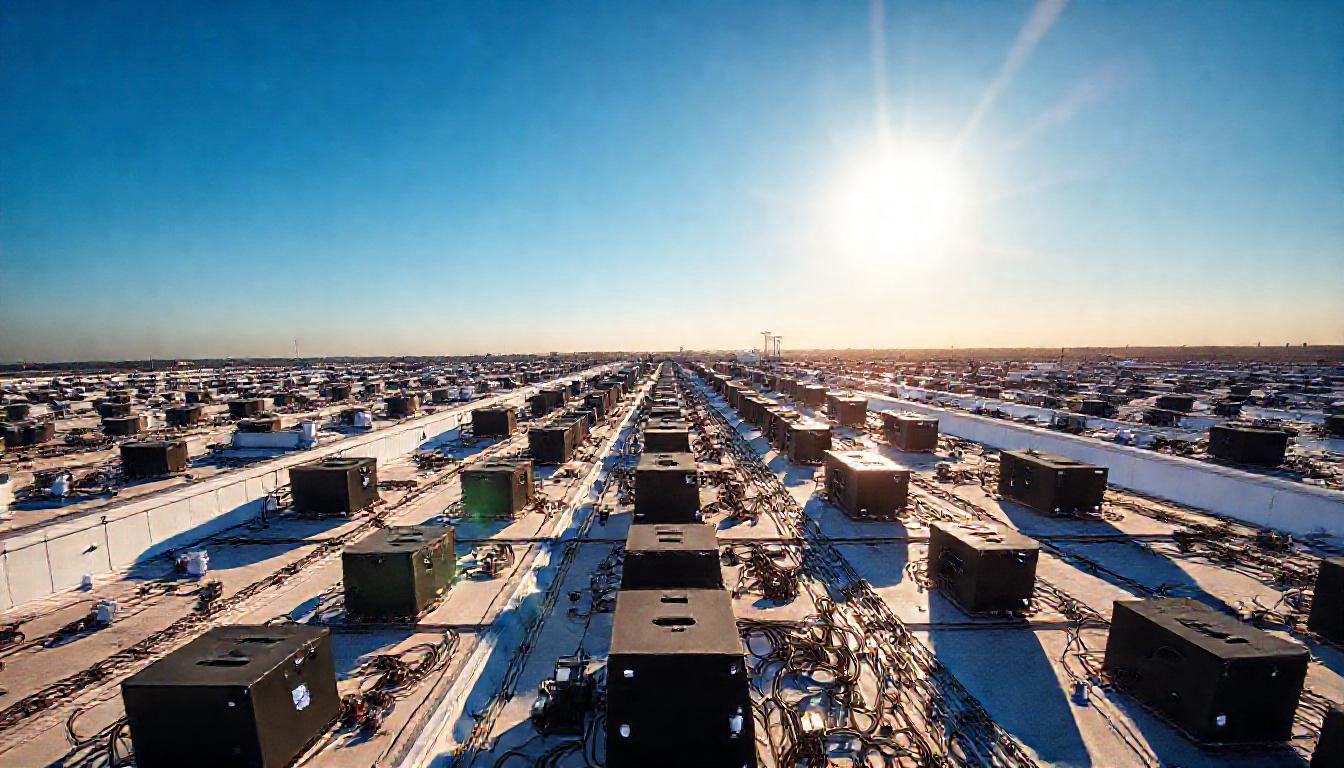
Mining facilities, particularly those in Texas and the Pacific Northwest, have already secured grid interconnections and excess power contracts that can take years for data center giants to replicate. By converting mining warehouses into AI data centers, operators leverage existing infrastructure. This strategy allows firms to capture higher margins from tech giants than from volatile crypto rewards. The result is a decoupling: mining profitability is no longer solely tied to Bitcoin’s price, but to the demand for AI compute leases.
Impact on Bitcoin Network Security and Price
A common concern among Bitcoin purists is that if miners sell off their hardware to serve AI workloads, the network’s security hash rate will drop. However, the current trend suggests a hybrid model. Many firms maintain ASICs for mining while installing GPU clusters for AI in adjacent racks.
This diversification actually strengthens the sector’s balance sheets. During bear markets, when Bitcoin prices drop and mining margins compress, revenue from AI compute leases provides a steady cash flow. This stability prevents the mass miner capitulation that previously led to sharp selloffs of Bitcoin reserves.
By diversifying revenue streams, mining firms reduce the correlation between their operational health and Bitcoin’s spot price, creating a more resilient ecosystem for long-term holders.
However, this shift introduces new risks. If the AI boom cools, these firms may have stranded assets. Conversely, if energy costs spike, the economics of both mining and AI hosting could deteriorate simultaneously, squeezing margins from both sides. Investors must watch the ratio of ASIC to GPU deployment in major hosting facilities.
Read also: Crypto Liquidity Pools: A DeFi Case Study for U.S. Yield · Bitcoin Hardware Custody: How to Secure Cold Storage
The New Regulatory Frontier for Crypto Infrastructure
The U.S. Securities and Exchange Commission (SEC) and the Federal Reserve are scrutinizing how these hybrid facilities are financed. When a mining company issues debt or equity to build a data center, is it a crypto company or a tech infrastructure company? The distinction matters for valuation and regulatory oversight.
Publicly traded miners like Riot Platforms and MARA Holdings have been forced to clarify their business models. Their 10-K filings now detail the percentage of revenue derived from non-mining activities. This transparency is reshaping Wall Street’s view. Analysts are no longer evaluating these firms on hash rate alone but on “compute yield per megawatt.”
For entrepreneurs, the opportunity lies in the intermediate layer. Software and consulting firms that help mining operators manage grid load balancing for AI workloads are becoming essential. The pivot creates a demand for specialized power management technologies that can switch a facility from mining mode to AI mode in real-time based on electricity prices.
Investment Opportunities and Risks
Investors looking to capitalize on this trend have several avenues, each with distinct risk profiles.
- Public Equities: Mining firms with established AI hosting contracts. Look for companies with long-term AI compute leases with hyperscalers like Microsoft or Amazon, which provide revenue visibility.
- Energy Utilities: Firms that supply power to these hubs. The grid services provided by miners now include demand response for AI loads, making utilities partners rather than just vendors.
- Hardware Manufacturers: Companies that produce GPUs or cooling systems compatible with mining facilities. Traditional ASIC makers are facing competition from versatile hardware providers.
The primary risk is technological obsolescence. AI hardware cycles are shorter than mining hardware cycles. A GPU cluster bought for AI today may need replacement in three years, whereas ASICs can run for longer if not replaced by newer, more efficient models. This capital intensity can erode the cash flow benefits of the pivot.
Key Takeaways
- Bitcoin miners are increasingly operating as hybrid energy-compute firms, leveraging existing infrastructure for AI workloads.
- This shift decouples miner revenue from Bitcoin’s price volatility, offering stability but introducing tech-sector risks.
- U.S. investors should evaluate mining equities based on compute yield and long-term AI compute leases rather than just hash rate.
- The regulatory environment is evolving to treat these firms as critical tech infrastructure, impacting how they are valued on Wall Street.
For official data and guidance on this topic, see Commodity Futures Trading Commission.
FAQ
Why are Bitcoin miners moving into AI?
They are leveraging existing power contracts and physical facilities to earn higher, more stable margins from AI compute demands than volatile crypto mining rewards.
Does this reduce Bitcoin network security?
Not necessarily. Most firms use a hybrid model, keeping ASICs for mining while adding GPUs for AI. Stable cash flows from AI may actually prevent miners from shutting down during price crashes.
How does this affect U.S. energy grids?
It increases demand for high-load industrial power. Miners acting as power brokers now negotiate complex demand-response agreements with utilities, stabilizing grid loads for broader industrial use.




Comments (1)