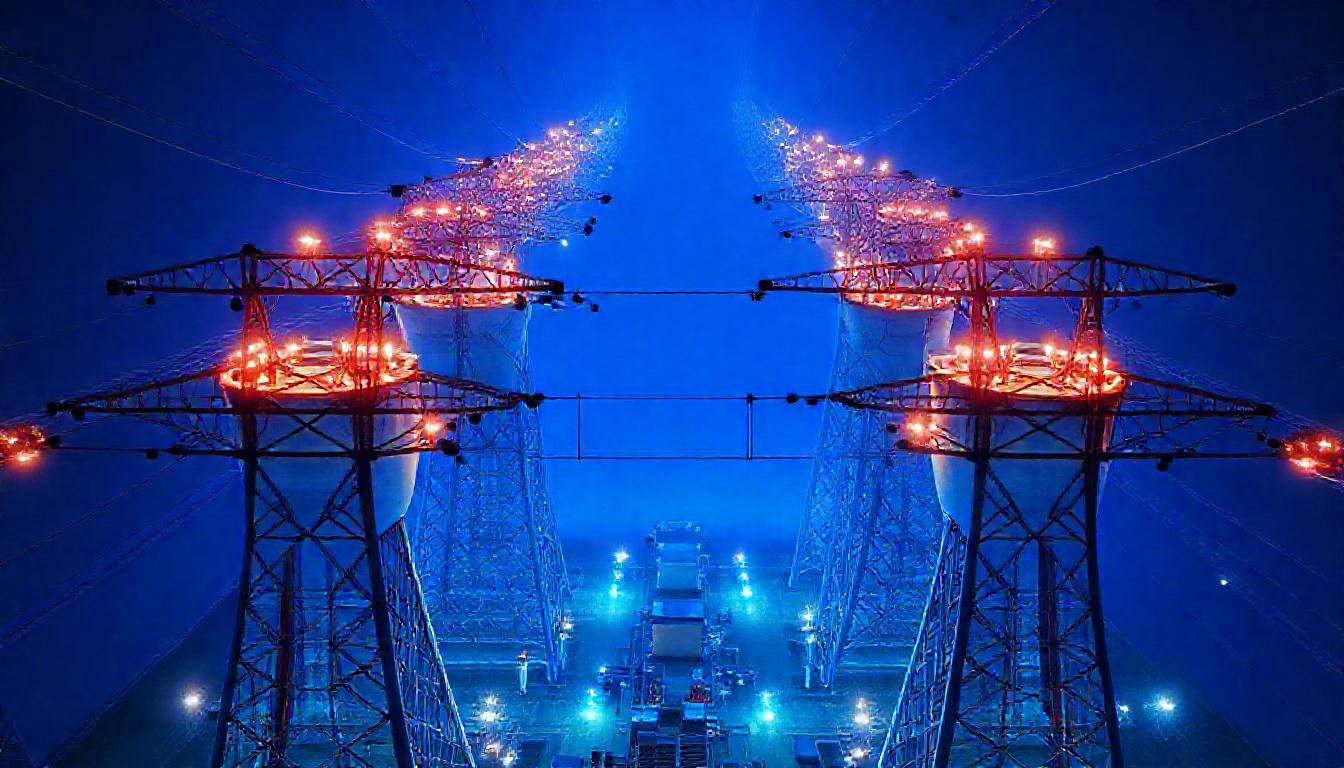
The conversation around AI hardware investment has shifted from chip availability to energy access. For years, the primary bottleneck was the supply of NVIDIA GPUs; today, it is the ability to secure gigawatts of stable electricity. As of May 2026, the most significant risk to grid limits AI hardware investment is not manufacturing yield but grid interconnection queues that stretch for years. This reality fundamentally alters the cost structure for data centers and the valuation models for neocloud providers.
The Power Constraint Reality
Data centers are effectively power plants with servers attached. The energy required to run high-density GPU clusters for training foundation models is immense, often exceeding the capacity of local utility infrastructure. In major U.S. hubs like Northern Virginia and parts of Texas, utilities are delaying new connections because the grid cannot handle the sudden load spikes. This creates a scarcity of authorized megawatts, driving up the price of power contracts and forcing developers to pay premiums for guaranteed access. Without this access, grid limits AI hardware investment becomes stranded capital.

Impact on Neocloud Economics
Neoclouds—specialized providers offering scalable AI compute—face a unique squeeze. Unlike hyperscalers like Microsoft or Amazon, they lack the balance sheet to build their own substations or long-term power plants. They rely on leasing capacity from third-party data centers that have already secured power. As these landlords raise prices to offset their own grid connection costs, neocloud margins compress. Investors must scrutinize whether a neocloud has locked in long-term power purchase agreements (PPAs) or if they are exposed to spot market volatility. A company without secured power is a house of cards waiting for the next heatwave or grid regulation.
Read also: Data Center Cooling Costs: A Guide to Liquid Investing · Neocloud Capacity Clause: Depreciation Impact on Hardware
Regulatory and Grid Modernization Hurdles
Federal and state regulations are trying to catch up. The Federal Energy Regulatory Commission (FERC) has introduced rules to prioritize large load customers, but implementation is slow. Meanwhile, states like Ohio and Virginia are debating zoning laws that limit new data centers due to noise and water consumption concerns. These regulatory delays add another layer of uncertainty to grid limits AI hardware investment. The timeline for getting a facility online has expanded from 18 months to 36 months or more, reducing the velocity of capital deployment.
Key Risks to Monitor
- Grid Interconnection Delays: Years-long waits for utility approval.
- Power Contract Volatility: Spot prices for electricity swinging wildly.
- Regulatory Zoning: Local opposition slowing new builds.
- Cooling Requirements: Water scarcity affecting thermal management.
Strategic Implications for grid limits AI hardware investment
For entrepreneurs and venture capitalists, the lesson is clear: hardware is only as good as the power behind it. Due diligence must extend beyond chip specs to energy infrastructure. Look for partners with vertical integration in energy or those located in regions with surplus renewable generation, such as parts of the Pacific Northwest or Texas Permian Basin. The winners in the next phase of AI infrastructure will not just be those with the best GPUs, but those who solved the energy equation first.
For official data and guidance on this topic, see NIST.
Key Takeaways
- Power scarcity is the new bottleneck for grid limits AI hardware investment, surpassing chip supply issues.
- Neocloud margins are at risk without long-term secured power contracts.
- Grid regulatory delays are extending deployment timelines by over a year.
- Investors must prioritize energy infrastructure expertise in AI hardware startups.
- Regional grid surplus areas offer better ROI for data center developers.

Comments (2)