
The battle for dominance in the Nvidia AMD AI chips sector has shifted from raw compute power to total cost of ownership. As of January 2026, the hype cycle has settled into a rigorous evaluation period for enterprise buyers. Wall Street analysts are no longer looking solely at peak TFLOPs; they are scrutinizing the ecosystem stickiness that protects margins. For American technology funds, the divergence in strategy between Santa Clara’s two giants defines the current market landscape.
Nvidia AMD AI Chips Ecosystem Lock-In as a Financial Moat
Nvidia’s Core Advantage Remains CUDA. Its proprietary software stack creates a switching cost that many CTOs find prohibitive. While Nvidia AMD AI chips compete on hardware specs, the software layer is where the real value accrues. Companies invested in CUDA workflows find migration to AMD’s ROCm platform time-consuming and risky. This inertia allows Nvidia to maintain premium pricing despite aggressive competition. Investors should view this not just as a tech advantage, but as a recurring revenue mechanism embedded in hardware sales.
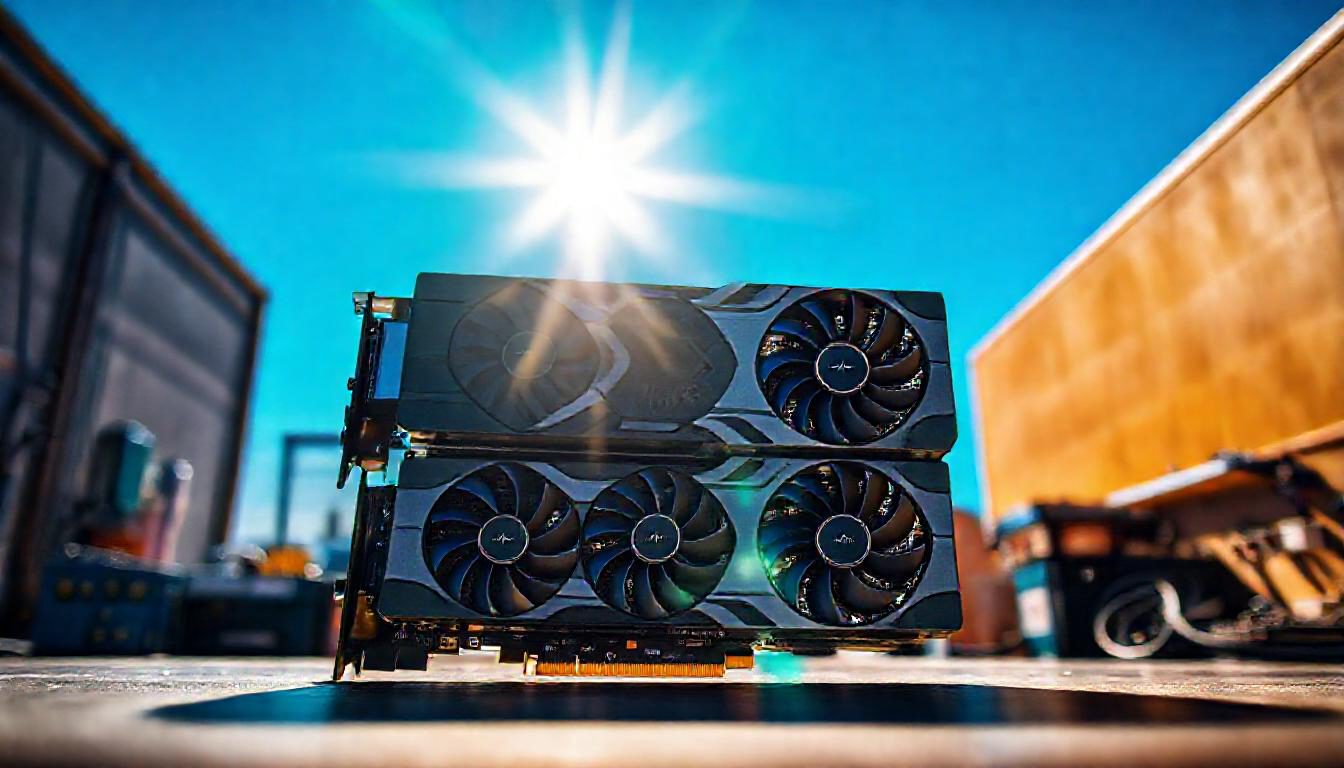
The Cost Efficiency Counter-Attack
AMD is targeting price-sensitive cloud providers and mid-tier enterprises. By offering competitive performance at lower price points, AMD captures volume where software lock-in is weak. The Nvidia AMD AI chips dynamic is now a test of elasticity. If economic pressure forces companies to cut capex, AMD’s cost-performance ratio becomes a compelling hedge against Nvidia’s pricing power. Key differentiators include:
- Lower acquisition costs for inference-heavy workloads
- Open-source compatibility initiatives reducing migration friction
- Strategic partnerships with hyperscalers seeking vendor diversification
Market Valuation and Risk Scenarios
Valuations reflect a bifurcated future. Nvidia trades on monopoly-like margins, while AMD trades on growth potential and market share recovery. The Nvidia AMD AI chips sector is sensitive to broader tech spending trends. Headwinds include supply chain normalization and the rise of custom silicon from big-tech firms. Investors must weigh the risk of commoditization against the durability of platform ecosystems.
The true measure of value in 2026 is not just who builds the faster chip, but who holds the keys to the software kingdom.
For official data and guidance on this topic, see Semiconductor Industry Association.
Key Takeaways
- Software is the Moat: Nvidia’s CUDA ecosystem continues to defend its premium pricing against Nvidia AMD AI chips hardware parity.
- Volume vs. Value: AMD gains traction in cost-conscious segments, challenging Nvidia’s dominance in total installed base.
- Investor Strategy: Diversified exposure mitigates risk, as both companies benefit from overall AI infrastructure growth despite direct competition.




Comments (2)