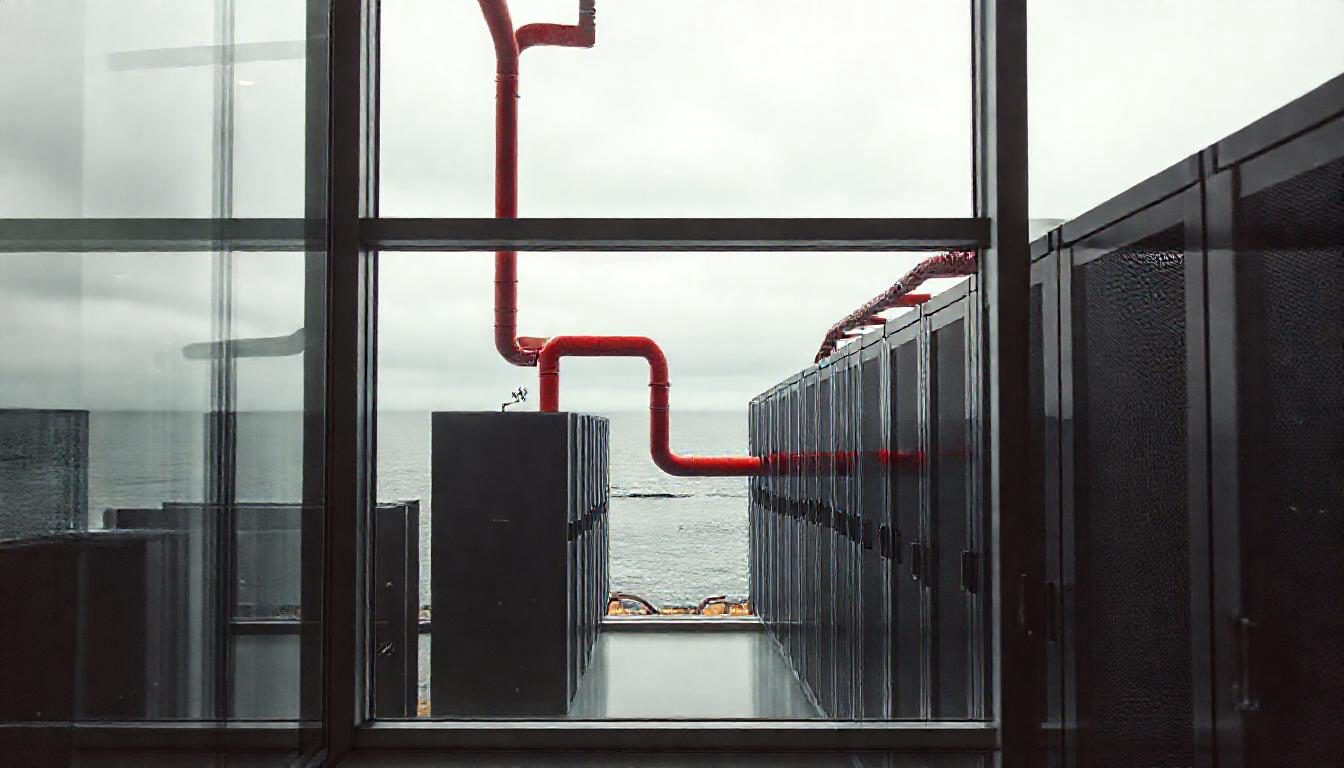
The race to build larger models has shifted from pure software optimization to a brutal physical constraint: heat. For most of the past decade, the primary bottleneck for Neural Network Hardware was memory bandwidth or GPU availability. Today, the limiting factor is thermal dissipation, driven by severe AI cooling constraints. High-performance chips, particularly the latest GPUs from Nvidia and AMD, generate heat densities that traditional air cooling cannot manage. This shift is forcing a complete redesign of U.S. data center infrastructure, creating new winners and losers among investors and operators.
Why Air Cooling Fails: AI Cooling Constraints
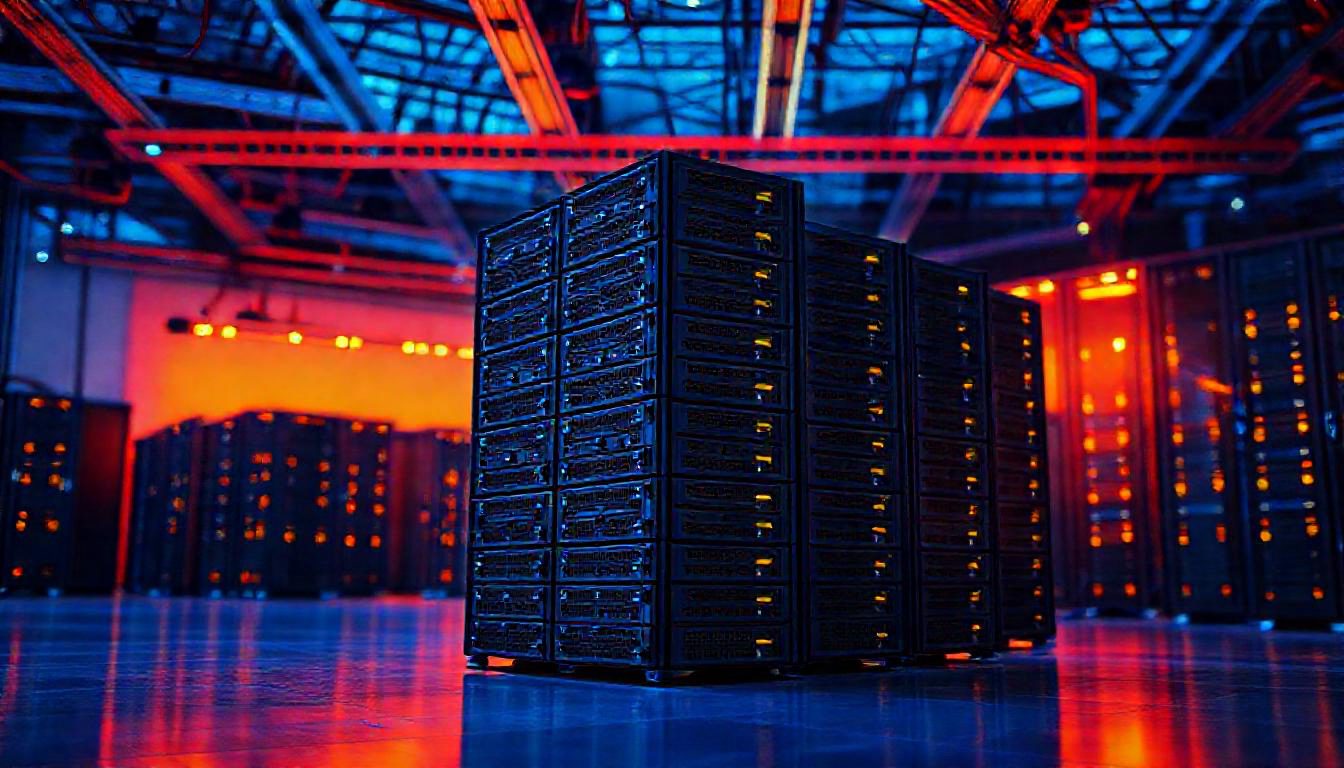
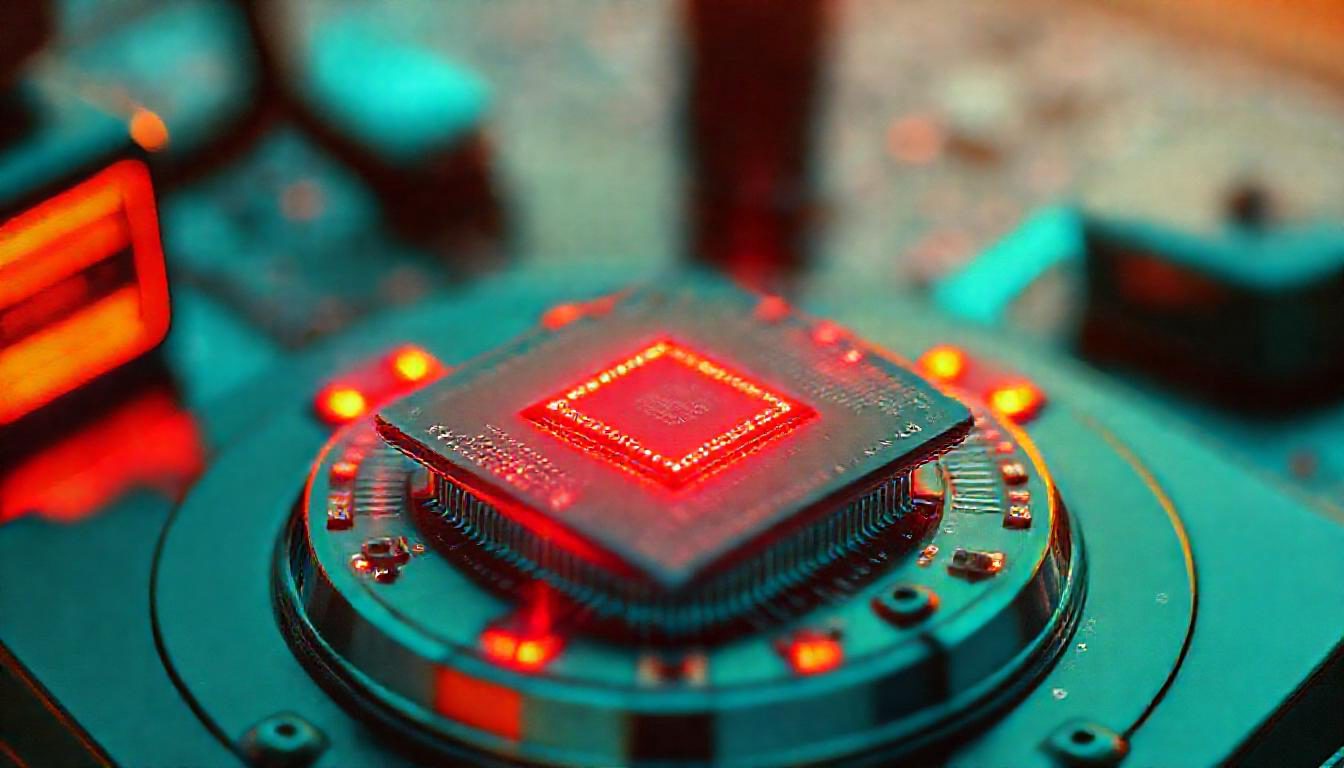
Modern AI clusters operate at power densities exceeding 100 kilowatts per rack. Conventional HVAC systems, designed for decades to cool commodity servers, simply cannot remove this heat efficiently. The physics of air are too limited. When Neural Network Hardware runs at peak capacity, the surface temperature of the silicon rises so rapidly that throttling occurs unless liquid intervention is present. This is not a theoretical problem; it is an immediate operational hurdle for every major cloud provider and enterprise adopting large language models.
The Rise of Direct-to-Chip Liquid Cooling
The industry standard is moving toward direct-to-chip (D2C) liquid cooling. In this setup, cold plates are mounted directly onto the GPU and CPU. Coolant circulates through these plates, absorbing heat before being pumped to a heat exchanger. This method is roughly three to four times more efficient than air cooling and reduces the energy required for fans by up to 90%. For U.S. companies building domestic AI capacity, this technology is no longer optional. It is the entry ticket.
“Thermal management has become the new Moore’s Law. If you can’t move the heat, you can’t run the model.”
Neural Network Hardware: Q4 Investment Implications
As we head into the fourth quarter of 2026, the market is repricing infrastructure assets. Investors must distinguish between companies that merely sell chips and those that solve the thermal equation. The Neural Network Hardware supply chain now includes specialized fluid manufacturers, pump suppliers, and rack integrators who were previously peripheral to the AI narrative.
Key areas of focus for American investors include:
- Infrastructure Retrofits: Companies enabling legacy data centers to adopt liquid cooling via immersion tanks or hybrid systems.
- Power Grid Coordination: Utilities and infrastructure firms that integrate with AI clusters to manage peak heat loads and electricity demand simultaneously.
- Specialized Components: Manufacturers of cold plates, quick disconnects, and non-conductive dielectric fluids.
Read also: Neural Network Actuation: The Robotics Funding Bottleneck · Neural Network Hardware Shifts: Investing in the Next Silicon Cycle
Geographic and Regulatory Friction
The shift to liquid cooling also exposes geographic vulnerabilities. Water scarcity in parts of the U.S. Southwest complicates the use of evaporative cooling towers, which are often the final stage in liquid cooling loops. This forces operators toward closed-loop systems that require more electricity for pumps, creating a trade-off between water usage and grid strain. Federal and state regulators are beginning to scrutinize these energy-water nexus issues, particularly for new hyperscaler campuses proposed in arid regions.
Furthermore, the standardization of Neural Network Hardware interfaces is lagging. Without universal cooling protocols, enterprises face vendor lock-in risks. If an AI service provider changes its thermal architecture, the customer may need to rewrite code or replace entire server racks. This friction slows adoption and increases total cost of ownership, a factor often ignored in initial hardware projections.
For official data and guidance on this topic, see arXiv.
Key Takeaways
- Heat dissipation is now the primary constraint on scaling Neural Network Hardware in the U.S.
- Air cooling is obsolete for high-density AI clusters; direct-to-chip liquid cooling is becoming mandatory.
- Investors should look beyond chipmakers to thermal management, fluid systems, and power-grid integration firms.
- Water scarcity and energy regulations are forcing closed-loop systems, increasing operational complexity.
- Lack of hardware standardization creates vendor lock-in risks for enterprise AI adopters.


Comments (7)