
The hype cycle for general-purpose humanoid robots is cooling, and for good reason. Venture capital inflows into humanoid robotics startups have slowed sharply this fall, signaling a broader market correction driven by the persistent gap between demo-day spectacle and commercial reality. At the heart of this slowdown lies robotics actuation costs—the ability of artificial intelligence to translate complex environmental data into precise, real-time physical movements. While large language models have matured rapidly, the mechanical counterparts remain prohibitively expensive and unreliable for most enterprise buyers.
The Impact of Robotics Actuation Costs
For American investors and entrepreneurs, the primary hurdle is not intelligence, but energy and precision. Running sophisticated neural network actuation algorithms on edge devices requires significant computational power, which drains batteries and generates heat. Current humanoid prototypes often operate for less than two hours before requiring a recharge, a limitation that makes them unsuitable for the standard eight-hour manufacturing shift. This operational deficit has forced early adopters in logistics and manufacturing to stick with traditional, task-specific automation rather than investing in flexible, AI-driven humanoids.
Investment firms are demanding clearer paths to profitability. The capital expenditure for research and development in hardware-heavy AI sectors is vastly higher than in pure software plays. Without a breakthrough in efficient actuator design or battery density, the return on investment for robotics actuation costs remains negative for the majority of commercial use cases.
Narrower Wins in Industrial Settings
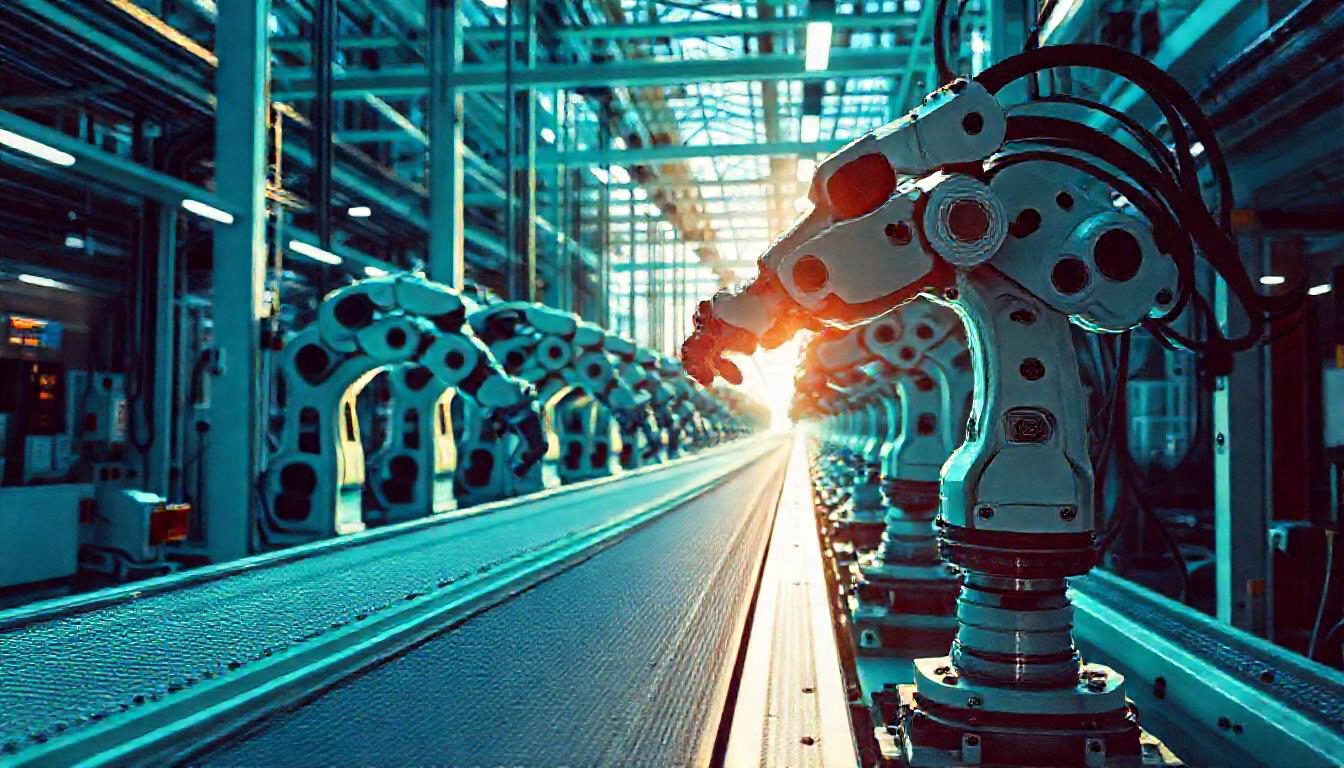
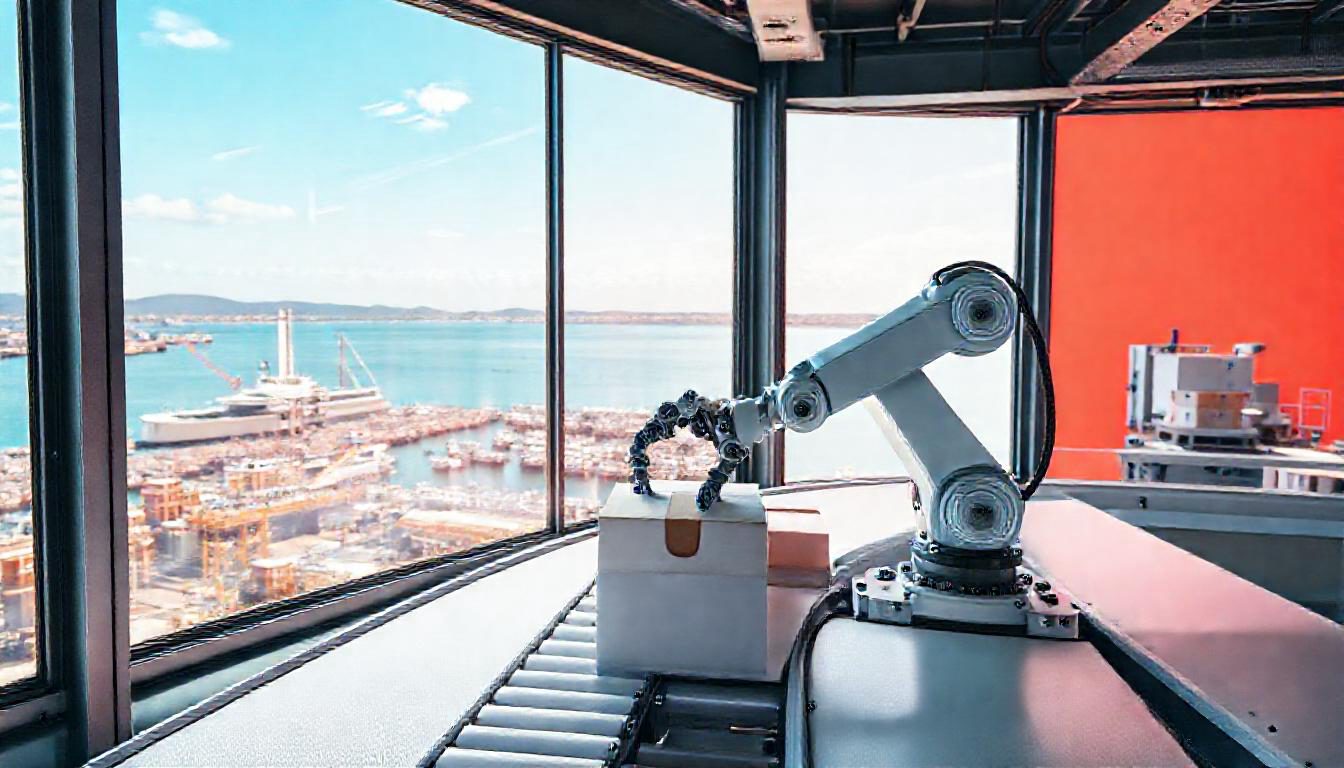
Rather than chasing the holy grail of domestic humanoids, successful startups are pivoting to specific industrial niches. Robots designed for single tasks—such as palletizing, welding, or pick-and-place operations—are seeing sustained growth. These systems use simpler, more robust neural network actuation protocols that prioritize speed and reliability over adaptability. For U.S. manufacturers facing labor shortages, these focused solutions offer immediate productivity gains without the integration headaches associated with general-purpose AI.
The market for general-purpose humanoids is optimistic; the market for specialized robotic arms is pragmatic.
Key factors influencing the current investment landscape include:
- Energy Efficiency: Startups that demonstrate extended battery life through optimized actuation algorithms are securing Series B funding.
- Integration Ease: Solutions that plug into existing warehouse management systems without custom coding are preferred.
- Safety Certification: New OSHA guidelines for collaborative robots are raising the bar for real-time error correction in robotics actuation costs.
Implications for American Supply Chains
The shift away from speculative humanoid robotics benefits the broader U.S. supply chain. By focusing on proven, task-specific automation, companies can better hedge against labor market volatility. However, this trend also creates a barrier to entry for smaller firms. The robotics actuation costs of advanced technology remain high, potentially widening the gap between large conglomerates and mid-sized manufacturers. Investors should look closely at companies developing open-source actuation stacks or modular hardware platforms, which could democratize access to this technology.
Timeline for Breakthroughs
Analysts estimate that significant milestones in cost-effective neural network actuation are still three to five years away. Until then, the sector will likely see consolidation, with larger aerospace and defense contractors acquiring smaller AI robotics firms to hedge their bets. For venture capitalists, the opportunity lies not in the robot itself, but in the middleware that enables seamless communication between AI models and mechanical actuators.
Read also: Neural Network Latency: The Hidden Bottleneck in Financial AI · Neural Network Architecture: Why MoE Models Are Reshaping AI Economics
For official data and guidance on this topic, see Stanford HAI.
Key Takeaways
- Venture capital for humanoid robotics is contracting due to high robotics actuation costs and limited battery life.
- Neural Network Actuation remains the primary technical bottleneck for general-purpose robots.
- Investors are favoring specialized industrial robots with clear ROI and easier integration.
- Look for opportunities in middleware and energy efficiency solutions rather than full-stack humanoid platforms.
Comments (4)