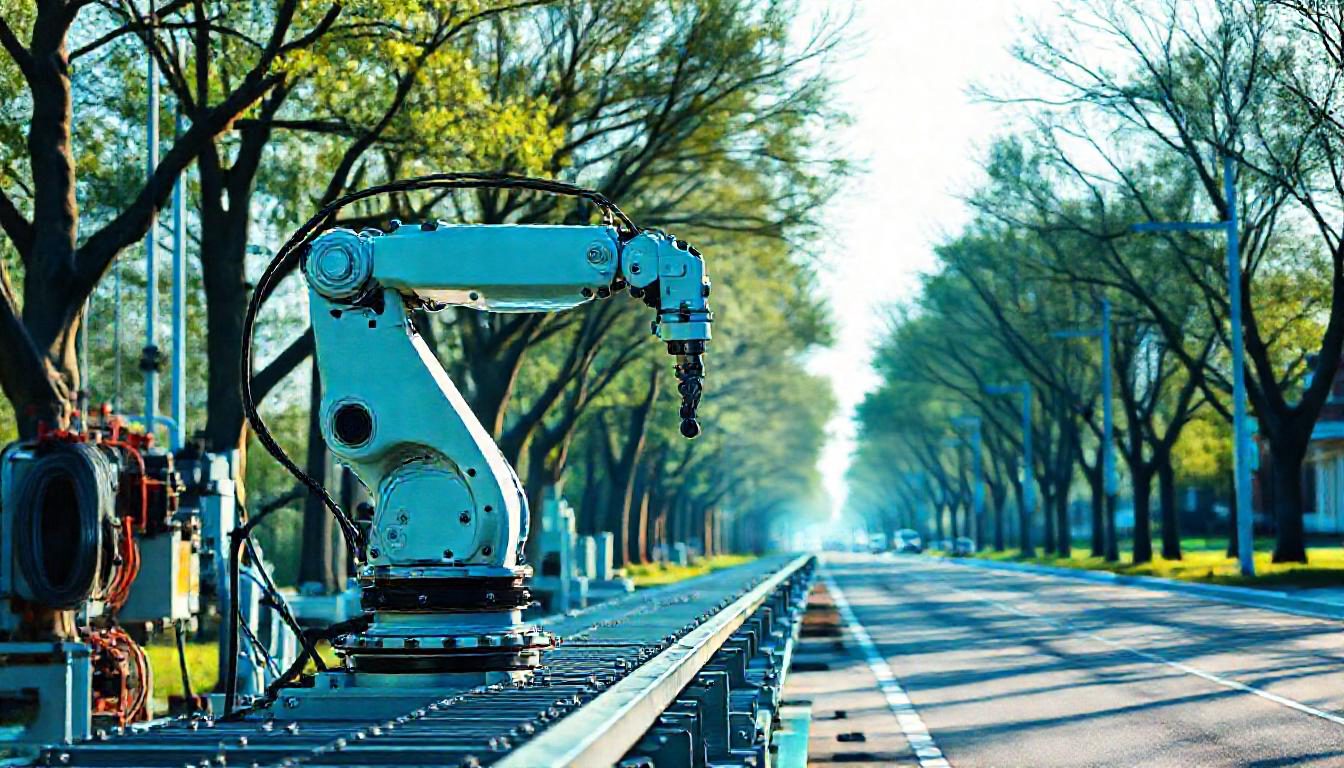
The Federal AI Act, which cleared Congress this fall, marks a pivotal shift for the U.S. robotics sector. While focused on software, it imposes strict safety and disclosure requirements on physical systems powered by large language models. Investors and executives are now grappling with the implications of these regulations for humanoid robots, autonomous logistics vehicles, and warehouse automation. The law prioritizes transparency and physical safety over the raw performance metrics that have historically driven valuations in this space. This new era of robotics compliance demands immediate attention from all stakeholders.
This regulatory framework requires manufacturers to disclose the specific neural network architectures used in physical actuation systems. For venture capitalists backing robotics startups, this changes the due diligence process entirely. Compliance is no longer just a legal checkbox but a core component of product viability. Companies that can package compliance as a feature, rather than a burden, will likely see higher valuations in the upcoming quarters.
Robotics Compliance in the Federal AI Act
The Federal AI Act introduces mandatory “physical impact assessments” for robots operating in public or human-shared spaces. This provision aims to prevent the autonomous errors that critics fear from generative AI models. For the U.S. market, this means that industrial partners and consumer-facing humanoid robot firms must prove that their decision-making processes are auditable. This regulatory hurdle raises the cost of entry for smaller startups, potentially consolidating the market among larger players like Tesla and Boston Dynamics who can absorb compliance costs.
“The era of ‘move fast and break things’ is over for physical AI. The Federal AI Act forces builders to design for failure first.”
Key Compliance Requirements for Robotics
The legislation mandates several stringent controls for AI-driven machinery:
- Real-time monitoring logs: Systems must record decision-making processes for at least one year.
- Human override capabilities: A physical kill switch or remote shutdown feature is mandatory for autonomous vehicles and drones.
- Liability insurance: Operators must carry specific coverage for AI-driven accidents, separating them from traditional workers’ compensation.

Impact on Supply Chains and Labor
Beyond strict compliance, the Federal AI Act has significant implications for the U.S. labor market. Protections for factory workers and delivery drivers are now codified alongside robot deployment. Companies cannot simply replace human labor with automation without proving that the transition includes retraining programs. This provision has drawn criticism from free-market economists who argue it slows productivity gains. However, for labor unions and policy hawks, it represents a crucial safeguard for American jobs.
The law also addresses the supply chain vulnerabilities exposed by the reliance on foreign semiconductor components. By requiring a “materials disclosed” label for all federally funded robotics projects, the act incentivizes sourcing from domestic chip manufacturers. This could drive a resurgence in U.S. manufacturing hubs in Texas, Arizona, and the Rust Belt, aligning robotics growth with broader national security goals.
Read also: LLM Hallucinations: How Duolingo Reduced Financial Risk · SMB Growth Hacking: Leveraging Federal Tax Credits for Q4 2025 Cash Flow
Market Consequences and Investor Outlook
Heading into 2026, the robotics sector faces a bifurcation. Startups with flexible, compliant architectures are likely to attract steady, institutional capital, while rigid, opaque models may struggle to secure government contracts or enterprise deals. The Federal AI Act effectively creates a new class of “certified” robotics firms, acting as a barrier to entry but also a stamp of trust for consumers.
Investors should anticipate increased operational costs for robotics companies, particularly those focused on consumer humanoids. The cost of ensuring compliance, especially for real-time monitoring and liability insurance, could extend the path to profitability for several years. Conversely, established artificial intelligence hardware vendors benefit, as they are better equipped to handle regulatory infrastructure and compliance auditing.
For official data and guidance on this topic, see Stanford HAI.
Key Takeaways
- The Federal AI Act mandates transparency and safety overrides for all AI-driven physical robots.
- Compliance costs will likely favor established firms over early-stage startups, accelerating market consolidation.
- U.S. labor protections are now integrated into robotics deployment regulations, altering traditional automation models.
- Investors should expect higher operational expenses for robotics firms heading into Q4 and 2026.


Comments (5)