
The most critical shortage facing the U.S. technology sector is no longer silicon wafers or HBM3E memory modules. It is electricity. As hyperscalers race to deploy next-generation AI clusters, data center power availability has emerged as the primary governor of growth. For American investors, this shift from component scarcity to grid fragility represents a fundamental change in how we evaluate hardware valuations and long-term infrastructure returns.
Why Grid Limitations Matter More Than Chip Production
For the past two years, market consensus centered on GPU supply chains. Today, that narrative is obsolete. Major U.S. tech hubs are hitting hard physical ceilings on electricity procurement. In Northern Virginia, the world’s largest data center cluster, utilities have paused new high-load connections for years due to capacity constraints. Similar bottlenecks are emerging in Arizona, Texas, and Georgia.
The implication is stark: even if Nvidia or AMD delivers hardware on schedule, that equipment cannot run without an approved power feed. This creates a new class of stranded assets. Projects with signed hardware contracts but no grid connection face indefinite delays, increasing capital efficiency risks for public and private equity backers alike.
The Shift from Chip Shortage to Power Shortage
Historically, tech investors focused on yield rates and supply chain diversification. Now, the focus must pivot to interconnect timelines and utility reliability. Each AI rack now consumes more energy than traditional cloud servers did a decade ago. This rising density per square foot means that data center power demands are growing faster than the grid can physically expand.
Key pain points for U.S. expansion include:
- Utility Lead Times: New high-voltage transmission lines can take 5–7 years to permit and build.
- Regional Variance: Texas offers cheaper energy but faces extreme weather reliability risks, while coastal areas offer stability but scarce land and grid capacity.
- Regulatory Drag: Environmental reviews for new substations often override corporate urgency.
How Data Center Power Affects Vendor Valuations
The impact is asymmetric. Hardware vendors like Nvidia may see sustained order books, but their end-market deployment velocity will slow. This could lead to a divergence between reported revenue and actual installed base growth. Investors should watch for inventory buildups at hyperscalers, a signal that they are buying chips faster than they can energize facilities.
Conversely, companies in the energy infrastructure sector—those specializing in grid modernization, transformer manufacturing, and on-site power generation—are becoming de facto tech plays. The intersection of AI and energy is creating new winners outside of the traditional semiconductor index.
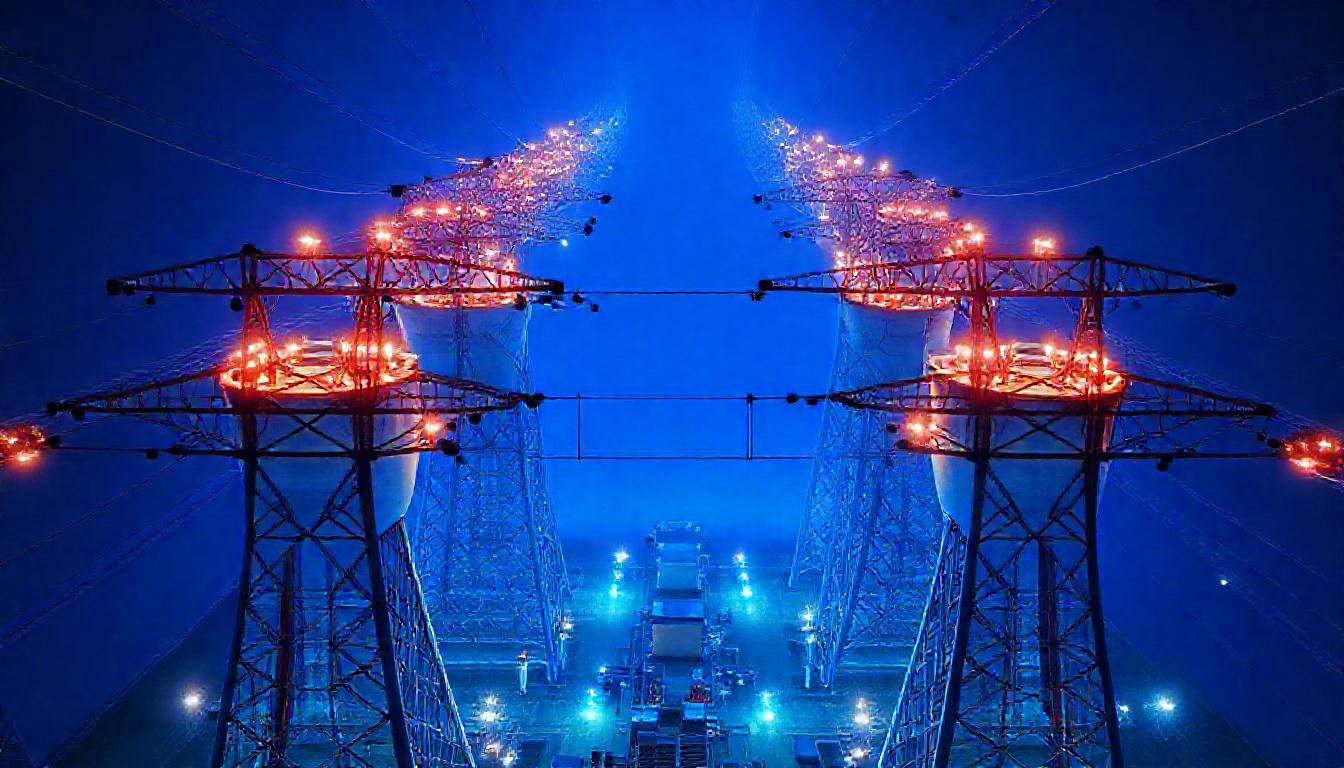
“The bottleneck is no longer in the fab; it is at the substation.”
Strategic Takeaways for Investors
To navigate this landscape, U.S. tech investing requires a dual-lens analysis: hardware capability and physical operability. Projects that de-risk their power supply—through on-site generation, long-term utility agreements, or favorable zoning—will command premium valuations.
The era of unlimited AI scaling is over. The new era is defined by constrained resources. Data center power is the hard currency of the next decade, and those who secure it early will define the market’s leaders.
For official data and guidance on this topic, see IEEE Spectrum.
Key Takeaways
- Grid Bottlenecks: Electricity availability, not chip supply, is the primary constraint on U.S. AI growth.
- Stranded Assets: Hardware purchased without secured power connections faces idle depreciation risks.
- Investment Pivot: Value is shifting from pure semiconductor firms to energy infrastructure and grid modernization players.
- Regional Disparity: Texas and Arizona offer capacity but weather risks; Virginia offers stability but strict interconnect limits.


Comments (2)