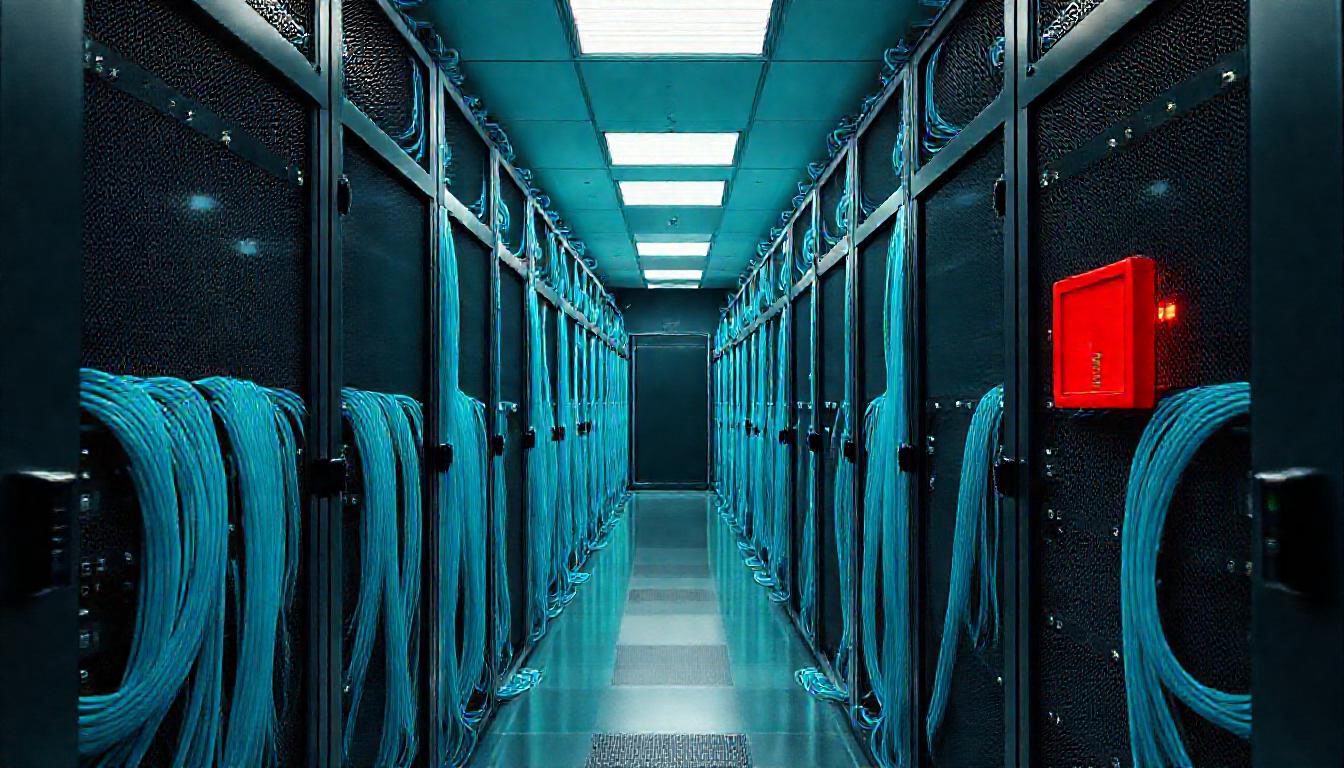
The holiday season offers a brief pause for markets, but for those tracking AI infrastructure, the work never stops. As we head into 2026, the conversation among U.S. venture capitalists and public market analysts is shifting from pure chip capability to the physical constraints of deployment. Understanding the emerging data center hardware trends is no longer optional; it is the primary filter for identifying sustainable growth versus temporary hype. The bottleneck is moving from silicon to space, power, and heat.
Data center hardware trends: The crunch of rack densities
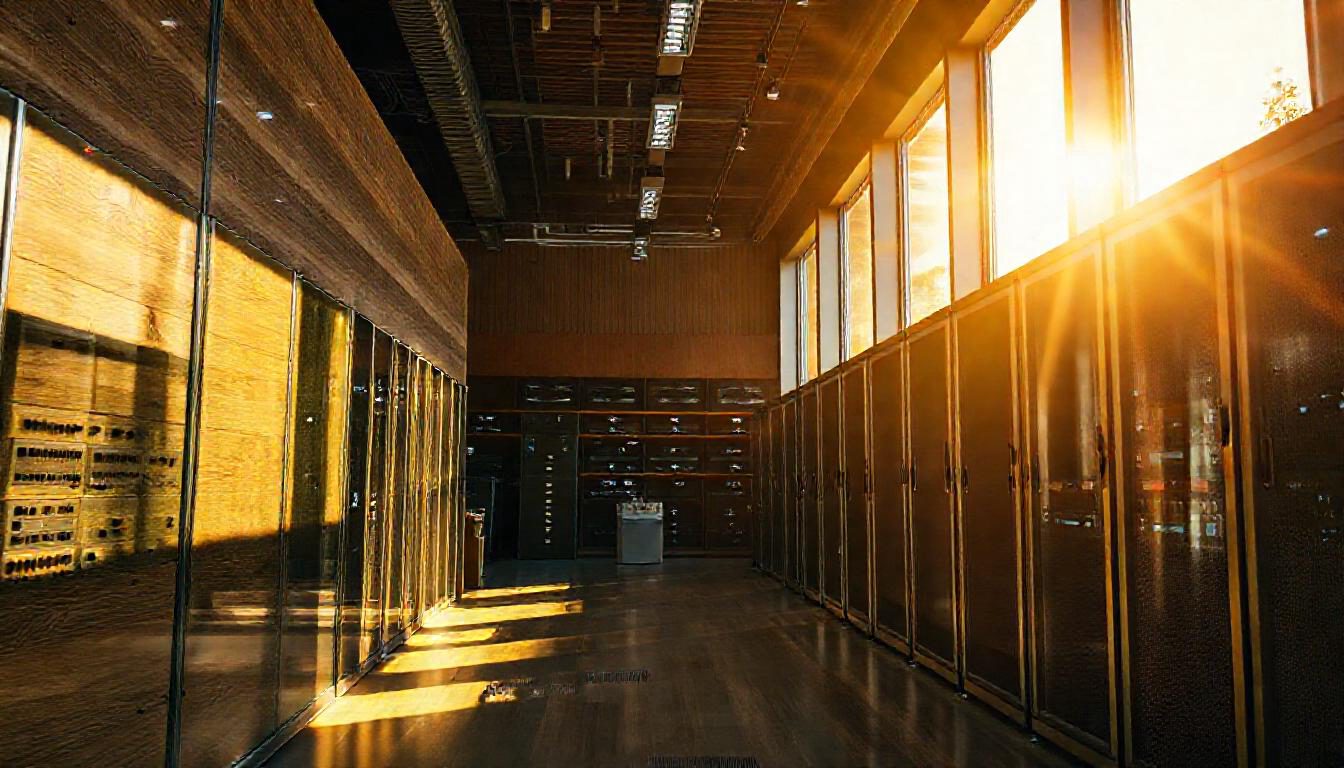
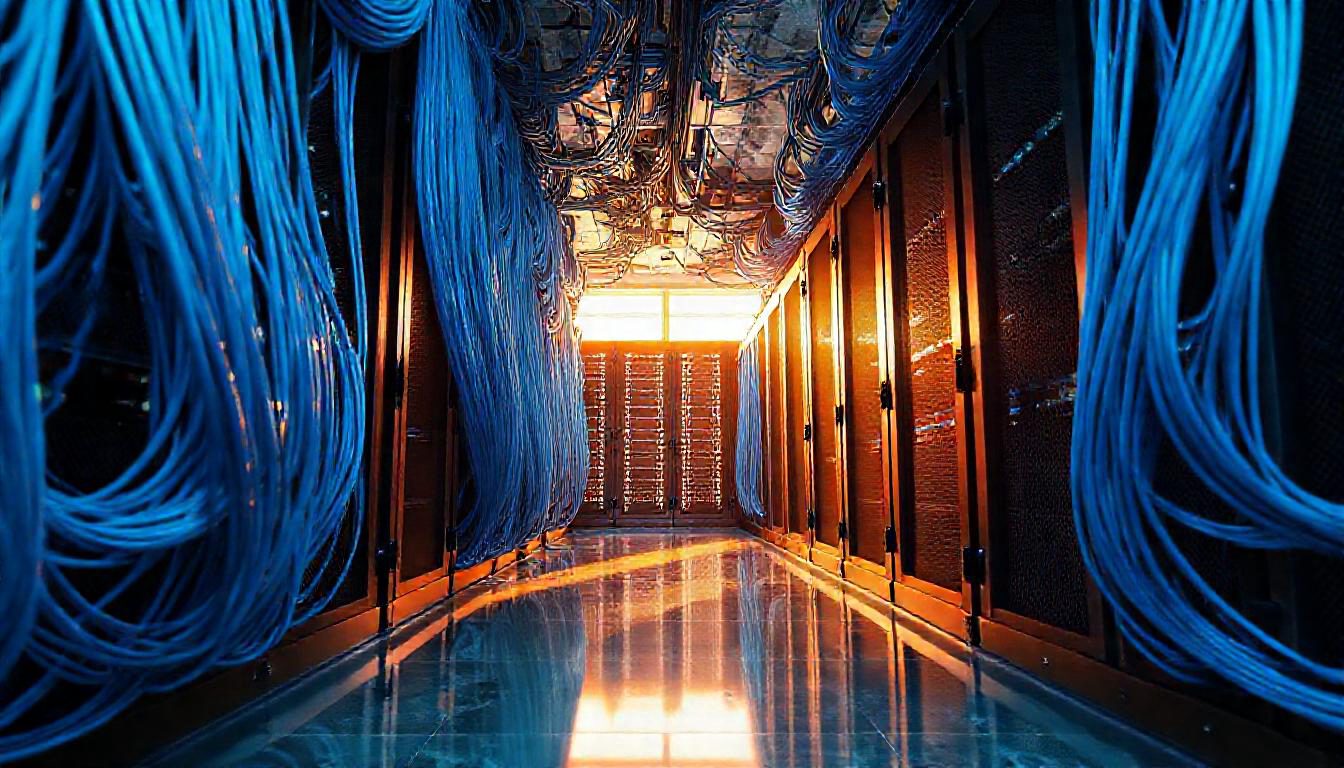
The most immediate pressure point is the physical footprint of compute. Traditional server designs are obsolete for next-generation accelerators. Investors are watching closely as rack densities climb, pushing beyond the previous 50-60kW norms. New hardware platforms, driven by massive GPU clusters, are demanding 100kW or more per rack. This isn’t just an engineering challenge; it is a balance sheet issue. Higher density means fewer racks for the same compute output, which initially looks like a win for efficiency. However, it concentrates risk. If a single rack fails, the downtime cost escalates. Furthermore, retrofitting existing U.S. facilities to handle this density requires significant capital expenditure that many mid-tier operators cannot absorb.
Cooling as the New Differentiator
Air cooling is hitting a thermal wall. The data center hardware trends of 2026 will be defined by cooling architecture, not just processing power. We are seeing a definitive shift toward direct-to-chip liquid cooling and, increasingly, immersion technologies. For American investors, this creates a new asset class: cooling infrastructure companies. The move away from chilled water loops to closed-loop liquid systems reduces Power Usage Effectiveness (PUE) metrics, which is critical for meeting ESG goals and regulatory pressures in states like Virginia and Texas. But it also introduces complexity. Leaking coolants, maintenance of pumps, and specialized plumbing are new operational risks that didn’t exist in the air-cooled era.
Key Impacts on CapEx
- Higher Initial Costs: Liquid cooling systems require nearly double the upfront capital compared to traditional air cooling.
- Reduced OpEx: Lower energy consumption and extended hardware lifespan offset initial costs over 3-5 years.
- Real Estate Premium: Facilities that support high-density liquid cooling command higher lease rates due to scarcity.
Power Grid Constraints and Location
You cannot ignore the grid. The U.S. power infrastructure is struggling to keep pace with AI demand. The trend is moving toward co-location with power generation or nuclear micro-reactors. Investors are scrutinizing site selection more than ever. A shiny new data center in a congested grid area is a stranded asset waiting to happen. The ability to secure 100+ MW of reliable, clean power is now a competitive advantage that outweighs proximity to fiber backbones in some cases. This geographic rebalancing affects where hardware is deployed, with the Pacific Northwest and parts of the South gaining favor over saturated markets like Northern Virginia.
Intelligent Ops and Maintenance
Finally, hardware itself is becoming smarter. Embedded sensors are monitoring thermal and electrical performance in real-time, feeding data to AI-driven operational platforms. This reduces unplanned downtime—a critical metric for cloud providers who sell SLA-backed services. For investors, this means the value proposition of hardware vendors now includes software and analytics, blurring the lines between infrastructure and SaaS companies.
For official data and guidance on this topic, see NIST.
Key Takeaways
- Rack densities exceeding 100kW are becoming standard, requiring facility retrofits.
- Liquid cooling is transitioning from niche to necessary, driving new CapEx models.
- Power availability and grid stability are now primary drivers of site selection.
- Intelligent, sensor-rich hardware reduces operational risk and enhances asset value.
- Investors should favor operators with strong power procurement guarantees and thermal engineering capabilities.
Comments (1)