
The narrative around AI infrastructure investing is shifting from pure capacity expansion to efficiency and bottlenecks. Heading into the second half of 2026, Wall Street and private equity are recalibrating their models. The consensus that capital deployment was unconstrained has evaporated, replaced by a hard reality: electricity availability is the new silicon shortage.
Why Power Constraints Drive AI Infrastructure Investing
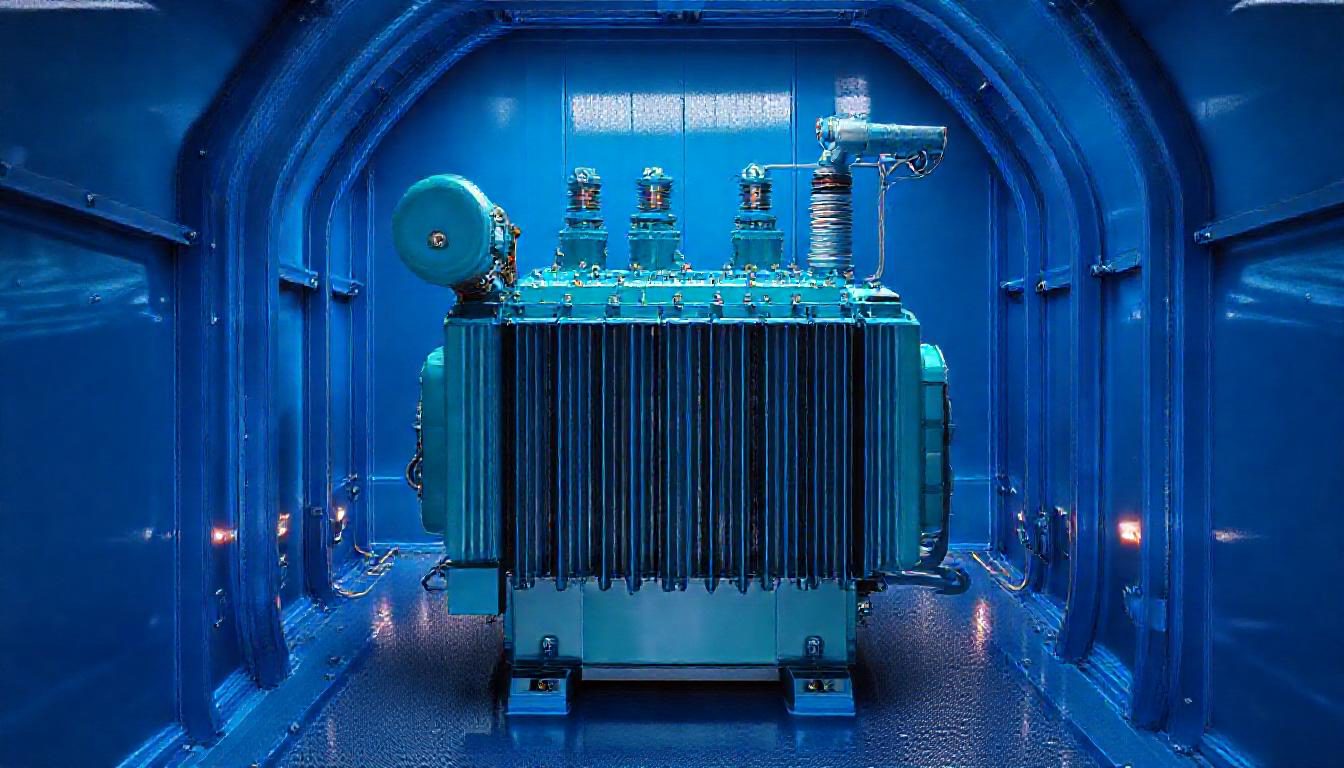
Grid interconnection queues in major U.S. tech hubs—Northern Virginia, Texas, and the Pacific Northwest—now stretch years, not months. This delay affects AI infrastructure investing by forcing capital toward self-generated power and liquid cooling technologies. Investors are no longer simply buying shelf space; they are buying kilowatts. The premium for assets with secured, on-site generation capacity is widening, creating a bifurcated market.
Key Metrics for 2026 Allocation
| Metric | 2025 Average | 2026 Forecast | Impact on Returns |
|---|---|---|---|
| Power Cost per kW | $85 | $115+ | Higher OpEx |
| Grid Deal Timeline | 18 Months | 36+ Months | Delayed Revenue |
| Liquid Cooling Adoption | 20% | 45%+ | CAPEX Shift |
How Investors Are Navigating the Shift
The most significant change this quarter is that the public markets are punishing hyperscalers with unsecured power pipelines. Conversely, utilities with data center contracts are seeing multiple compression and re-rating. For AI infrastructure investing, the thesis now relies on the convergence of utility assets and private credit.
- Direct Lending to Utilities: Private credit funds are filling the gap left by banks, offering capital for substation upgrades.
- Nuclear Micro-Reactors: Public equities with exposure to small modular reactors are trading at market-moving valuations.
- Cooling Infrastructure: Companies providing immersion cooling tech are seeing order books stretch through 2027.
The End of the Greenfield Era
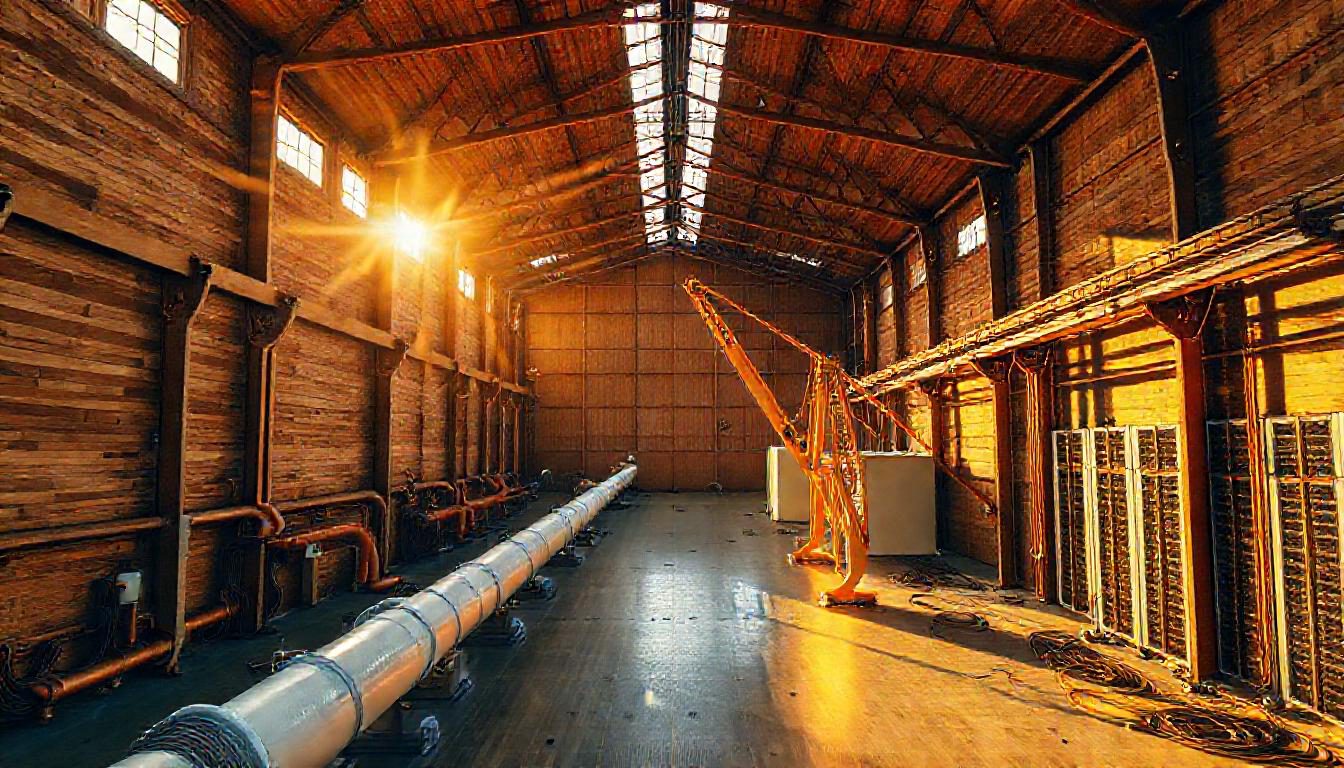
Building new sites from scratch is becoming less viable for mid-size players. AI infrastructure investing in 2026 favors brownfield redevelopment—repurposing old industrial sites with existing grid connections. This strategy reduces time-to-revenue by nearly 40% compared to greenfield builds. American entrepreneurs and investors must prioritize existing assets over speculative land grabs.
“The constraint is no longer GPU availability; it is kilowatt-hour delivery. Those who solve the power bottleneck own the AI narrative.”
For official data and guidance on this topic, see FINRA.
Key Takeaways
- Grid access is the primary hurdle: Prioritize assets with secured power deals over raw square footages.
- Cooling technology is essential: Liquid cooling is moving from optional to mandatory for profitable AI operations.
- Utilities are tech stocks: The overlap between energy infrastructure and AI plays is creating new asset classes.
- Brownfield wins: Repurposing existing industrial sites offers superior ROI to new construction in 2026.


Comments (7)