
The rise of retro gaming preservation is reshaping how investors view digital hardware infrastructure. While often dismissed as a niche hobby, the effort to maintain 1990s software compatibility is driving demand for specialized storage, emulation hardware, and long-term data archiving services. Companies like the Lucasfilm Games community are centralizing massive databases of game versions, creating a new asset class for digital scarcity.
Retro Gaming Preservation via Data Center Storage
Preserving hundreds of game iterations requires robust data centers. Unlike standard cloud storage, these archives demand high-fidelity preservation across multiple formats and hardware generations. For investors, the hardware angle isn’t just about capacity; it is about retention rates and compatibility layers. Modern storage arrays must handle fragmented data from obsolete file systems, increasing the complexity of data management.
The Hardware Bottleneck
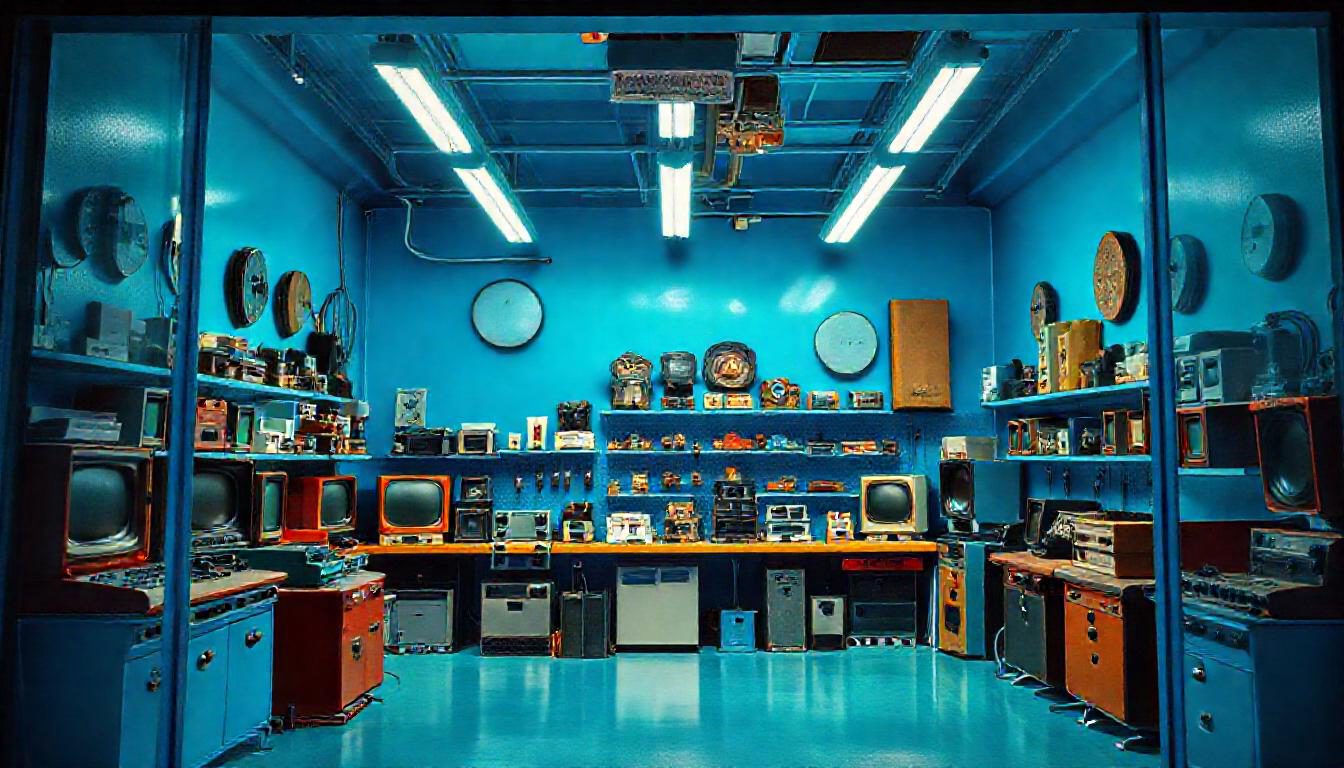
The market faces a supply constraint for legacy hardware components. Researchers and archivists need original motherboards, graphics cards, and sound chips to verify that emulators match the original experience.
- Legacy Component Prices: Prices for vintage PC parts have surged, creating a parallel secondary market.
- Emulation Chips: New hardware designs focus on low-latency processing to replicate old timing requirements.
Read also: Neocloud Capacity Clause: The Hidden Risk in AI Hardware Investments · Enterprise SSD Selection Guide for High-Performance AI Storage
Why It Matters for Tech Investors
> The “digital dark age” is a massive risk for cultural assets, making preservation a commercial industry.
Tech firms are now commercializing preservation tools, turning public domain code into proprietary asset management. This transition creates opportunities in software licensing and specialized hardware manufacturing.
The retro gaming preservation movement highlights a broader truth: digital data is fragile. As cloud providers face pressure to reduce energy costs, maintaining massive archives of legacy data becomes a capital-intensive challenge. Investors should look for companies offering efficient archival storage solutions, not just raw capacity. The ability to retrieve data from 30-year-old formats is becoming a competitive advantage for enterprise infrastructure.
Based on reporting by monkeyisland.pages.dev.
Key Takeaways
- Digital archiving is evolving from hobbyist projects to a funded industrial sector.
- Specialized hardware for compatibility testing is seeing increased investment.
- Data centers offering long-term retention of legacy formats may command higher margins.
The convergence of nostalgia and infrastructure modernization offers a unique entry point for tech-focused portfolios.



Comments (6)