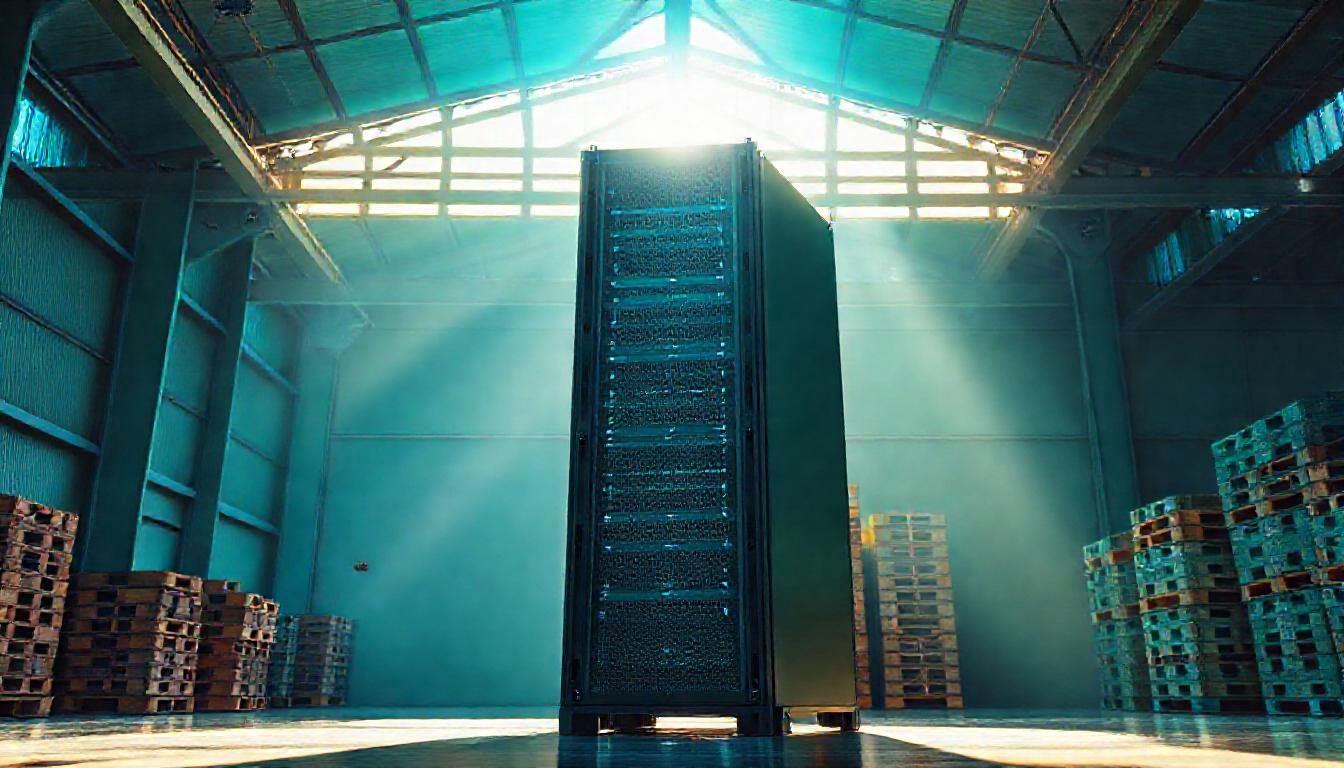
The surge in artificial intelligence adoption has triggered a scramble for silicon, but the financial mechanics behind the supply chain are often overlooked by generalist investors. At the heart of this opaque market lies the neocloud leasing clause, a contractual mechanism that dictates who bears the risk of rapid hardware obsolescence. For U.S. entrepreneurs and equity analysts, understanding this term is no longer optional; it is central to assessing the true value of AI infrastructure companies.
How the Neocloud Leasing Clause Works
Traditional cloud providers owned their servers outright, amortizing the cost over a six-to-seven-year lifecycle. Neoclouds, however, often operate on hybrid models where they lease GPUs from original equipment manufacturers or financial partners. The neocloud leasing clause typically defines the residual value of these assets and the conditions under which the lessee must continue payments even if the hardware becomes technologically outdated.
This structure creates a mismatch between economic reality and accounting rows. Nvidia’s H100 and upcoming Blackwell architectures depreciate significantly faster than the standard server hardware of the past decade. If a neocloud is locked into a three-year lease for hardware that loses 50% of its market value in eighteen months due to a new competitor’s release, the balance sheet swallows massive impairments.
The Impact on Valuation Multiples
Investors must scrutinize the duration and terms of these leases. A longer lease term might look like stable revenue, but if the underlying asset is depreciating at 40% annually while the lease revenue is flat, the operating margin compresses rapidly. This dynamic has already forced several tech-focused private equity firms to re-evaluate their exposure to GPU-intensive startups.
Key factors driving this risk include:
- Rapid Architectural Shifts: New chip releases every 12–18 months render previous generations less efficient per dollar.
- Power Constraints: Older hardware is less energy-efficient, increasing operational costs that erode lease margins.
- Contractual Rigidity: Fixed-price leases prevent neoclouds from passing on cost increases to renters during inflationary periods.
Why U.S. Investors Should Care
The U.S. market is the primary hub for both AI software applications and hardware manufacturing. When a neocloud fails to meet lease obligations, the credit risk often flows back to major financial institutions and equipment manufacturers tied to Wall Street. Furthermore, public companies with heavy AI capital expenditures are beginning to disclose more granular data on these lease commitments, signaling that the era of blind optimism in AI infrastructure growth is ending.
“The difference between a profitable AI cloud and a distressed asset often lies not in the code, but in the fine print of the hardware lease.”
Regulatory and Financial Implications
As the SEC tightens scrutiny on non-traditional cloud entities, the transparency of these clauses will be tested. Investors should look for companies that own their hardware outright versus those that are heavily leveraged through lease agreements. Ownership implies a longer-term commitment and potential for higher margins if the hardware remains useful, while leasing shifts risk to the operator, who may lack the pricing power to absorb depreciation shocks.
For official data and guidance on this topic, see NIST.
Key Takeaways
- The neocloud leasing clause determines who absorbs the financial hit when AI hardware becomes obsolete.
- Rapid GPU depreciation outpaces traditional server lifecycles, creating valuation discrepancies.
- U.S. investors must analyze lease duration and residual value terms to assess true infrastructure risk.
- Fixed lease costs against declining hardware efficiency can severely compress gross margins.
- Look for transparent disclosure of lease commitments in recent SEC filings as a signal of financial health.


Comments (0)
No comments yet. Be the first to share your view.