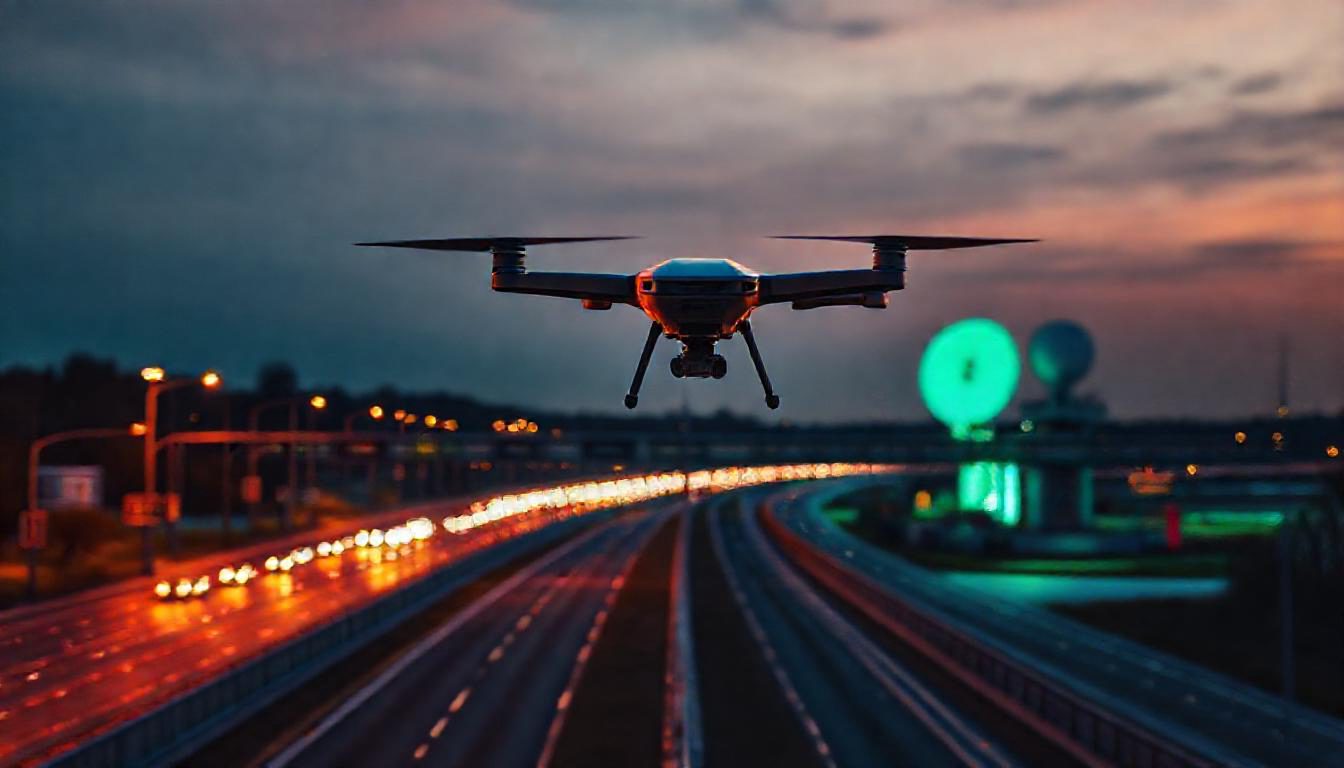
The intersection of Eastern European engineering grit and American capital is reshaping the national security landscape. Vigilant Works, one of the leading drone defense startups based in Ukraine, recently secured investment from U.S.-backed entities to accelerate the development of its Algiz-2 interception system. This deal highlights a critical pivot: Silicon Valley and Wall Street are increasingly sourcing cutting-edge autonomous counter-measure technology from conflict-tested regions rather than developing it in isolation.
Why U.S. Funds Are Eyeing Drone Defense Startups
For decades, American defense procurement relied on a slow, insular pipeline. That model is crumbling. The rapid proliferation of low-cost, high-speed unmanned aerial systems has exposed the limitations of traditional air defense. Investors are now flocking to companies that have proven their hardware under fire. Vigilant Works offers a prime example. The company manufactures high-velocity interceptor drones and autonomous systems designed to neutralize hostile UAVs. By partnering with Lithuanian manufacturers for its propulsion systems, the firm has created a resilient supply chain that bypasses typical bottlenecks.
This strategy appeals to U.S. venture capital firms looking for drone defense startups with immediate utility. The demand is driven by the Pentagon’s push for scalable, affordable autonomy, as well as private sector needs in protecting critical infrastructure from aerial threats.

The Supply Chain Advantage
The decision to outsource engine production to Lithuania is not merely a cost-cutting measure; it is a strategic hedge. European manufacturing hubs offer a middle ground between the low costs of Asian production and the high regulatory hurdles of American industry. For drone defense startups, this geographical diversification is vital.
Key benefits of this cross-border approach include:
- Speed to Market: Engineering cycles are significantly shorter when founders can iterate in Ukraine and produce in the Baltics.
- Cost Efficiency: Production costs remain competitive against U.S.-only competitors, allowing for lower unit economics.
- Supply Chain Resilience: Reduced reliance on any single geopolitical bloc mitigates risk for investors.
“The most effective counter-UAV systems are those that can be deployed at scale. Investors are betting on speed and versatility over legacy infrastructure.”
Read also: Series A Growth Metrics Shift for Startups in Q4 2026 · Venture Capital Exits Stall as IPO Window Slams Shut
Implications for American Investors
The entry of U.S. capital into Vigilant Works sends a clear signal to the broader market. Institutional investors are no longer hesitant to back foreign-founded entities if the technology addresses a pressing domestic security gap. This trend opens new horizons for American portfolio managers seeking exposure to the defense-tech sector.
However, this influx of capital also brings scrutiny. Regulatory bodies like the CFIUS (Committee on Foreign Investment in the United States) will likely monitor these deals closely to ensure technology transfer complies with national security standards. For founders of drone defense startups, this means navigating complex compliance landscapes while scaling operations.
The success of Vigilant Works proves that the next generation of autonomous defense tech may not be born in California or Texas, but in the high-stakes testing grounds of Eastern Europe. The U.S. market is ready to pay for that innovation.
Based on reporting by ain.ua.
Key Takeaways
- U.S. venture capital is actively investing in foreign drone defense startups with combat-proven technology.
- Cross-border supply chains, such as manufacturing in Lithuania, offer cost and speed advantages.
- Investors prioritize scalability and unit economics in autonomous interception systems.
- Regulatory compliance remains a critical hurdle for international deals in the defense sector.




Comments (7)