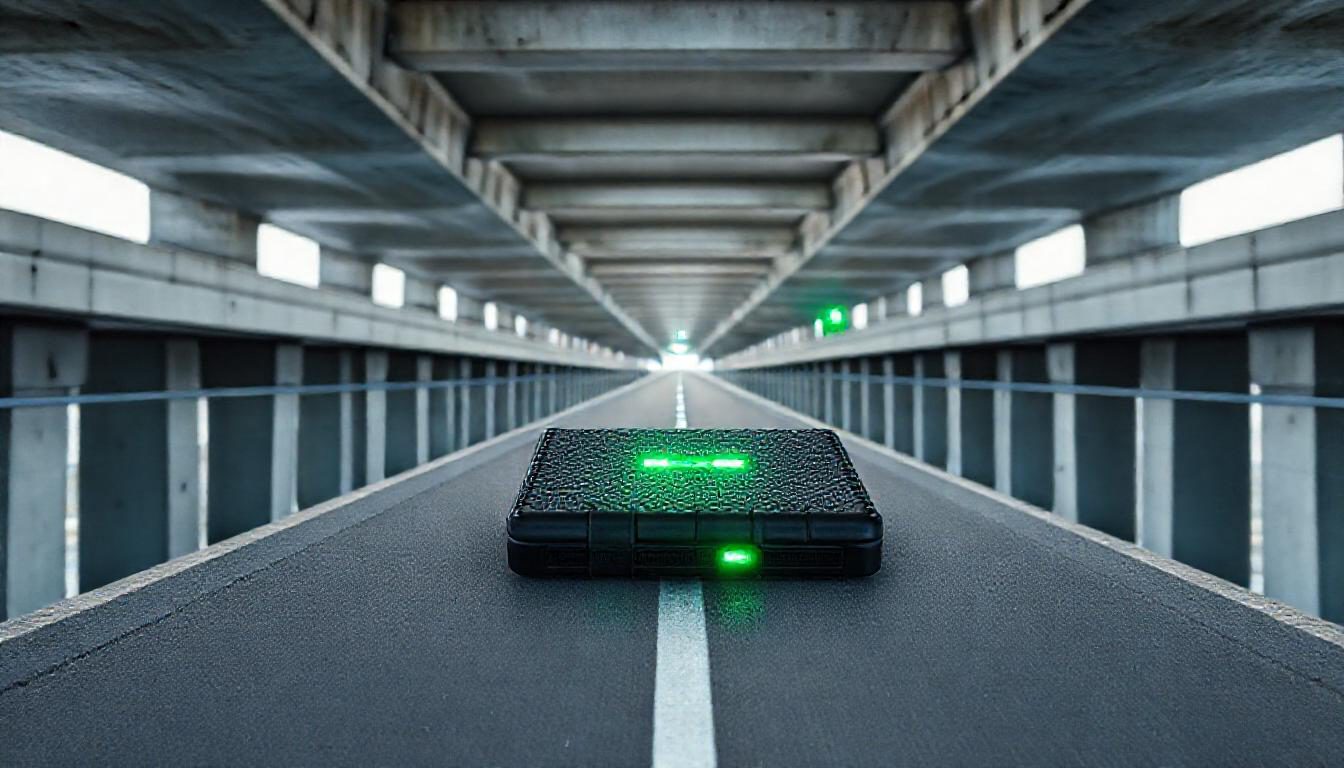
If you hold more than a trivial amount of digital assets, leaving them on an exchange is an open invitation to counterparty risk. The 2022 collapse of FTX demonstrated that centralized intermediaries can fail. For U.S. entrepreneurs and finance professionals, moving to a crypto hardware wallet is no longer optional for meaningful portfolio sizes; it is a fundamental fiduciary duty to one’s own capital. The process of setting up cold storage is rigorous but manageable if you follow a strict protocol.
Selecting a Reputable Crypto Hardware Wallet
Not all devices are created equal. Leading U.S. firms often deploy hardware from established manufacturers like Ledger or Trezor, which offer certified secure elements. Avoid second-hand devices sold on marketplaces, as they can be compromised with physical tampering or pre-seeded malicious seed phrases. Purchase directly from the manufacturer’s official website to ensure supply chain integrity. In the current Q4 landscape, supply chain security is paramount. A crypto hardware wallet should arrive sealed, with cryptographic verification available on the device screen before you ever plug it in.
Initial Setup and Seed Phrase Management
Upon receiving your device, the first step is initialization. The device will generate a unique seed phrase—a series of 12 to 24 words that serve as the master key to your funds. This is the most critical moment in the setup process.
- Never digitize the phrase: Do not photograph, screenshot, or type the seed phrase into any computer, cloud storage, or password manager. An attacker with remote access can compromise your funds in seconds.
- Physical backup: Write the phrase on the accompanying steel plate or durable card. Plastic degrades; steel does not.
- Geographic redundancy: For high-net-worth individuals, store the steel backup in a safe deposit box at a different location than your home safe. This protects against fire, theft, and natural disasters.
Connecting to Software and Transferring Assets
Once the seed is secured, install the manufacturer’s desktop application on a trusted computer. Create a PIN on the device itself. This PIN protects physical access if the device is lost. After pairing the device, you will see your public address. Copy this address to your exchange withdrawal page. Always send a small test transaction first to verify the address is correct before transferring the bulk of your holdings. A wrong address means permanent loss.
Ongoing Maintenance and Firmware Updates
Security is not a one-time event. Periodically, manufacturers release firmware updates to patch vulnerabilities. However, never update your firmware if prompted by a link in an email or a message on social media. These are common phishing vectors. Only update through the official desktop application while the device is connected directly to your computer. If a fake update prompts you to enter your seed phrase, abort immediately.
For official data and guidance on this topic, see Commodity Futures Trading Commission.
Key Takeaways
- A crypto hardware wallet eliminates counterparty risk by placing keys in your control.
- Physical security of the seed phrase is as vital as the device itself.
- Always verify supply chain integrity by buying directly from manufacturers.
- Test transfers with small amounts before committing significant capital.


Comments (1)