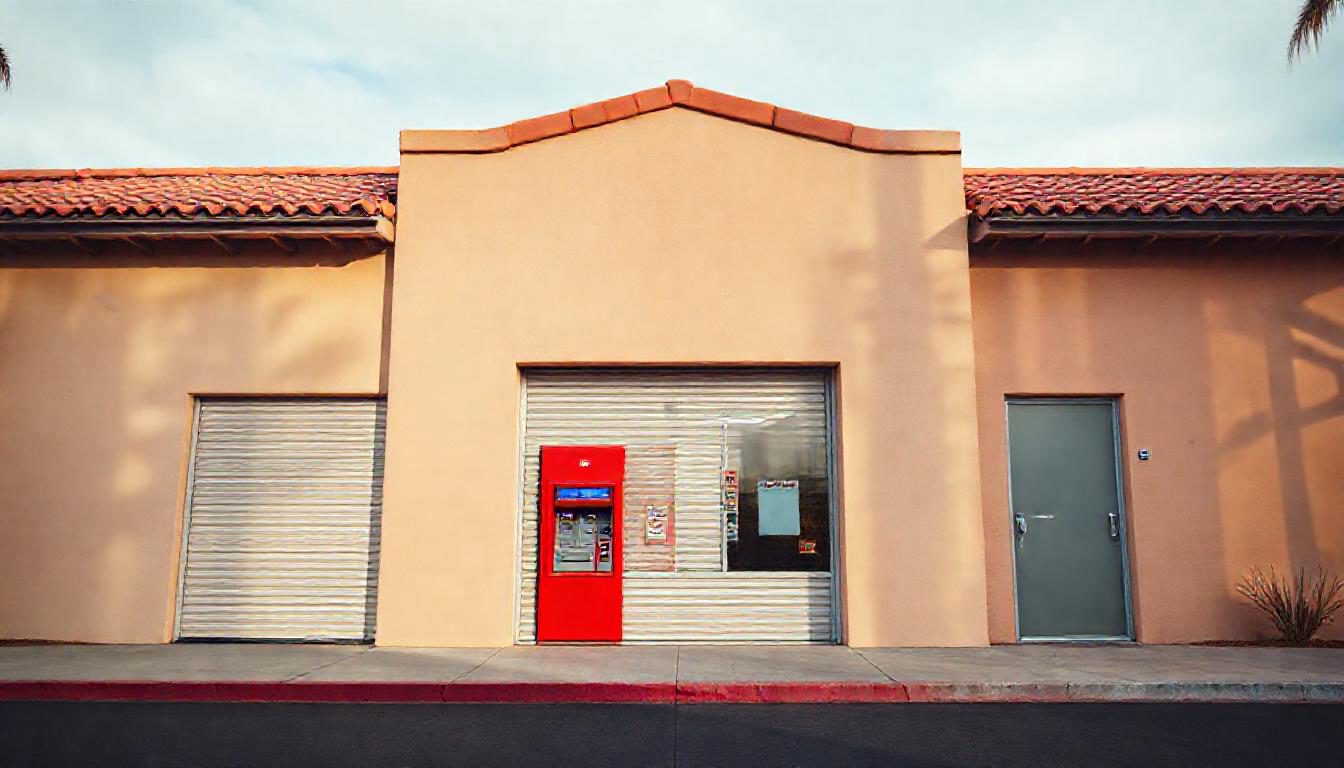
The steady erosion of physical banking infrastructure in the United States has reached a critical inflection point. As of September 2026, the trend of Bank Branch Consolidation is no longer a distant threat but a present operational reality for small and mid-sized enterprises (SMEs). Major regional banks and large national institutions continue to shutter locations, citing digital adoption rates that now exceed 85% for routine transactions. While this digital shift offers convenience for individual consumers, it imposes a distinct set of friction points on businesses that rely on cash-heavy operations, immediate SME banking liquidity access, and relationship-based credit underwriting. For American entrepreneurs, understanding the mechanics of this consolidation is essential to protecting cash flow and maintaining operational resilience in an increasingly digitized financial landscape.
The Hidden Costs of SME Banking Liquidity
The primary driver behind Bank Branch Consolidation is cost efficiency. Maintaining a physical footprint in the post-pandemic era is expensive, and banks are aggressively optimizing their real estate portfolios. However, for SMEs, the closure of a local branch is not merely an inconvenience; it is a liquidity event. Many small businesses, particularly in retail, hospitality, and construction, still handle significant volumes of physical cash and checks. While mobile deposit technology has improved, it introduces dependency on stable internet connectivity and device uptime, risks that physical counters do not carry in the same way.
Furthermore, the removal of local staff erodes the personal relationship that often serves as a crucial risk mitigant for lenders. In traditional commercial banking, a branch manager’s intuition and local market knowledge often provide context that algorithmic underwriting misses. When a business faces temporary downturns due to local economic shifts, such as a factory closure or a seasonal dip in tourism, digital platforms may automatically trigger covenant breaches or credit line reductions. Physical branches historically offered a buffer—a face-to-face conversation to negotiate temporary forbearance or restructure terms. Without that human intermediary, SMEs find themselves at the mercy of rigid automated systems, potentially turning manageable cash flow dips into solvency crises.
Impact on Cash-Intensive Industries
Certain sectors are disproportionately affected by the shift away from physical banking infrastructure. Restaurants, convenience stores, and construction firms operate with thin margins and high volumes of small-value transactions. For these businesses, the cost of banking is not just about fees; it is about time and operational efficiency.
Deposit Timing and Float Management
The timing of cash deposits directly impacts working capital. Historically, same-day availability at local branches helped managers optimize float. With branch closures, businesses must drive farther to deposit cash, losing billable hours. Alternatively, they may rely more heavily on armored car services, which have seen price hikes of 15-20% since 2024 due to labor shortages and fuel costs. These incremental expenses accumulate rapidly. For a mid-sized contractor managing payroll for 50 employees, a one-day delay in cash availability can mean missing a payroll run, triggering penalties and damaging employee trust.
The ATM and Check Scanning Bottleneck
While ATMs have evolved to accept deposits, limits on cash volume and check scanning capabilities remain restrictive for SMEs. A retail store closing out its day with $10,000 in mixed cash and large-denomination checks may find that local ATMs cannot process the deposit, forcing the business to visit a distant branch or risk holding large sums of cash on-site, a security liability. Insurance premiums for businesses holding cash overnight have risen in response to increased burglary risks associated with reduced branch security presence.
Read also: SMBC Nikko Failure: Impact on U.S. Tax-Advantaged Investing · I-Bonds vs TIPS: Choosing Your Fall 2026 Inflation Hedge
Credit Access and Relationship Banking Erosion
One of the most significant yet under-discussed consequences of Bank Branch Consolidation is the tightening of credit access for smaller firms. Large national banks and fintech lenders rely heavily on data analytics to assess risk. While this is efficient for standardized loans, it struggles with the nuanced realities of local businesses.
The Algorithm vs. The Underwriter
Fintech platforms and digital-only lenders often require perfect credit scores, consistent cash flow histories, and strong collateral. However, many viable SMEs have irregular cash flows due to seasonality or are in their third year of operation, where credit history is thin. A local branch banker could look at a restaurant owner’s potential, their lease agreement, and their community reputation to approve a working capital line. Digital underwriters cannot.
“The digital divide in banking is not just about access to apps; it is about access to judgment. Algorithms cannot truly assess character or local market dynamics.”
Regional Bank Retreat
As regional banks consolidate branches, they also consolidate their lending desks. This often leads to a geographic bias in lending, where capital flows away from rural or outlying suburban areas toward dense urban centers where digital infrastructure is more robust. Small businesses in these overlooked geographies face a credit freeze, forced to turn to expensive merchant cash advances or private lenders with double-digit interest rates.
How Will Digital Transformation Affect SME Banking Liquidity?
SMEs must adapt their operational models to survive the ongoing Bank Branch Consolidation. This requires a strategic shift from passive banking to active treasury management.
1. Diversify Banking Partnerships
No single bank should be the sole point of failure for cash flow. Businesses should maintain accounts with a large national bank for digital tools and a local credit union or community bank for relationship-based services. Credit unions, which are member-owned and often regionally focused, have been slower to close branches and more likely to retain local decision-making power for loans.
2. Optimize Cash Management Protocols
Businesses should implement strict cash handling policies to minimize deposit frequency and volume. This includes:
- Daily Reconciliation: Using cloud-based accounting software to track cash flow in real-time, reducing the need for physical verification.
- Electronic Payment Incentives: Offering discounts to customers who pay via ACH or digital wallets, reducing the volume of physical cash and checks.
- Scheduled Armored Car Picks: For businesses with high cash volumes, negotiating fixed-rate contracts with armored transport services can be more cost-effective than irregular deposits.
3. Invest in Connectivity Redundancy
Since mobile deposits rely on internet connectivity, businesses must ensure redundancy. This means having backup 5G hotspots or satellite internet options (such as Starlink) for remote locations to ensure deposits can be made even during local ISP outages.
Regulatory and Consumer Protection Implications
The Federal Deposit Insurance Corporation (FDIC) and the Consumer Financial Protection Bureau (CFPB) have begun scrutinizing the impact of branch closures on minority-owned and rural businesses. Recent estimates suggest that branch closures have disproportionately affected non-white communities, exacerbating existing inequalities in capital access.
The Community Reinvestment Act (CRA) Pressure
Banks are under increased pressure to demonstrate how they serve low- and moderate-income areas despite physical consolidation. This has led to some institutions investing in mobile banking units or pop-up branches in underserved areas. However, these are often limited in service capability compared to full-service branches. For investors, this regulatory risk is a factor to consider when evaluating regional bank stocks. Institutions that fail to adapt to CRA requirements while closing branches may face fines or restrictions on mergers.
SEC and Investor Considerations
Publicly traded banks are reporting higher digital engagement metrics but also higher customer support costs. Investors should look beyond headline efficiency ratios and examine the quality of their loan portfolios. A rapid drop in branch count combined with a spike in small business loan delinquencies may signal that the bank is losing the relationship-based underwriting edge, leading to poorer credit decisions.
Key Takeaways
- Bank Branch Consolidation is a liquidity risk for cash-heavy SMEs, causing delays in cash availability and increasing operational costs.
- Digital underwriting lacks the nuance of relationship banking, potentially cutting off credit access for seasonal or early-stage businesses.
- Businesses must diversify banking partners, combining national digital banks with local credit unions or community banks to balance convenience and relationship access.
- Operational adjustments are necessary, including incentivizing electronic payments, using armored car services strategically, and ensuring robust internet redundancy for mobile deposits.
- Regulatory scrutiny is increasing, particularly regarding the impact on minority and rural businesses, which may affect bank valuation and compliance costs.
For official data and guidance on this topic, see Federal Reserve.
FAQ
Does closing a bank branch affect my SME banking liquidity?
Indirectly, yes. If you rely on a local branch for emergency access to cash and face delays, you might miss payments or incur overdraft fees, which can be reported to commercial credit bureaus. Additionally, if your primary lender shifts to algorithmic underwriting, they may reduce your credit line based on data that doesn’t reflect your true operational health, impacting your debt-to-credit ratio.
Are credit unions better than banks for small businesses?
Credit unions often provide more favorable loan terms and retain more local influence over lending decisions. However, they may lack the sophisticated digital tools and nationwide ATM networks of large banks. A hybrid approach—using a credit union for loans and a national bank for payments—is often optimal.
How can I protect my business from cash flow disruptions due to branch closures?
Maintain a higher cash reserve or line of credit to cover potential delays in deposits. Process electronic payments immediately to avoid reliance on physical banking infrastructure. Regularly review banking contracts to understand fees for additional services like armored car pickups or expedited processing.
Will Bank Branch Consolidation stop in the future?
Likely not. The trend is driven by fundamental shifts in consumer behavior and technology costs. However, the pace may slow as banks realize the value of physical locations for high-touch commercial relationships. We may see a rise in “hybrid” branches with fewer tellers but more business bankers.




Comments (6)