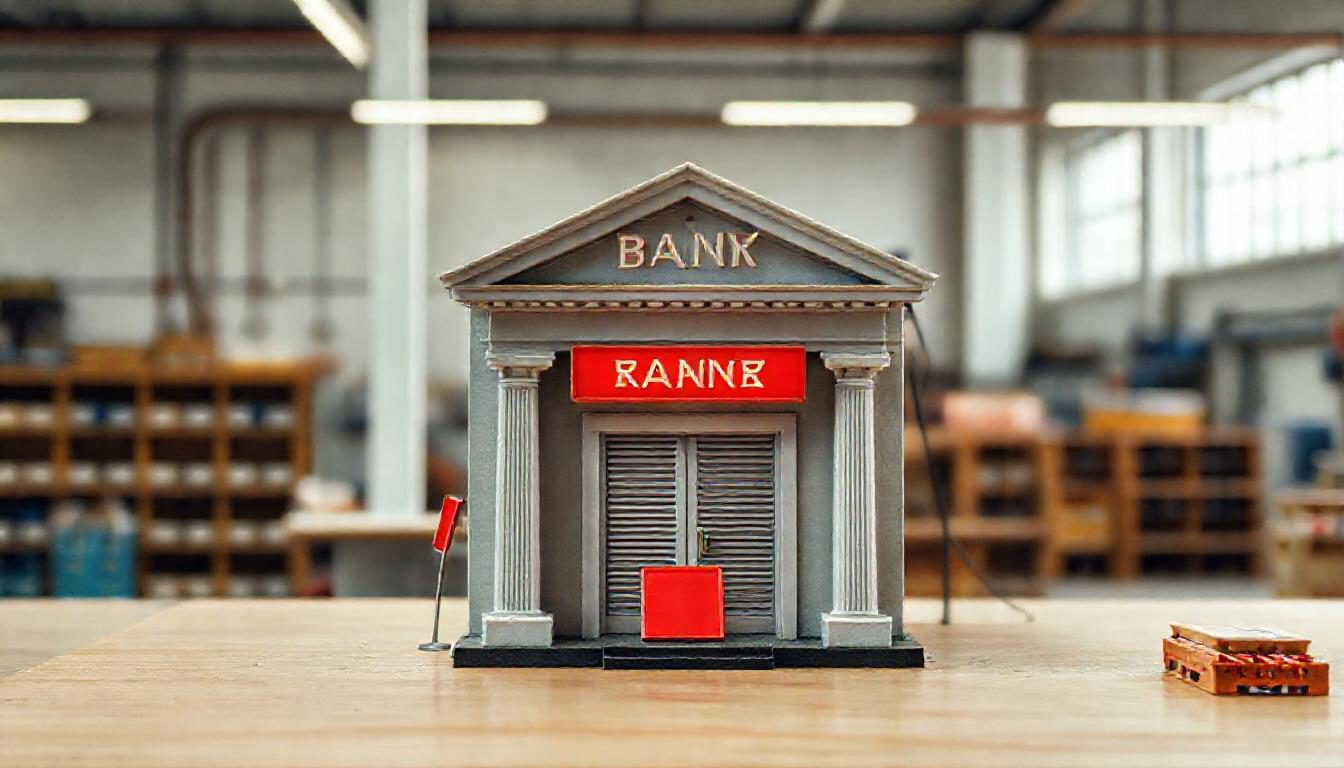
The accelerating pace of Bank Branch Closures 2026 is fundamentally altering the credit landscape for American small and medium enterprises. For decades, the local branch manager was the gatekeeper of capital for Main Street businesses, relying on relationship banking to assess risk beyond balance sheets. Today, that human element is being replaced by algorithmic underwriting and digital platforms, creating both opportunities and vulnerabilities for U.S. entrepreneurs.
Bank Branch Closures 2026: The Shift from Relationship to Algorithmic Lending
Regional and community banks have faced intense margin compression and operational costs, prompting a strategic retreat from physical locations. This consolidation is not just about cost-cutting; it reflects a broader industry pivot toward digital-first models. As branches disappear, so do the informal networks that often facilitated quick loan approvals for established local businesses.
In their place, fintech lenders and large national banks are deploying automated decision-making systems. These platforms prioritize speed and data density, analyzing tax returns, bank statements, and digital footprints in real time. While this increases accessibility for standardized small-business loans, it often disadvantages companies with complex, non-standardized financial histories.
Impact on Credit Availability
The absence of physical touchpoints has created a bifurcated market. On one end, tech-savvy SMEs with clean digital records access capital instantly. On the other, businesses requiring tailored advice or navigating credit distress find themselves locked out of traditional lending channels.
Key consequences for U.S. businesses include:
- Reduced Flexibility: Automated systems lack the discretion to waive minor covenant breaches or adjust terms based on local economic nuances.
- Geographic Redlining: Lenders may inadvertently tighten criteria in areas where branches have closed, reducing capital flow to specific zip codes.
- Higher Cost of Capital: With fewer local competitors, remaining digital lenders can command higher interest rates for niche borrowers.
Investor Implications and Strategic Adjustments
For investors and entrepreneurs, understanding Bank Branch Closures 2026 is critical to assessing risk. The banking sector’s shift toward efficiency may boost short-term margins for large institutions, but it raises long-term systemic concerns about liquidity for the small-business sector, which employs nearly half of the U.S. workforce.
“The vacuum left by traditional banks is being filled by data-driven lenders, but algorithms cannot yet replace the nuanced judgment of a local banker.”
Entrepreneurs must proactively manage their digital financial hygiene. Maintaining transparent, well-organized accounting records is no longer just a compliance issue; it is a prerequisite for credit access. Investors should monitor fintech firms that specialize in alternative underwriting for underserved SME segments, as these platforms are likely to capture market share left behind by consolidating regional banks.
For official data and guidance on this topic, see Bank for International Settlements.
Key Takeaways
- Bank Branch Closures 2026 are reducing relationship-based lending for U.S. SMEs.
- Fintech alternatives offer speed but often lack flexibility for complex credit situations.
- Entrepreneurs must optimize digital financial records to maintain access to capital.
- Investors should watch for consolidation risks and opportunities in alternative lending platforms.




Comments (7)