
The AI hardware market is undergoing a structural shift. While Nvidia’s GPUs dominate headlines, the ASIC growth forecast for 2026 suggests a quieter but more profound transformation: the rise of custom silicon economics in data centers. For U.S. investors and entrepreneurs, understanding this trend is critical for assessing long-term infrastructure costs and competitive moats.
The Efficiency Imperative
General-purpose GPUs are powerful but wasteful for specific AI workloads. They spend significant energy managing tasks they are not optimized for. In contrast, Application-Specific Integrated Circuits (ASICs) are hard-wired for particular functions, such as matrix multiplication in neural networks. This specialization yields higher performance per watt and lower latency. For hyperscalers like Amazon, Google, and Microsoft, the move to custom ASICs is not just a technical preference but an economic necessity. As training and inference costs scale, even marginal efficiency gains translate into billions in operational savings.
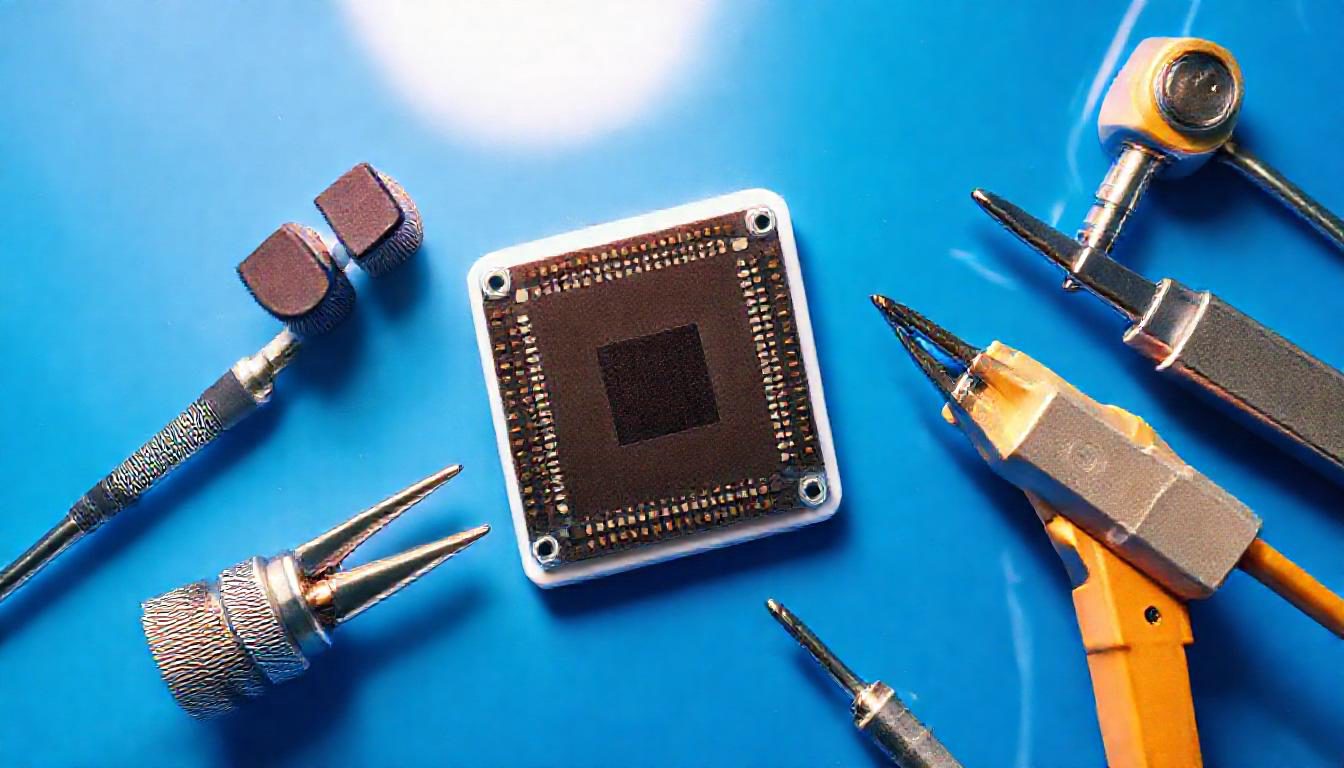
Custom Silicon Economics: Why 2026 Is the Inflection Point
The ASIC growth forecast for 2026 is driven by three converging factors:
- Maturity of Custom Chips: First-generation custom silicon (like Google’s TPU or Amazon’s Trainium) has reached performance parity with leading GPUs for specific workloads.
- Supply Chain Diversification: U.S. firms are actively reducing reliance on a single vendor for critical compute infrastructure.
- Software Ecosystem Integration: Major cloud providers have refined their proprietary software stacks to seamlessly support their own hardware, lowering the barrier to adoption.
This year marks the point where custom ASICs transition from experimental side-projects to core infrastructure components. The shift will likely accelerate in the coming quarters as more data centers deploy these chips at scale.
Read also: U.S. Chip Act Clause: What It Means for Investors · Data Center Hardware Selection: A Investing Guide for AI Workloads
Implications for Hardware Investors
The rise of ASICs complicates the traditional investment thesis in semiconductor stocks. Investors must look beyond broad AI exposure and analyze specific vendor relationships and technological roadmaps.
| Metric | GPU (General Purpose) | ASIC (Custom) |
|---|---|---|
| Flexibility | High | Low |
| Power Efficiency | Moderate | High |
| Initial Cost | Lower | Higher |
| Long-Term ROI | Dependent on utilization | Optimized for specific tasks |
For official data and guidance on this topic, see IEEE Spectrum.
Key Takeaways
- Custom silicon is gaining market share against general-purpose GPUs in hyperscale data centers.
- The ASIC growth forecast for 2026 highlights a shift toward custom silicon economics driven by efficiency.
- Investors should monitor the software ecosystems supporting custom chips, not just chip performance metrics.
- This trend may pressure broad-market semiconductor valuations while rewarding firms with specialized AI hardware partnerships.



Comments (2)