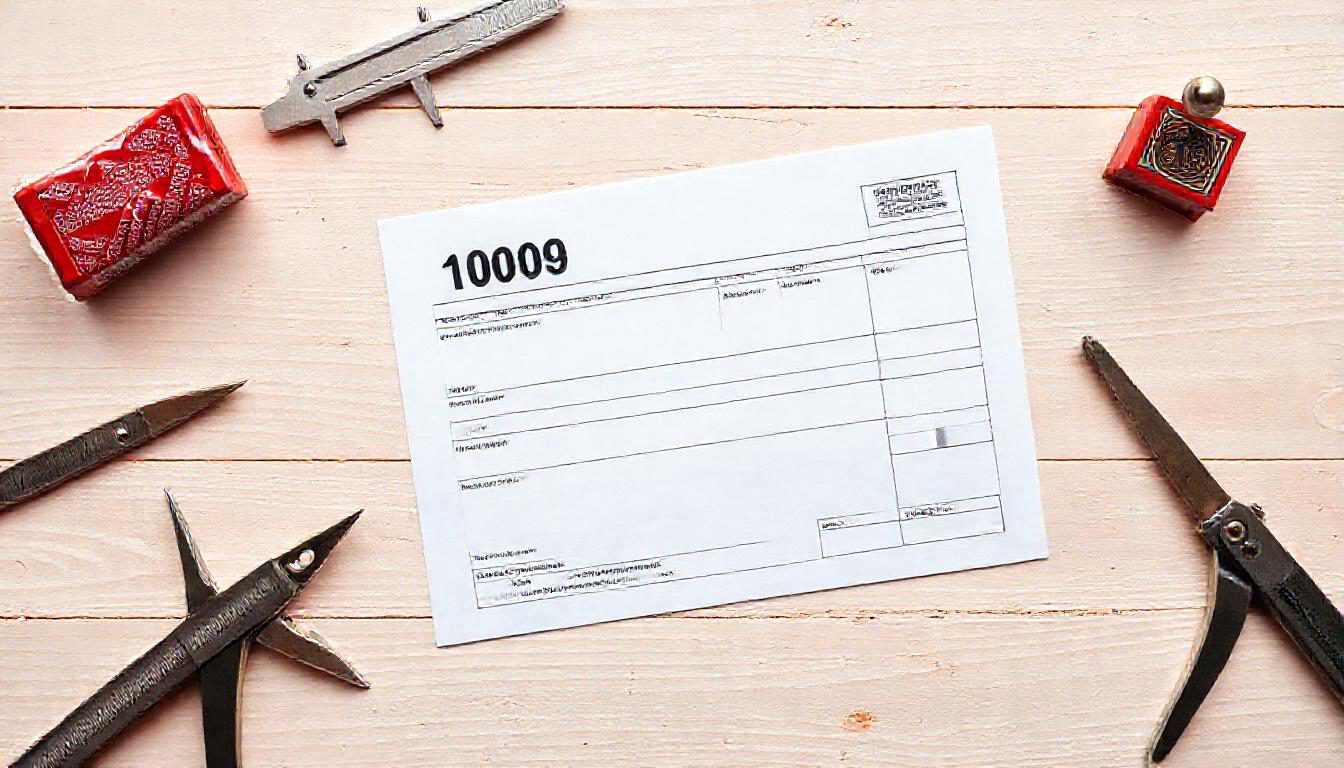
The 1099-WCA form is not just another tax document; it represents a fundamental shift in how the IRS views worker classification and income reporting. For small and medium-sized businesses (SMBs) heading into the fourth quarter of 2026, understanding this form is critical to avoiding severe financial penalties. The agency has tightened its focus on distinguishing between true independent contractors and misclassified employees, and the 1099-WCA form serves as the primary tool for reporting specific categories of income that previously fell into gray areas.
Why the 1099-WCA Form Matters Now
The 1099-WCA form targets payments made to individuals for services rendered but also flags transactions that suggest an employer-employee relationship. Unlike the standard 1099-NEC, which covers non-employee compensation, the 1099-WCA is designed to capture income from specific gig-economy and professional service arrangements that the IRS has identified as high-risk for misclassification.
For business owners, this means that simply paying a contractor is no longer enough. You must provide evidence that the worker is genuinely independent. The IRS uses the data from the 1099-WCA form to cross-reference with payroll filings, looking for discrepancies in control, financial risk, and the nature of the relationship.

Key Differences From Standard 1099s
Many entrepreneurs confuse the 1099-WCA form with other variants. The distinction is vital for accurate filing.
- Scope of Income: The 1099-WCA form specifically covers payments for professional services where the contractor uses their own tools and sets their own schedule, but the payment structure resembles a wage.
- Reporting Thresholds: While standard forms have consistent thresholds, the 1099-WCA form requires reporting for lower amounts in certain high-risk industries, such as logistics and digital consulting.
- Penalty Structure: Failure to file the 1099-WCA form accurately triggers fines that can escalate quickly, especially if the IRS determines that the omission was intentional to avoid payroll taxes.
How to Prepare for Q4 Filing
Heading into the final quarter of 2026, businesses should audit their contractor lists immediately. If you have issued any 1099-WCA forms in the past, ensure the data matches your internal records. Discrepancies often trigger automatic audits.
“The 1099-WCA form is a compliance test. If your records don’t match the worker’s actual behavior, you are at risk.”
Here is a practical checklist to ensure your business is ready:
- Review Contracts: Ensure every independent contractor agreement explicitly states the worker is not an employee and defines the project-based nature of the work.
- Verify Payment Methods: Direct deposits and paper checks are scrutinized more heavily than digital platform payments. Keep clear records of all transactions.
- Classify Correctly: Use the IRS Common Law rules to determine if a worker should be issued a 1099-WCA or a W-2. If you control how, when, and where the work is done, they are likely an employee.
- Use Tax Software: Specialized payroll software can help flag inconsistencies before you file the 1099-WCA form, reducing the risk of human error.
Read also: High-Yield Savings vs T-Bills: Best Fall 2026 Cash Strategy · Repo Market Stress 2026: Federal Reserve Impact
The Cost of Misclassification
Ignoring the nuances of the 1099-WCA form can be expensive. The IRS can retroactively classify workers as employees, requiring businesses to pay back taxes, interest, and penalties for every year the misclassification occurred. For a small business, this liability can be existential.
Furthermore, state tax authorities are increasingly coordinating with the IRS on these issues. If you file the 1099-WCA form incorrectly, you may face state-level fines as well. This dual exposure makes accurate reporting essential.
For official data and guidance on this topic, see Federal Reserve.
Key Takeaways
- The 1099-WCA form is a specialized document for high-risk contractor income.
- Misclassification can lead to significant back taxes and penalties from both federal and state authorities.
- Businesses must audit contractor relationships before filing to ensure alignment with IRS standards.
- Proper documentation and accurate classification are the best defenses against an audit in 2026.




Comments (7)